


10 Smart Questions to Ask at a Natural Remedies Store

10 Smart Questions to Ask at a Natural Remedies Store (and What the Answers Reveal)
Visiting a natural remedies store can be both exciting and overwhelming, especially if you're interested in plant-based, organic, or clean supplements. With shelves lined with various herbs, extracts, and wellness products, knowing the right questions to ask empowers you to make confident decisions based on quality, sourcing, and transparency. Even if you're new to this world or simply eager to learn more, arming yourself with the right questions helps you evaluate options—no health promises needed.
Below, discover the ten essential questions every shopper should consider asking at a natural remedies store, along with guidance on what the answers might really reveal about the products you’re considering.
1. Where Are Your Herbs and Ingredients Sourced From?
Sourcing is at the heart of any quality natural remedy. Asking this question helps you understand the origins of the plants and ingredients on the shelves.
What the Answers Reveal:
- Transparent responses that specify countries, regions, or even farms suggest the store values traceability and may deal with ethical growers.
- If staff mention "multiple sources" or are vague, ask if they can provide specifics for particular products—you may learn that some brands are more forthcoming than others.
- Local or regionally grown herbs are often fresher and harvested with more control over quality. If you're searching for top-quality, ethically sourced options, consider herbal blends like the Sea Moss - Raw Dried from St Lucia - 8oz Bag - Nature's MultiVitamins that highlight origin and purity.
2. Can You Explain How These Products Are Processed or Manufactured?
Processing methods can significantly impact the quality and nutrient content of herbal supplements and remedies.
What the Answers Reveal:
- Answers referencing cold-pressed, freeze-dried, or gently dried methods usually indicate efforts to retain the plant’s natural properties.
- If staff describe heat-intensive or chemical-heavy processing, you may want to explore other options.
- In-house knowledge of third-party manufacturing shows transparency and a commitment to educating customers. Among the products to look for, cold-pressed oils such as the Black Seed Oil 8oz - Cold-Pressed Liquid - Immunity & Wellness offer insight into quality processing.
3. What Types of Certifications or Quality Seals Should I Look For?
Certifications signal products have met certain quality, sourcing, or safety standards.
What the Answers Reveal:
- References to USDA Organic, Non-GMO Project Verified, or Fair Trade indicate adherence to recognized, often more stringent guidelines. When browsing supplements, opt for organic options like Soursop Leaf Graviola Extract - - Organic 15X Liquid Extract - Cell Renew & Immunity when you prioritize certification.
- Seals like Kosher, Vegan, or Gluten-Free may also matter depending on dietary needs.
- Staff who can clearly explain certification processes show both product knowledge and a dedication to consumer choice.
4. How Do You Ensure Product Freshness?
Freshness influences both the safety and the appeal of plant-based supplements.
What the Answers Reveal:
- If staff discuss harvest-to-shelf timelines, batch rotation, or best by dates, these are positive indicators.
- Mention of storage conditions—such as climate control or reduced light exposure—shows a commitment to preserving product quality.
- It's also helpful to ask if the store returns unsold products after a certain timeframe, which can be a mark of high standards. Certain teas, including Soursop Leaf Tea Graviola Leaves - Organic 24/2g Tea Bags - Immunity & Cell Renew, often emphasize freshness with clear best-by information.
5. Are Your Products Tested by Independent Labs?
Independent, third-party lab testing is a cornerstone of supplement transparency and integrity.
What the Answers Reveal:
- An eager “yes,” ideally backed up by Certificates of Analysis (COAs) or lab reports (even available upon request), boosts confidence in product content and purity.
- If testing is performed only in-house or occasionally, this could suggest less rigorous oversight than consistent, accredited third-party testing.
- Questions about testing for heavy metals, pesticides, solvents, and potency can further clarify the brand’s safety standards. Capsules like Blood Platelet Plus - 60/600mg 20X Strength Capsule - Platelet Boost are often supported by robust third-party testing.

6. What Forms of Products Are Available, and How Do They Differ?
Herbal remedies and supplements come in various forms: capsules, teas, tinctures, powders, and more. Understanding the differences helps meet individual preferences.
What the Answers Reveal:
- Informed answers regarding bioavailability, ease of use, or storage can guide you toward a form that best fits your lifestyle. Trying out capsule-based support, such as Papaya Leaf Extract 10X - 600mg Capsule - Platelet & Digestive Aid, helps you identify which format aligns with your needs.
- If certain forms (like liquid extracts or powders) are suggested for higher concentration or versatility, ask for details. Consider Papaya Leaf Extract - - Organic 16oz 15X Liquid Extract for liquids that offer flexibility.
- Transparency around ingredient lists, fillers, or excipients is a sign of a trustworthy establishment.
7. How Should I Interpret the Supplement Facts or Nutrition Labels?
Labels can be confusing, especially if you’re not used to reviewing them.
What the Answers Reveal:
- Staff who volunteer to walk you through serving sizes, ingredient concentrations, or non-active ingredients demonstrate educational commitment. Product lines like Graviola Soursop Leaf Extract – 10X 60/600mg Capsules - Cell Renew & Immunity offer detailed panels and ingredient transparency.
- Learning about common terms (such as “proprietary blend,” “extract ratio,” or “standardized to…”) helps you understand what’s actually in the bottle.
- If a staff member can’t interpret label information or recommends you contact the manufacturer, consider using supplemental research.

8. What Is Your Product Rotation Policy?
Product rotation refers to how often store inventory is updated and replaced.
What the Answers Reveal:
- A policy of rotating products regularly and pulling items close to or past their “best by” dates ensures you’re buying fresh goods.
- Stores that seldom rotate may have older stock that lacks optimal potency or aroma. You might spot the benefits of product rotation on perishable blends like Papaya Leaf Tea - Organic 24/2g Tea Bags.
- Asking to see a “fresh batch” or the date code is always an option.
9. Can I See Documentation or Batch Numbers for Specific Products?
Batch numbers and documentation point to traceability, which is essential for both safety and quality assurance.
What the Answers Reveal:
- Willingness to share batch numbers allows you to trace a product’s origin, manufacturing date, and quality checks. Supplements like Papaya Leaf Extract Blood Support - 10X 60/450mg Capsules - Blood Platelet often provide batch and test information for safety.
- Documentation like COAs or sourcing information demonstrates a rigorous quality control protocol.
- Reluctance or inability to produce documentation could be a red flag for discerning shoppers.
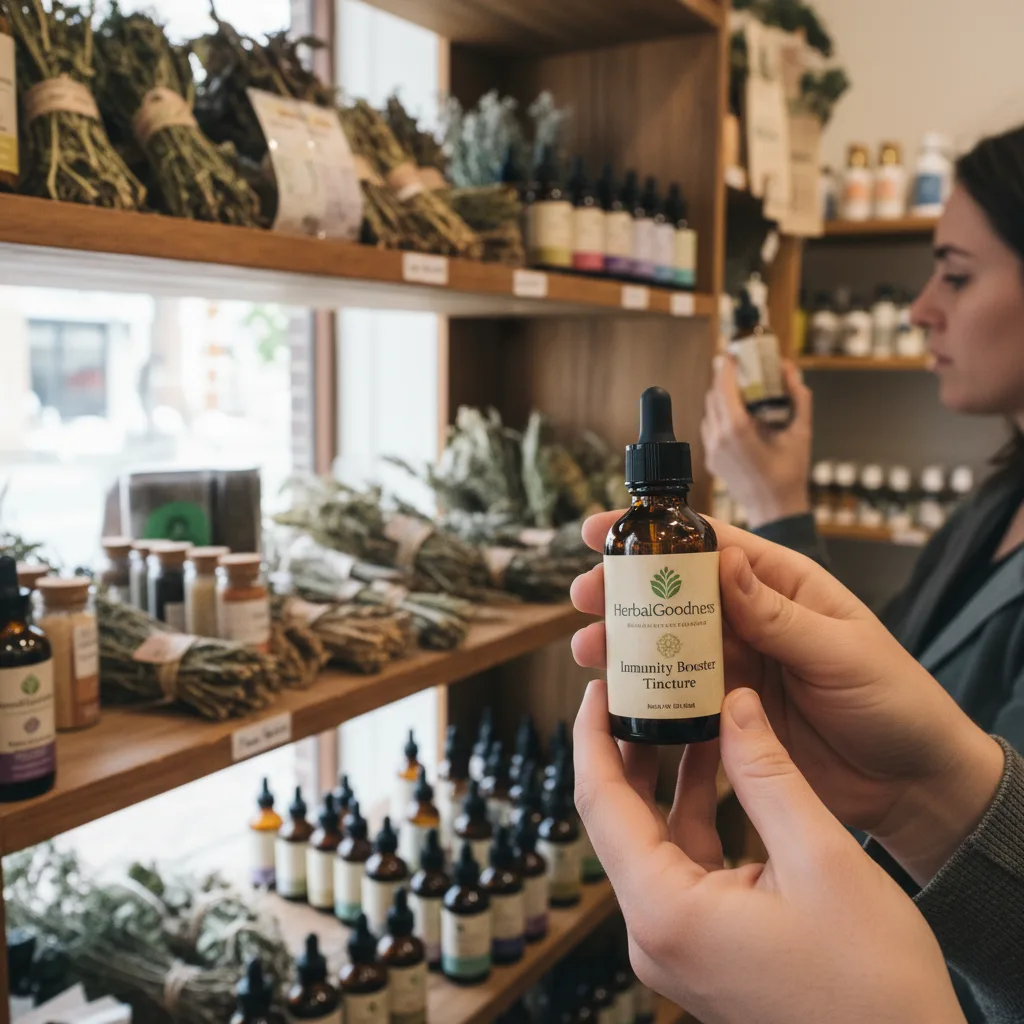
10. How Are Products Stored and Handled Before Display?
Storage and handling directly affect the shelf life and quality of natural remedies.
What the Answers Reveal:
- Details about temperature controls, humidity protection, or sealed storage mean the store prioritizes maintaining potency and freshness.
- If staff mention they follow manufacturer or regulatory storage recommendations, this suggests trustworthy practices.
- Open bins or unsealed products are less likely to retain their intended quality—pay attention to packaging integrity. Loose herbs, such as Bulk Herbs & Roots - Organic 4oz Bags - Herbal Tea, often require careful handling.
Interpreting Staff Responses: Key Takeaways
Navigating answers to these questions isn’t about quizzing store staff—it’s about seeking transparency, understanding sourcing and manufacturing choices, and prioritizing quality and freshness. Here’s what to watch for:
- Clarity and Detail: Staff who give clear, in-depth answers likely represent brands and products with traceable, transparent backgrounds.
- Documentation: Willingness to share details (as permitted) or provide supporting literature is a strong trust indicator. Capsules from lines like Blood Platelet Plus - 60/600mg 20X Strength Capsule - Platelet Boost often come with supportive data.
- Education Over Hype: Good answers should educate rather than make overblown promises. Staff should be able to explain differences or reasons behind quality standards without making medical claims.
- Openness to Questions: Welcoming conversations about these topics means the store values informed customers and quality above all else.
Building Confidence as a Natural Remedies Shopper
Shoppers seeking plant-based, organic, or clean supplements are right to approach their purchases with curiosity and high standards. Here are some habits to help you make the most of your store visits:
- Keep a notepad or memo app handy—jot down answers for reference or further research.
- Don’t hesitate to branch out: Explore new brands or product forms mentioned by well-informed staff. For experimentation, liquid forms such as Papaya Leaf Extract - Organic 1oz 15X Liquid - Blood Platelet give shoppers more versatility.
- Be polite yet persistent, especially when clarity can help inform your decision.
- Trust your instincts—if something doesn’t feel right, it’s okay to keep looking.
Empower Yourself With Knowledge
Asking questions is a cornerstone of becoming an empowered participant in your own wellness journey. Not only do you gather useful information, but you help raise the bar for quality and transparency in the world of natural remedies.
References
- National Center for Complementary and Integrative Health – How to Find Quality Herbal Supplements
- Consumer Reports: How to Choose Safe Supplements
FAQs:
- Why should I care about where herbs are sourced?
Knowing the origin of herbs helps ensure they are grown in environments with responsible practices and quality control. Region-specific sourcing can also influence the plant’s quality due to soil and climate conditions.
- What are the benefits of third-party lab testing for herbal supplements?
Third-party lab testing is valued for confirming a product’s composition and purity. It often checks for unwanted substances and verifies that the supplement contains what it claims.
- How do certifications like USDA Organic impact supplement choice?
USDA Organic and similar certifications reflect adherence to strict standards, including organic farming and limited use of synthetic additives, which appeals to those valuing clean ingredient sourcing.
- Is one product form (capsules, powders, liquids) better than another?
Preferences vary. Different forms offer unique benefits: capsules are convenient, liquids may absorb more quickly, and powders provide versatility. Ask staff for details to match your needs.
- How can I tell if a store practices good product rotation and freshness?
Stores with clear policies for batch rotation and willing to show manufacture or expiration dates typically maintain fresher stock, supporting a better product experience.
- What does a batch number mean, and why does it matter?
A batch number tracks a product's manufacturing run, providing accountability and the ability to trace quality checks, sourcing, and freshness. It's a mark of transparency and quality assurance.
- What should I do if staff can’t answer my questions?
Use the opportunity for your own research or consider brands that offer more accessible information. Informed, transparent answers are a key part of choosing high-quality natural products.
Author Name:
Herbal Goodness Editorial Team
Author Bio:
The Herbal Goodness Editorial Team specializes in holistic health and superfoods, blending science and nature to educate and empower our community.
References:
Introducing Graviola to Young Taste Buds: Fun, Family-Friendly Flavor Exploration
Graviola in the Classroom and at Home: Creative Activities to Teach Kids About Tropical Plants
Why Social Impact Matters in Plant-Based Wellness