


Angelica Root: Where to Find It, Sourcing, Forms & Smart Shopping Tips

Angelica root has captivated herbal enthusiasts for centuries, cherished for its aromatic, earthy qualities and its presence in both Western and Eastern botanicals. Whether you’ve just heard about angelica root—sometimes called garden angelica, dong quai, or by its botanical names Angelica archangelica and Angelica sinensis—or you’re beginning your own herbal exploration, knowing where to find this root and how to evaluate your options is foundational. This guide dives into exactly where angelica root is available, what forms you’re likely to encounter, and how to shop confidently and responsibly.
Understanding Angelica Root: Common Names and Types
Angelica root isn’t a single, universal plant. The term refers most often to two species:
- Angelica archangelica: Known as European or garden angelica, prominent in Western herbal traditions and culinary uses.
- Angelica sinensis: Commonly known as dong quai, revered in traditional Asian herbalism, most notably from China.
Both species produce robust, aromatic roots, but their flavor, applications, and sourcing patterns can differ. When shopping, recognizing these botanical names helps ensure you’re selecting the right plant for your intended use.
Where to Find Angelica Root: Top Sources for Beginners
Navigating your first purchase or trying to locate a trusted source for angelica root? Here are some of the most reliable places to search, based on accessibility and variety.
1. Herbal Apothecaries and Specialty Herb Shops
Many towns and cities feature herbal apothecaries—retailers focused on curated plant selections. Angelica root is a classic offering, especially in dried or powdered forms. These shops often provide:
- Bulk root slices and powders
- Herbal blends containing angelica
- Educational materials about each plant
Staff often have deep herbal knowledge and welcome questions, making them ideal for beginners.
2. Asian Markets and Grocers
For Angelica sinensis (dong quai), Asian grocery stores—especially those specializing in Chinese, Korean, or Japanese foods—are a common resource. Here, you’re likely to find:
- Dried whole root or sliced sections
- Herbal ingredient packets used for broths or teas
Look for clearly labeled products, and don’t hesitate to ask for assistance if you’re unsure about the labeling or correct species.
3. Farmers’ Markets and Local Growers
In some regions, especially those with a strong herbal or sustainable agriculture culture, local farmers and herbalists may offer angelica root—either fresh (during harvest) or dried. Shopping locally can provide:
- Direct connection to growers
- Transparency about cultivation practices
- Smaller, fresher batches
If you opt for local markets, ask which species they grow and request information about when the root was harvested.
4. Online Specialty Retailers and Marketplaces
Online shopping opens global access to angelica root in nearly every imaginable form. Common online sources include:
- Herbal specialty websites specializing in single-ingredient botanicals
- Larger e-commerce platforms—look for established herbal brands
- International retailers for less-common forms or rare species
When shopping online, reviewing customer feedback and seeking out transparent sourcing statements can help you make more confident choices.
Forms of Angelica Root Available to Shoppers
Angelica root appears in several distinctive forms, each suited for different uses and preferences. When you’re browsing herb shops or online listings, you’re likely to find:
Dried Root Slices
One of the most traditional presentations, dried root slices preserve the root in its most natural state. These are ideal for homemade teas, decoctions, and infusions. The unique aroma and character of angelica root are prominent in this form.
Powder
Ground angelica root powder is versatile––it can be added to blends, encapsulated at home, or used directly in teas. This format offers convenience, though the aroma may be slightly less intense than fresh or sliced root.
Tinctures and Liquid Extracts
Angelica root tinctures and extracts offer a concentrated, easy-to-dose alternative to dried herb. While specific measurement guidance is often suggested, always check usage instructions and consult knowledgeable practitioners for traditional preparation tips.
Pre-blended Teas
Some herbal tea blends feature angelica root as a supportive note, often combined with other botanicals. If you prefer exploring new herbs alongside familiar flavors, this form offers a gentle introduction.
Capsules
Capsulized angelica root, either alone or as part of a blend, offers measured amounts for consistency and easy travel. Always check which species is encapsulated and review any other ingredients.

Smart Shopping: How to Read Angelica Root Labels
For newcomers, product labels can feel overwhelming—but they’re key to making informed, confident purchases. As you explore different angelica root options, consider these essential label elements:
1. Botanical Name (Species)
Always look for the Latin name—Angelica archangelica or Angelica sinensis. This detail ensures you know exactly which plant you’re getting and its cultural context.
2. Plant Part Used
Labels should indicate whether the product contains root (preferred), leaf, or other plant parts. The traditional focus for most uses is the root.
3. Country of Origin
Knowing where your angelica root comes from can offer insight into cultivation practices and freshness. Roots from regions with strong herbal traditions may have nuanced aromas and appearances.
4. Organic or Sustainability Certifications
Many reputable suppliers mark products as organic or sustainably sourced. Certifications symbolize commitment to quality and environmental stewardship.
5. Batch Codes and Traceability
Well-labeled products often include batch numbers or harvest dates, which support quality assurance and let you trace sourcing should you have questions.
What to Ask When Exploring Angelica Root for the First Time
Being new to a botanical doesn’t mean navigating blindly. Here are several questions you might pose to sellers—online or in person—to ensure thoughtful shopping:
- Which species is this (archangelica or sinensis)?
- Is the root wild-harvested or farm-cultivated?
- When was it harvested, and how was it stored?
- Do you have organic or sustainability certifications?
- What is the best way to prepare or use this form?
Good retailers are delighted to help beginners and often provide sample sizes or educational resources to support your exploration.

Responsible Sourcing: Quality and Sustainability Considerations
The popularity of angelica root has prompted increased cultivation, but with its slow growth and unique habitat needs, quality and sustainability matter. Here’s what responsible shoppers should keep in mind:
- Avoid purchasing wild-harvested root unless it’s from a certified, sustainable source.
- Ask about the farm’s ecological practices—ideally, look for regenerative or organic certification.
- Prioritize transparent brands that disclose sourcing locations and harvest methods.
- Choose forms that minimize waste, such as bulk packaging or recyclable containers.
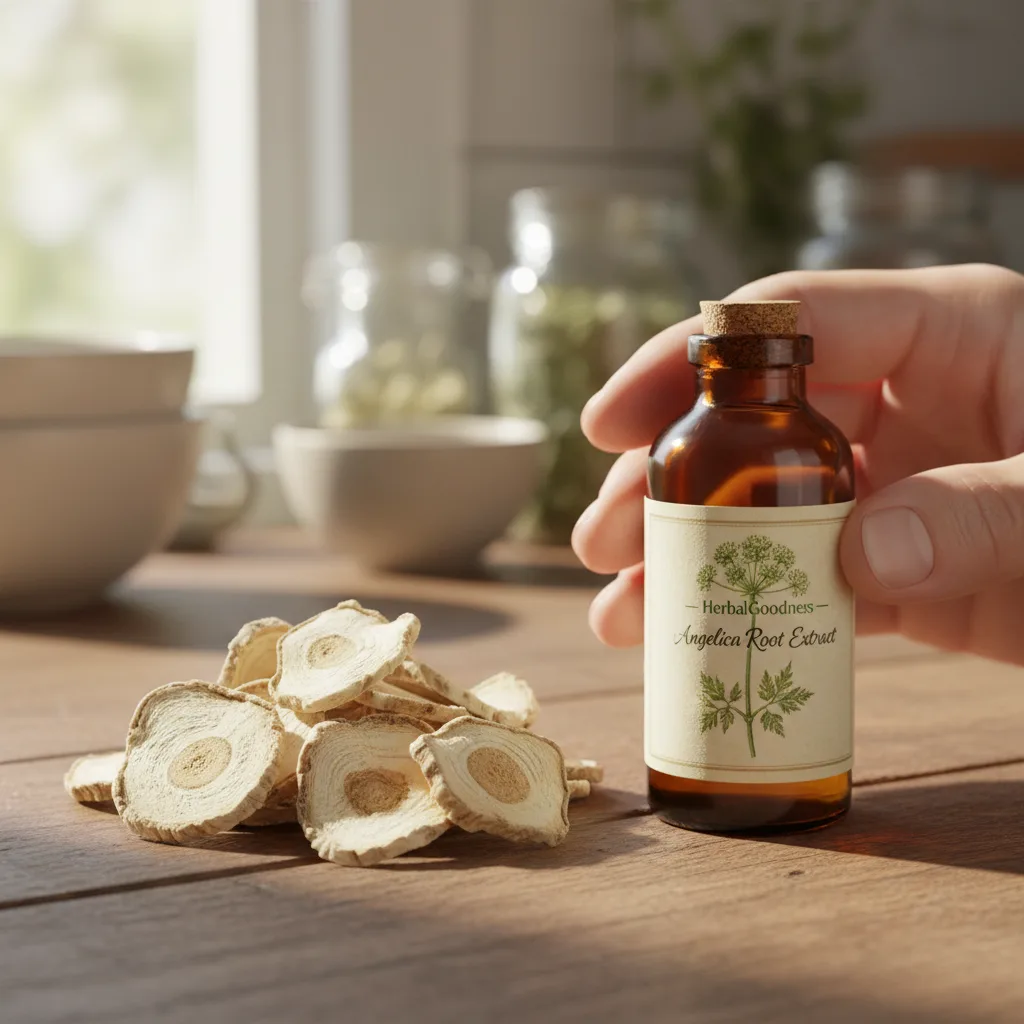
When available, selecting locally grown or regionally sourced angelica root reduces transportation impact and supports community herb growers.
Navigating Angelica Root Shopping Online vs. In-Person
Each shopping medium offers advantages and unique considerations:
In Person
- Immediate sensory experience—evaluate aroma, color, condition
- Direct consultation with knowledgeable sellers
- Potential access to freshly harvested or locally grown root
Online
- Wider selection, including global varieties and rare forms
- Ability to research brands and read customer testimonials
- Convenience of direct-to-door delivery
Wherever you shop, a careful approach—checking botanical names, reading detailed labels, and asking the right questions—sets the foundation for a positive and informed angelica root experience.
Summing Up: Angelica Root Shopping with Confidence
Finding and selecting angelica root doesn’t need to be daunting. By understanding its common botanical names, where it’s typically sourced, the variety of available forms, and how to interpret labels with care, you can embark on your herbal journey thoughtfully. Remember, every step—whether asking a local herbalist about harvest dates or reading an online supplier’s sustainability statement—contributes to your knowledge and appreciation of this time-honored botanical.
FAQs:
- What is the difference between Angelica archangelica and Angelica sinensis?
Angelica archangelica, also called garden angelica, is rooted in European herbal traditions, while Angelica sinensis, often known as dong quai, is prominent in Asian herbal heritage. Both have aromatic roots but may differ in flavor and traditional applications.
- How do I know which angelica root species I am buying?
Check the product label for the Latin botanical name—Angelica archangelica for European origin or Angelica sinensis for Asian. Reputable sellers always specify the exact species.
- What are the most common forms of angelica root available?
You can typically find angelica root as dried root slices, powder, tinctures, teas, and encapsulated forms. Each form offers a unique way to experience the botanical’s characteristics.
- Are there sustainable options for buying angelica root?
Yes, look for products verified as organically grown or sustainably sourced. Ask about harvesting and cultivation practices, and support brands with transparent sourcing and sustainability efforts.
- What should I look for on angelica root product labels?
Pay attention to the species (Latin name), plant part used, country of origin, certifications (organic or sustainability), and informative batch codes or harvest dates.
- Is it better to buy angelica root in person or online?
Both have advantages: in-person shopping lets you assess product quality firsthand, while online shopping provides greater variety and easy access to brand details. Choose the method that fits your learning style and preferences.
Author Name:
Herbal Goodness Editorial Team
Author Bio:
The Herbal Goodness Editorial Team specializes in holistic health and superfoods, blending science and nature to educate and empower our community.
References:
Angelica Root: Advances in Research and Applications – ScienceDirect
Herbs at a Glance: Dong Quai – National Center for Complementary and Integrative Health