


Bulk Herbal Tea Sourcing: Understanding COAs Before You Buy

Bulk herbal tea sourcing is at the heart of every quality-focused café, natural wellness shop, and artisanal tea maker’s supply chain. Today's market puts a premium on transparency and safety—making lab test interpretation a critical consideration for buyers. As more suppliers present Certificates of Analysis (COAs) filled with data on pesticides, residues, heavy metals, mycotoxins, and microbial counts, understanding what these results mean is no longer the domain of scientists or large food manufacturers. It is an essential skill for every thoughtful bulk herbal tea buyer. In this approachable guide, you'll gain clarity on how to demystify common lab tests, which results impact your use case, and what practical questions help you source safer, higher-quality teas with confidence.
Why Lab Testing is Essential in Bulk Herbal Tea Buying
Lab testing serves as an objective lens through which buyers assess the safety, purity, and suitability of herbal teas. Bulk ingredients—sourced globally, often from diverse agricultural systems—can introduce unwanted residues or contaminants that may affect safety and compliance. For cafés, specialty retailers, or makers serving local customers, reliable lab testing helps:
- Ensure products meet internal quality standards
- Respond to regulatory requirements
- Build consumer trust through transparency
Understanding what laboratory results cover helps prevent surprises and supports clear communication with your suppliers about your expectations. Products such as Bulk Loose Leaf Teas & Tisanes - Organic 4oz - Herbal Wellness Teas benefit from this level of scrutiny, as transparent sourcing is key for bulk buyers.
If you're looking for a trusted supplier of organic herbal teas backed by quality documentation and transparent sourcing practices, apply to become a Herbal Goodness wholesaler. Our wholesale program gives retailers, cafés, wellness practitioners, and distributors access to premium herbal teas and dependable wholesale support.
The Big Three: What Lab Tests Should You Expect?
Most COAs for bulk herbal tea will cover these primary safety areas:
- Pesticide Panels
- Heavy Metal Screens
- Microbial & Mycotoxin Testing
Let’s break down each category, so you know what to look for on a typical report—and why it matters for your end product.
1. Pesticide Residue Panels: What Do They Cover?
Pesticide residue testing evaluates whether herbal teas bear traces of common agricultural chemicals. Standard panels screen for dozens, sometimes hundreds, of pesticides and their metabolites. Results are typically given in parts per million (ppm) or parts per billion (ppb), and compared to local or international maximum residue limits (MRLs).
What matters for buyers:
- Results should show "ND" (not detected) or levels well below established MRLs for all tested substances.
- For organic or all-natural teas, expect either no residues or levels compliant with organic certification standards.
- Pay attention to the list of pesticides included in the panel—it should reflect relevant regional regulations (e.g., U.S. EPA, EU standards).
Products like Soursop Leaf Tea | Organic Graviola 24 Bags | Soursop Tea Benefits for Immunity & Wellness and Organic Papaya Leaf Tea | 24 Premium Bags – Caffeine-Free often undergo such stringent pesticide screenings to meet the standards of wellness-focused consumers.
Practical tips:
- If a result is “Detected” but below regulatory limits, consider your audience’s preferences—many natural wellness customers expect zero or near-zero residues.
- Ask suppliers whether their test panel covers all substances restricted or prohibited in your region.
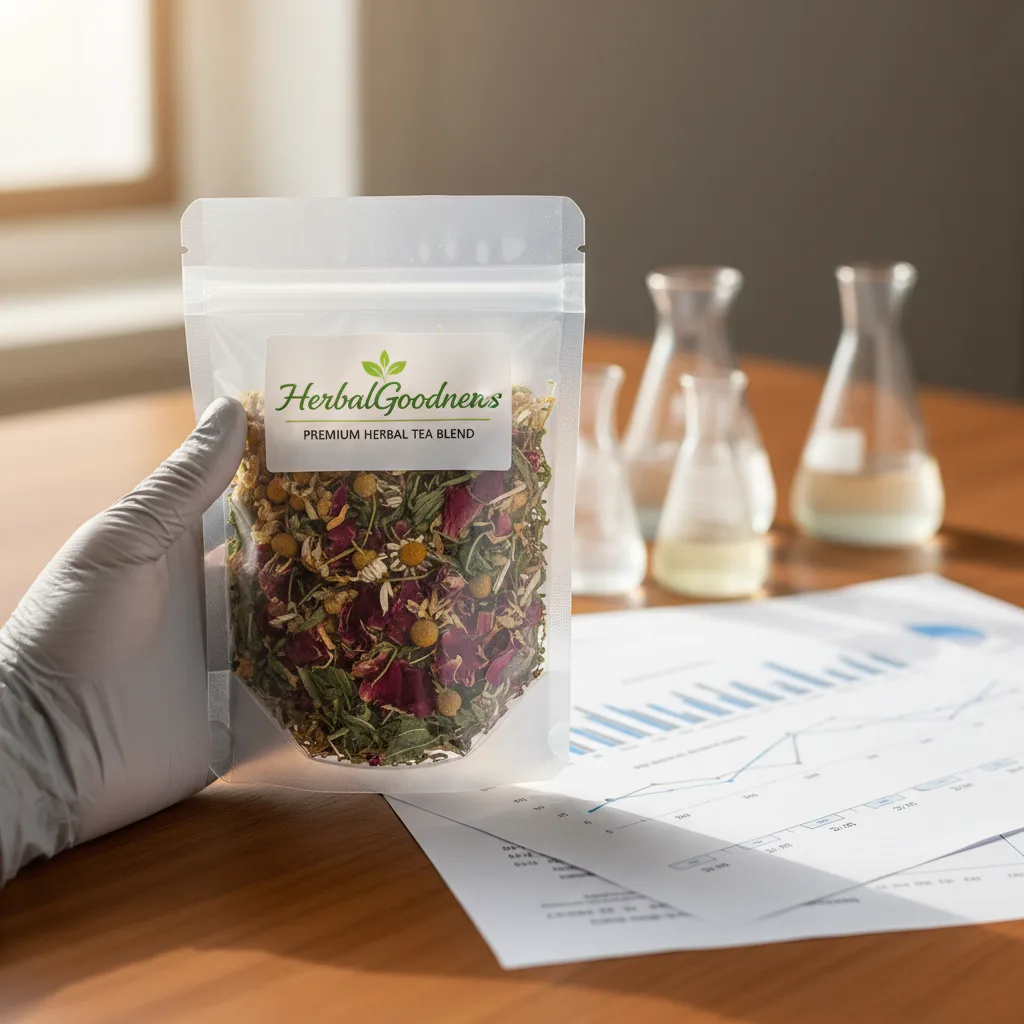
2. Heavy Metal Screening: Which Metals Matter Most?
Heavy metals may exist in soil or accumulate due to polluted water, agrochemicals, or processing equipment. Key metals of concern for bulk teas include:
- Lead (Pb)
- Arsenic (As)
- Cadmium (Cd)
- Mercury (Hg)
Results are typically presented in ppm or mg/kg. Regulatory bodies such as the U.S. FDA or European Pharmacopoeia set permissible limits for these metals in food and herbal products.
What matters for buyers:
- Lead levels are most frequently scrutinized. Acceptable upper limits vary by country (e.g., the U.S. limit for lead in certain herbal teas is typically 2 ppm or less).
- Cadmium, arsenic, and mercury should also be well below regulatory thresholds.
- Results near or above limits warrant discussion with the supplier, especially if you’re making teas for young children or pregnant clients.
Teas such as Guava Leaf Tea Organic 24 Bags | Immunity & Gut Wellness – Caffeine-Free have their heavy metal content routinely checked and reported to ensure customer safety.
Practical tips:
- Inquire about routine testing frequency: Has the batch been tested, or is this a generic COA from historical data?
- Ask about source traceability if levels are borderline.
3. Microbial and Mycotoxin Testing: Understanding Cleanliness and Storage Risks
Herbal teas are agricultural products prone to naturally occurring microbes and—under poor storage conditions—potential fungal toxins (mycotoxins). The two main types of lab tests in this category are:
A. Microbial Counts
- Total Plate Count (TPC)
- Yeast & Mold Count
- Coliforms or Escherichia coli (E. coli)
- Salmonella (pathogenic bacteria: typically tested as “not detected”)
B. Mycotoxin Panels
- Aflatoxins (B1, B2, G1, G2)
- Ochratoxin A
These results indicate product cleanliness, processing hygiene, and how safely the material was dried and stored.
What matters for buyers:
- TPC, yeast, and mold counts should fall within food safety guidelines. Absence or non-detectable levels of pathogenic bacteria is expected.
- Mycotoxins should be “not detected” or below regulatory or pharmacopeial limits.
- Higher-than-guideline microbial numbers don’t always indicate danger, but suggest a need for improved handling or sourcing.
Practical tips:
- Ask suppliers how they control and monitor microbial risks during harvesting, drying, and storage.
- Investigate whether the test is for the finished product or raw material.
How to Read a Typical Bulk Herbal Tea COA (Certificate of Analysis)
Understanding a COA starts with examining these crucial data points:
- Batch Identification: Confirm lot numbers match your shipment.
- Test Date & Laboratory: Recent tests conducted by certified labs offer more reliable assurances.
- Substances Tested: Does the panel match the regulatory and safety standards in your region?
- Result Interpretation: Compare results against local maximum limits or organic/food safety requirements.
If you spot “ND” (not detected) or “<LOQ” (below limit of quantification), this generally indicates a result at or below the test’s sensitivity threshold—and so is typically compliant. Bulk buyers often look for comprehensive documentation for Bulk Herbs & Roots Online for Tea, Tinctures & DIY Wellness - Organic 4oz Bags to maintain the integrity of their ingredient sourcing.
Matching Test Results to Your Use Case
Not every café, retailer, or maker has identical standards, but matching test outcomes to your intended use helps:
Are You Blending and Serving Directly?
- Prioritize: Microbial/mycotoxin tests (to ensure food-safe handling) and pesticide panels (for regulatory and wellness standards). A focus on infusions such as Mullein Leaf Tea Organic 24 Bags | Respiratory & Lung Wellness Support means reviewing COAs is especially important for direct consumption products.
Are You Selling Pre-Packaged Loose Leaf?
- Prioritize: Heavy metal screening and broader pesticide panels, as customers may steep or consume teas in larger quantities over time. Ensuring provenance of Wellness Tea Blends – 4oz Organic Premium Herbal Infusions gives both retailers and customers confidence in regular, ongoing safety.
Are You Focusing on Sensitive Groups (pregnant, children)?
- Prioritize: Tighter acceptance ranges for heavy metals and zero tolerance for any regulated pesticide or mycotoxin. Given the vulnerability of these groups, products like Herbal Tea Trio – Build-Your-Own Bundle | Mix & Match Any 3 USDA Organic Herbal Teas & Save 20% can be selected and combined based on only the safest batches.

Smart Questions to Ask Suppliers When Comparing Bulk Herbal Tea Lab Tests
Buyers today should not hesitate to clarify and discuss test results. Some key questions:
- Is the COA batch-specific or a general doc for this ingredient?
- Which lab conducted testing, and are they accredited for food safety?
- Are all country-specific regulated pesticides/metals covered in the panel?
- What are the LOQ (Limits of Quantification) for each analyte?
- How often are batches tested—and how are outliers handled?
- Can you share data on previous or concurrent batch test results?
Certifying Quality: The Value of Third-Party and Organic Verification
While COAs form the basis for your safety review, third-party certifications (like USDA Organic, EU Organic, or independent lab verification) can bolster your assurance. They signal ongoing monitoring of farming and processing, offering added peace of mind for buyers who wish to standardize quality across diverse supply lots. If you're curating for a gift set, Organic Herbal Tea Gift Set | 24 Teabags Wellness Collection stands out due to robust certification and documentation.
Practical Steps for Bulk Herbal Tea Buyers: Putting Knowledge Into Action
- Request COAs from all suppliers considered.
- Compare panels side-by-side, focusing on substances most relevant to your intended use and customer expectations.
- Ask clarifying questions: When results seem marginal or test data feels out-of-date, request fresh batch-specific documentation.
- Document your findings and your decision rationale for compliance and quality assurance purposes.
- Stay updated as standards evolve. Regulatory limits and testing technologies can change; so should your knowledge. For ongoing supply, having relationships with trusted sources for Raw Sea Moss 8oz Bag | St. Lucia Wildcrafted – Nature's Multivitamin can ease the process of regular verification and ensure simpler compliance.
As you compare suppliers and review Certificates of Analysis, consider partnering with Herbal Goodness as a wholesale customer. We make it easy for businesses to source premium organic herbal teas with the documentation and consistency needed to support confident purchasing decisions.
Conclusion: Building Quality Assurance into Your Herbal Tea Sourcing
Interpreting bulk herbal tea lab tests may feel intimidating at first, but with foundational knowledge about pesticide residue, heavy metal, and microbial testing—plus practical communication with suppliers—your path to responsible sourcing becomes clearer. Whether you're crafting a premium wellness blend for your café or expanding retail offerings, informed lab test review ensures not just compliance, but the well-being and confidence of all who enjoy your teas. Herbal Goodness supports small businesses in making empowered, safe, and transparent sourcing decisions every step of the way.
Frequently Asked Questions
Question 1: What key contaminants should I check for in bulk herbal tea COAs?
Answer: You should look for lab reports on pesticides, heavy metals (such as lead and cadmium), microbial counts, and mycotoxins. For practical assurance, products like Bulk Herbs & Roots Online for Tea, Tinctures & DIY Wellness - Organic 4oz Bags set a strong example by passing these essential tests.
Question 2: How can I be sure a tea is safe for sensitive groups like children or pregnant people?
Answer: Prioritize teas with COAs showing results well below regulatory limits for pesticides and heavy metals, ideally with no detectable presence. Consider bundles such as Herbal Tea Trio – Build-Your-Own Bundle | Mix & Match Any 3 USDA Organic Herbal Teas & Save 20%, allowing you to select based on the safest tested batches.
Question 3: Why should I ask for batch-specific rather than generic lab reports?
Answer: Batch-specific COAs reflect the exact shipment you'll receive, while generic reports may not represent your actual product. For ongoing purchases, sticking with rigorously tested sources like Bulk Loose Leaf Teas & Tisanes - Organic 4oz - Herbal Wellness Teas provides added peace of mind.
Question 4: Do organic herbal teas always test free of pesticides?
Answer: Not always—organic standards limit certain residues, but occasional trace detections may occur. Choose suppliers of trustworthy products, such as Soursop Leaf Tea | Organic Graviola 24 Bags | Soursop Tea Benefits for Immunity & Wellness, backed by full documentation.
Question 5: What steps can I take if a lab report shows contaminants near or above safe limits?
Answer: Engage your supplier, request source traceability, and if needed, switch to better-tested alternatives. For consistently safe ingredients, consider Wellness Tea Blends – 4oz Organic Premium Herbal Infusions.
Question 6: How often should bulk herbal tea be lab tested?
Answer: Each shipment or production batch should be tested, especially if you’re blending, packaging, or serving directly. Proactive companies supplying items like Organic Herbal Tea Gift Set | 24 Teabags Wellness Collection offer frequent and transparent documentation.
Question 7: Where do I find organic, bulk herbal teas with transparent lab testing?
Answer: You can review a reliable selection in the Bulk Herbs & Roots Online for Tea, Tinctures & DIY Wellness - Organic 4oz Bags, sourced with safety documentation available.
Curious about interpreting herbal tea COAs or building a quality sourcing checklist? Review your latest supplier’s lab results with confidence, using this guide as your reference point for more transparent buying.
About the Author
Herbal Goodness Editorial Team
The Herbal Goodness Editorial Team specializes in holistic health and superfoods, blending science and nature to educate and empower our community.
References
Introducing Graviola to Young Taste Buds: Fun, Family-Friendly Flavor Exploration
Graviola in the Classroom and at Home: Creative Activities to Teach Kids About Tropical Plants
Why Social Impact Matters in Plant-Based Wellness