Buy Sustainable Soursop Bitters Online: Verify Claims Before You Buy

Shopping for organic herbal products online can feel empowering—until you run into a maze of sustainability claims. With the rising popularity of soursop bitters, a tropical botanical extract valued for its distinctive flavor, many shoppers want assurance that what they buy aligns with ethical and environmental values. But how can you tell if a product’s green claims are real or just marketing? This straightforward guide arms you with practical ways to verify online sustainability statements, avoid greenwashing, and ask the right questions before you buy soursop bitters.
Soursop Bitters: Why Authentic Sustainability Claims Matter
Soursop bitters have become a sought-after addition to wellness routines. As demand has grown, so have the number of brands promoting eco-friendly sourcing and organic credentials. But sustainability isn’t just a buzzword or a label—it’s a commitment woven into every stage of a product’s life cycle. Knowing how to distinguish authentic efforts from hollow marketing can help you support responsible growers and ensure your choices reflect your values.
When considering the impact of wellness products, it’s important to seek those that prioritize eco-friendly practices. Besides soursop bitters, you can extend your ethical shopping to supportive botanicals such as Raw Sea Moss 8oz Bag | St. Lucia Wildcrafted – Nature's Multivitamin, prized for its traditional, wildcrafted sourcing and naturally nourishing nutrients.
Concrete Signs of Genuine Sustainability in Soursop Bitters
When browsing for soursop bitters online, several clear signals can help confirm a brand’s sincerity. These indicators are reliable because they require brands to meet third-party standards or offer measurable transparency.
1. Certifications with Clear Meaning
Look for well-known, third-party sustainability certifications. These mark a higher level of scrutiny and are difficult for companies to use without real action. Common certifications for organic soursop bitters include:
- USDA Organic: Shows ingredients are farmed using practices that protect natural resources.
- Fair Trade Certified: Indicates better social and labor standards for growers.
- Non-GMO Project Verified: Means genetic modification is avoided throughout ingredients.
- Rainforest Alliance or similar: May be found when soursop is sourced from regions with tropical rainforests.
Genuine certifications are always verifiable. You can usually search their databases or review official logos. Real companies display certificates or links to certifier pages, not just claim a badge.
Some herbal extract lines focused on heart and immune wellness, such as Avocado Leaf Organic 15X Liquid Extract | Heart & Immune Wellness, also prominently highlight their certifications, supporting more informed and conscious buying decisions.
2. Traceable Origin and Sourcing Notes
Responsible brands know where their soursop comes from and proudly share that information. Signs of traceability include:
- Specific country or region naming (for example, “sourced from small farms in Ghana”)
- Farm or grower stories, sometimes highlighting their commitment to sustainable agriculture
- Batch or lot numbers that can be tracked
Vague descriptions like “harvested sustainably” or just “from the tropics” lack the evidence real traceability provides.
3. Third-Party Lab Testing and Transparency
Transparency is central to sustainability. If a brand claims their soursop bitters are pure or organic, real evidence should back it up. Look for:
- Laboratory analysis reports available for download (sometimes called Certificates of Analysis or COAs)
- Details about which labs were used (look for independent, accredited labs rather than in-house testing)
- Testing for potential contaminants, purity, or organic verification
If lab links aren’t shown, contact the brand and ask—responsible companies are happy to share details.
4. Packaging and Waste Reduction Information
Truly sustainable products go beyond ingredients. Responsible soursop bitters brands often reveal:
- Packaging materials used (for example, glass bottles, post-consumer recycled labels, compostable packaging)
- How to responsibly recycle or dispose of packaging (including detailed instructions, not just a recycle symbol)
- Commitments to minimizing waste in production or shipping
Specific, measurable packaging details show more care than a simple “eco-friendly bottle” claim.
Phrases That Signal Greenwashing—What to Watch For
Sustainability buzzwords are everywhere. Greenwashing is when brands use eco-friendly language or images to appear sustainable without taking meaningful action. Watch for these common red flags:
- “100% natural”: Almost meaningless without further detail. Natural doesn’t guarantee sustainable sourcing.
- “Earth-friendly” or “green”: Vague and unregulated; always ask what this actually means for the brand.
- “From organic farms”: Confirm with certification or specifics. Are those farms certified? Where are they?
- “Locally sourced”: Helpful for fragile produce, but soursop is tropical. If you’re outside of a soursop-growing region, this claim may not be relevant.
- “Third-party verified” without evidence: If a product claims outside verification, look for actual links or reports. Lack of proof is a sign to dig deeper.
If you encounter phrases that feel positive but hollow, treat them as an invitation to look for more details. Some brands stand out by offering added benefits such as comprehensive digestive support, seen in Organic Papaya Seed Powder 4oz | Gut Cleanse & Digestive Support, featuring transparent ingredient sourcing.
How to Evaluate Sustainability Claims: Key Questions to Ask Online Sellers
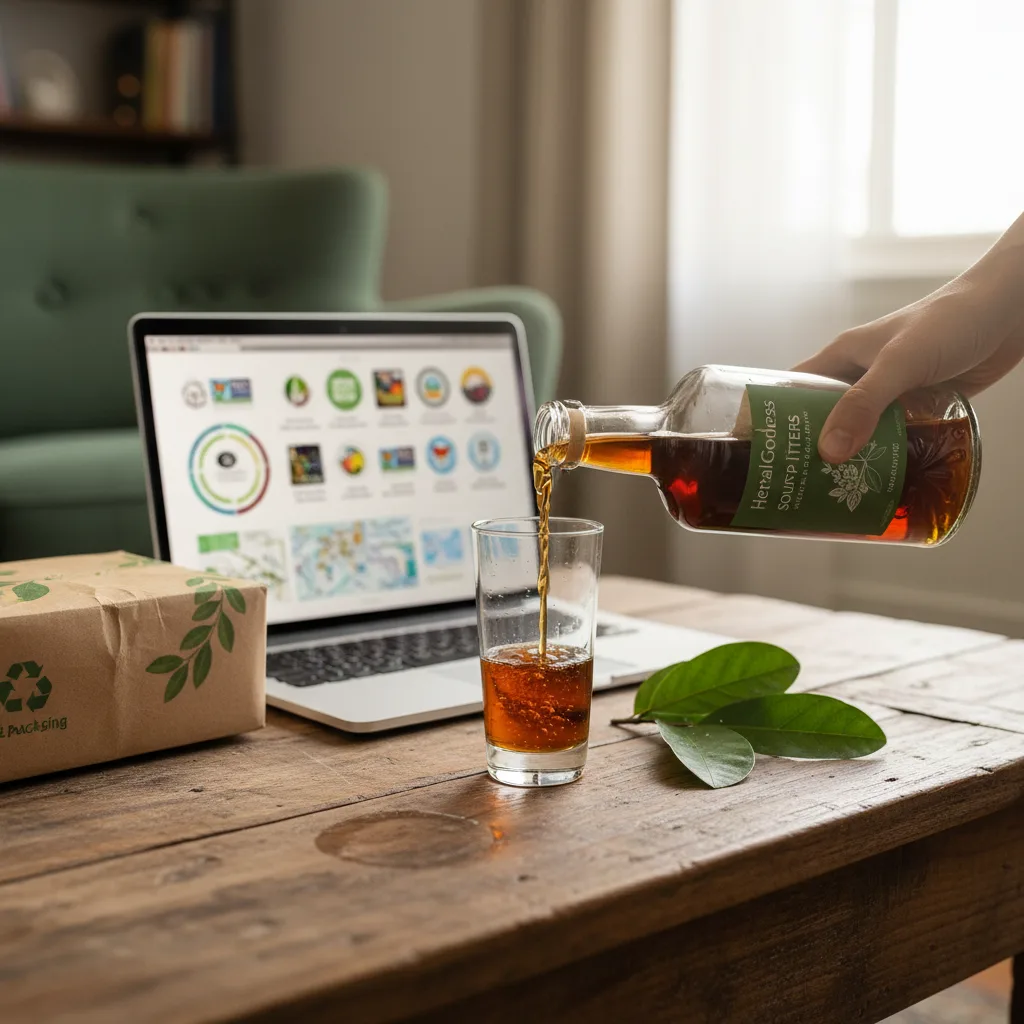
Empowering yourself with a handful of direct questions can quickly reveal how committed a company is to sustainability in their soursop bitters.
- Can you provide certifications for your soursop bitters?
- Expect official documentation or verifiable logos.
- Where exactly is the soursop in your bitters grown and processed?
- Reliable sellers will know their supply chain.
- Can I see a third-party lab analysis or Certificate of Analysis for your product?
- Ask for easy access. Hesitancy may indicate less transparency.
- How do you ensure ethical labor and fair pay at your source farms?
- Brands with social responsibility will have clear answers.
- What materials are used in the packaging, and is it recyclable, compostable, or reusable?
- Look for concrete details, not just green symbols.
- How do you minimize the environmental footprint from harvest to delivery?
- Open responses may include reduced transport, offset programs, or reduced emissions package choices.
Responsible brands see these questions as signs of a thoughtful customer—not a nuisance. Wellness-focused liquid extracts like Simply Bcos Im Happy - 2fl.oz - Mood & Zen often publish information about sourcing or transparency, reinforcing consumer confidence.
How Herbal Goodness Approaches Soursop Bitters Sustainability
While every shopper should do their own research, some companies—like Herbal Goodness—recognize the importance of full traceability and responsible sourcing when it comes to soursop bitters. You may find:
- Clearly displayed organic certifications on product pages
- Sourcing information down to the region or farm
- Direct links to third-party lab results
- Transparent packaging breakdowns and disposal tips
Checking for these signals makes it easier to shop confidently and in line with your ethics. For those interested in supporting immune wellness or digestive health, products detailing farm-to-bottle pathways, like Avocado Leaf Organic 15X Liquid Extract | Heart & Immune Wellness and Organic Papaya Seed Powder 4oz | Gut Cleanse & Digestive Support, showcase how broader transparency benefits your health and the planet.
Spotting Real vs. Vague Claims in Soursop Bitters Online
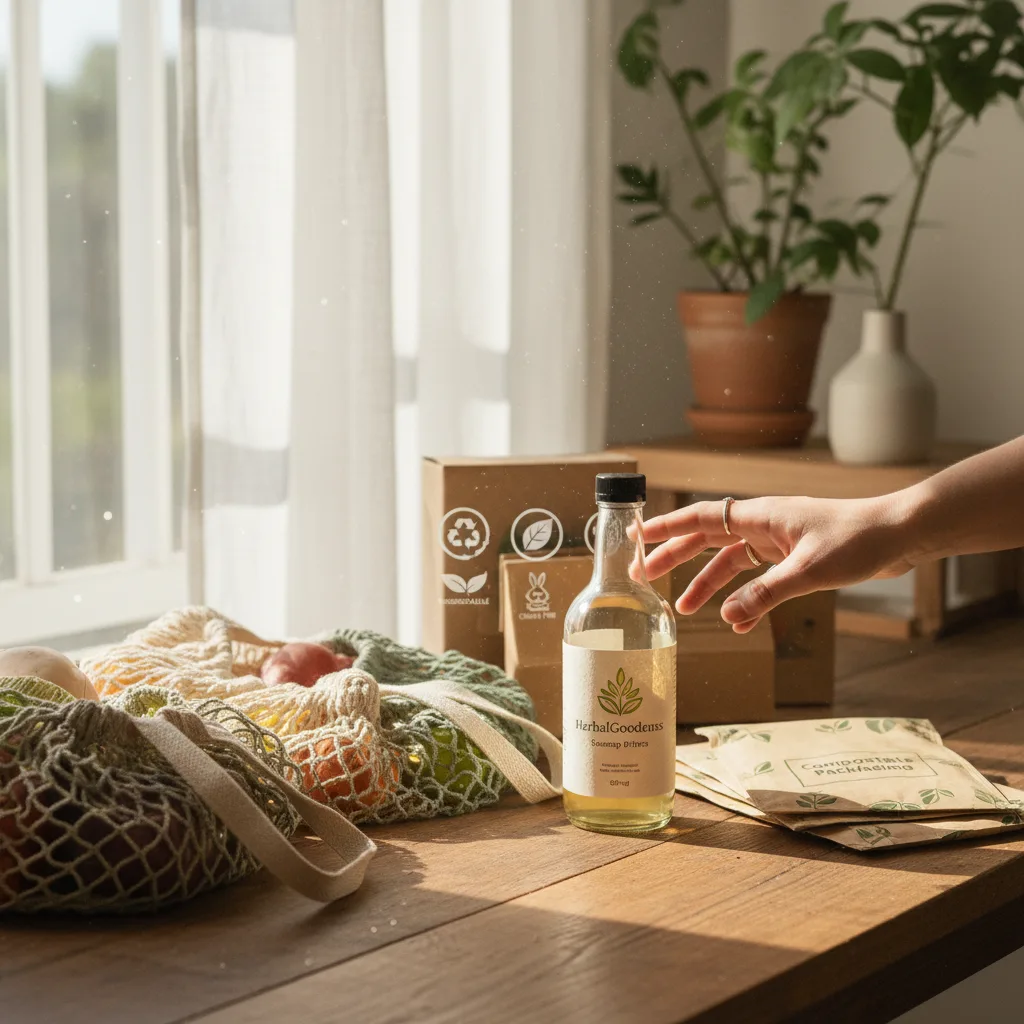
Let’s compare some examples of strong signals versus red flags when shopping for soursop bitters:
Strong Sustainability Signals
- “Certified USDA Organic soursop, grown in certified organic cooperative in Jamaica.”
- “See our third-party purity test results from Eurofins Laboratory linked below.”
- “Recyclable glass bottle, FSC-certified labels, and compostable shipping materials.”
Vague or Greenwashed Claims
- “Natural, pure soursop bitters, good for the planet.”
- “Our packaging is eco-friendly!” with no further details.
- “We believe in supporting farmers” without sharing any farmer stories or cooperative names.
Practical Steps to Become a Confident Sustainable Shopper
Taking a moment to scan for authenticity when you buy soursop bitters online is worthwhile. Here’s a quick action plan:
- Scan for third-party logos or certification stamps. They should be clickable or traceable.
- Check for sourcing transparency. Is the origin region or grower information shown?
- Look for direct links to lab results or Certificate of Analysis.
- Review packaging details. Is there information about recyclability or reduced waste?
- Cross-check with independent sources. A quick search can confirm claims or raise questions.
- Contact the brand with your questions if anything isn't clear.
Remember: Responsible brands expect scrutiny and will respond with clarity. You have the right to make conscious choices that resonate with your values, and your careful attention makes a difference not only in your personal wellness routine but in supporting communities and environments worldwide.
Frequently Asked Questions
Question 1: How can I verify the sustainability claims of soursop bitters before purchasing online?
Answer: Check for visible certifications (such as USDA Organic), detailed origin information, direct links to third-party lab results, and detailed packaging notes. Trustworthy products, including Raw Sea Moss 8oz Bag | St. Lucia Wildcrafted – Nature's Multivitamin, provide accessible proof of their sustainability.
Question 2: What are warning signs of greenwashing when shopping for herbal extracts?
Answer: Beware of broad phrases like “100% natural” or “earth-friendly” that lack specific details or certifications. Responsible brands detailing their transparency, such as with the Organic Papaya Seed Powder 4oz | Gut Cleanse & Digestive Support, often go beyond buzzwords.
Question 3: Are there other herbal products I can trust for responsible sourcing?
Answer: Yes. Explore verified wellness options such as Avocado Leaf Organic 15X Liquid Extract | Heart & Immune Wellness and Simply Bcos Im Happy - 2fl.oz - Mood & Zen, which emphasize transparency in sourcing and quality.

Making informed choices about soursop bitters helps drive true sustainability in herbal wellness. Ask smart questions, demand transparency, and choose brands that align with your values for a more positive impact.
About the Author
Herbal Goodness Editorial Team
The Herbal Goodness Editorial Team specializes in holistic health and superfoods, blending science and nature to educate and empower our community.
References
Introducing Graviola to Young Taste Buds: Fun, Family-Friendly Flavor Exploration