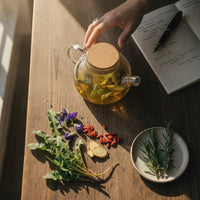
Chanca Piedra Flavor Wheel: Sensory Tasting, Descriptors, and Pairing Guide

Chanca piedra, known in herbal circles for its distinctive character, offers a compelling palate for sensory exploration. Whether you’re curious about the nuanced flavor of this celebrated herb or looking to enhance your appreciation through guided tasting, building a flavor wheel can be your stepping stone. In this article, you’ll uncover a step-by-step approach to constructing a chanca piedra flavor wheel. We’ll cover how to organize a small tasting panel, identify variables that influence the brew’s flavor, develop a tailored lexicon for aroma and taste, recognize regional distinctions, and explore simple pairings for teas and mocktails. By the end, you’ll have tools and vocabulary to make your sensory experience with chanca piedra more vivid and insightful.
Why Build a Chanca Piedra Flavor Wheel?
A flavor wheel acts as a visual map for the many sensations and nuances an herbal infusion can offer. For chanca piedra, which boasts a unique combination of earthy, grassy, and subtle citrus notes, a dedicated flavor wheel supports mindful tasting. This method helps:
- Identify primary and secondary tasting notes
- Create a shared language for panels and enthusiasts
- Guide product blending and pairings
- Encourage a deeper connection to herbal traditions
To further your sensory journey, explore options such as the Stone Breaker Chanca Piedra 15X Liquid | Kidney & Urinary Wellness for a pure and authentic chanca piedra experience.
Step 1: Setting Up a Tasting Panel for Chanca Piedra
Tasting chanca piedra in a group provides a spectrum of impressions. Whether you involve colleagues, friends, or fellow enthusiasts, organizing a structured panel lays the groundwork for shared discovery.
Choosing Your Panel
- Group size: 3–6 participants encourages conversation without overwhelming consensus.
- Diversity: A range of palates and backgrounds generates a rich sensory vocabulary.
- Accessibility: Authentic chanca piedra, either as loose herb or ready-cut tea, is ideal for consistent results. Thoughtful herbal alternatives, such as Papaya Leaf Tea | Organic 24 Premium Bags – Caffeine-Free, can bring new perspectives to tasting panels dedicated to herbal infusions.
Tasting Environment
- Low distractions: Neutral lighting and mild background help participants focus on sensory input.
- Neutral palates: Avoid strong flavors before tasting; opt for water and mild snacks.
- Proper brewing supplies: Use identical cups, spoons, and kettles for uniformity.
Step 2: Brewing Methods and Variables Impacting Chanca Piedra Flavor
Brewing variables can unlock different dimensions of chanca piedra. Understanding these parameters is crucial for mapping the full flavor spectrum.
Key Brewing Variables
- Temperature: Lower (160-175°F) extracts subtle flavors; higher (180-200°F) brings out stronger notes.
- Steeping time: Gentle infusions (3-5 minutes) suit lighter palates; longer steeping (7-10 minutes) deepens earthiness and intensity.
- Water type: Soft water allows flavors to bloom; hard water may add mineral complexity.
- Herb-to-water ratio: A standard starting point is 1–2 grams of chanca piedra per 8 ounces of water.
Brewing Protocol for Tasting
To maintain consistency, assign each panel session a clear protocol. For example:
- 2 grams dried chanca piedra
- 8 ounces freshly boiled water (cooled to 190°F)
- Steep for 6 minutes, covered
- Strain and sample promptly
For those looking to explore the art of mindful brewing, the our Bulk Herbs collection can be an excellent way to compare different herbal teas side by side for tasting panels. Record any deviations, as these will affect the sensory profile and the descriptors you create.

Step 3: Lexicon of Chanca Piedra Aroma and Taste Descriptors
A robust flavor wheel needs a set of sensory descriptors for aroma, taste, and mouthfeel. Here’s a starter lexicon based on panel feedback and sensory evaluations:
Aroma Descriptors
- Grassy
- Herbal
- Mineral
- Slightly citrus
- Hay-like
- Vegetal
Taste Descriptors
- Mild bitterness
- Subtle sweetness
- Earthy undertones
- Fresh cut grass
- Lemon zest hint
- Woody
Mouthfeel Descriptors
- Light-bodied
- Clean finish
- Astringency (mild)
Use these as prompts. During tasting, encourage participants to record their own impressions, expanding the lexicon to suit the particular sample’s nuances. Some panelists might notice comparisons to herbal wellness teas, similar to what is found in the Herbal Tea Trio – Build-Your-Own Bundle | Mix & Match Any 3 USDA Organic Herbal Teas & Save 20%, which can serve as both a reference and a complementary flavor experience.
Step 4: Observing Regional Variation in Chanca Piedra Flavor
Like many botanicals, chanca piedra’s sensory qualities can differ based on where it's sourced. Noting these subtle distinctions adds richness to your flavor wheel.
Factors Influencing Regional Character
- Soil composition: Alters mineral expression and intensity of earthiness.
- Harvesting practices: Younger leaves may skew milder and more vegetal; mature stems sometimes contribute woody notes.
- Climate: Variations in rainfall and sun can change aroma depth or sweetness profile.
Experiencing regionality is also possible by exploring blends; try substituting one component, such as chamomile or mint, from an organic herbal tea, to see how the wheel transforms. When available, compare samples from different regions. Record differences in color, aroma, and taste using your wheel template. Even experienced tasters discover new descriptors as they explore diverse origins.

Step 5: Pairing Chanca Piedra—Tea and Mocktail Suggestions
Combining chanca piedra with compatible flavors can enhance its best attributes. Use your flavor wheel as a reference to inspire simple, approachable pairings.
Herbal Tea Pairings
- Peppermint: Emphasizes cool freshness; balances earthiness
- Lemon balm: Highlights citrus and softens mild bitterness
- Chamomile: Adds sweetness and floral undertones
- Ginger: Lends warmth and accentuates grassy notes
If you want to broaden your herbal tasting adventures, integrating options like Papaya Leaf Extract 10X Capsules 600mg | Platelet & Digestive Aid can be considered for those who appreciate herbal flavors in daily routines.
Mocktail Blending Ideas
- Citrus mocktails: Combine with fresh lemon or lime juice for a crisp, refreshing profile
- Cucumber-chanca agua fresca: Light, cooling, and garden-fresh
- Honey-iced chanca piedra: Softens astringency; appeals to those new to herbal blends
Experiment with add-ins and note how each influences flavor. The wheel and lexicon offer a guide for blending and personalizing your drinks. For continuous discovery, the Stone Breaker Chanca Piedra Capsules 10X | 60ct – Kidney Wellness are convenient for taste comparison and exploration alongside infusions.

Step 6: A Flavor Wheel Template for Chanca Piedra
A printable or hand-drawn flavor wheel makes it simpler to visualize the tasting experience. Here’s a basic template for recording chanca piedra evaluations:
- Center: Chanca piedra (herb name)
- First ring: Categories (aroma, taste, mouthfeel)
- Second ring: Specific descriptors from your lexicon or the starter list provided
- Outer ring: Intensity scale (light, moderate, bold)
During your tasting session, fill in each ring by consensus or individual impression. Encourage annotation—arrows, notes, or even illustrations—to capture nuance. Save these wheels for reference as your palate grows, or compare across regions and blends.
Pro Tips for Deepening Your Sensory Experience
- Take time between sips for notes and conversation.
- Use the same brewed sample to revisit as it cools; temperature changes can reveal hidden qualities.
- Try blind tastings (label cups A, B, C) for unbiased impressions.
- Revisit your flavor wheel with new pairings or after exposure to other herbal teas.
Building a chanca piedra flavor wheel offers a window into the artistry of herbal tasting. Whether for personal enrichment or to guide group discussions, this sensory journey connects tradition, curiosity, and the pleasure of discovery.
Frequently Asked Questions
Question 1: What products support mindful tasting of chanca piedra?
Answer: For a focused tasting, try Stone Breaker Chanca Piedra 15X Liquid | Kidney & Urinary Wellness or compare with Stone Breaker Chanca Piedra Capsules 10X | 60ct – Kidney Wellness for format variety.
Question 2: How do papaya leaf products fit in tasting panels?
Answer: Papaya Leaf Tea | Organic 24 Premium Bags – Caffeine-Free and Papaya Leaf Extract 10X Capsules 600mg | Platelet & Digestive Aid offer herbal aromas and flavors that expand your palate or serve as comparisons.
Question 3: Where can I find bulk herbs for comparative brewing?
Answer: Explore our Bulk Herbs collection or our organic herbal teas to sample various botanicals.
Question 4: What health concerns does chanca piedra traditionally address?
Answer: Chanca piedra is known for kidney and urinary health. Products like Stone Breaker Chanca Piedra 15X Liquid | Kidney & Urinary Wellness highlight its supportive properties.
Question 5: What pairs well with chanca piedra in mocktails?
Answer: Pairing with citrus, cucumber, or honey enhances chanca piedra's profile. Herbal blends such as those found in the Herbal Tea Trio – Build-Your-Own Bundle also provide ideas.
Question 6: Are capsules or liquids better for tasting herbal nuances?
Answer: For sensory exploration, liquids like Stone Breaker Chanca Piedra 15X Liquid provide the clearest flavor, but capsules such as Papaya Leaf Extract 10X Capsules 600mg offer convenience with a milder aroma.
Question 7: How can I start assembling a home flavor wheel panel?
Answer: Source authentic chanca piedra, prepare samples with a consistent protocol, and consider adding our Bulk Herbs collection for comparison.
Ready to deepen your herbal journey? Organize your own chanca piedra tasting, and use your sensory observations to guide exploration and creativity in your tea blends and mocktails.
About the Author
Herbal Goodness Editorial Team
The Herbal Goodness Editorial Team specializes in holistic health and superfoods, blending science and nature to educate and empower our community.
Related Articles
Chanca Piedra and Kidney Safety: What Evidence Really Says and How to Use It Wisely
A Beginner’s Guide to Launching a Small-Batch Chanca Piedra Product Successfully
Citizen Science with Chanca Piedra: Guide to Documenting and Sharing Your Wild Observations
Is Chanca Piedra Invasive? Responsible Gardening, Control, and Ecology