


Cooking with Herbal Supplements: Simple Ways to Use Powders, Teas, and Liquid Extracts in Everyday Recipes

Herbal supplements are no longer confined to capsules and tinctures hidden away in the medicine cabinet. Modern home cooks are discovering the exciting world of using botanical powders, brewed herb teas, and liquid extracts as nourishing and flavorful additions to countless recipes. Whether you’re aiming to enrich your diet, boost wellness, or simply experiment with natural flavors, integrating herbs into daily meals can be both simple and deeply rewarding. By understanding how to use these forms—powders, teas, and extracts—safely and deliciously, you can confidently bring the best of nature into your kitchen.
Exploring the Forms: Powder, Tea, and Liquid Extract
Herbal supplements come in several convenient forms, and each has unique culinary strengths. To make the most of their flavors and benefits, it’s important to understand how they behave in a variety of recipes.
Herbal Powders: Versatile and Easy to Blend
Herbal powders—such as moringa, matcha, turmeric, spirulina, or ashwagandha—are finely milled botanicals that can be stirred into liquids or incorporated into dry mixes. Their concentrated flavors and nutrients make them ideal for:
- Smoothies and shakes: Add ½–1 teaspoon of herbal powder to your morning smoothie for an easy boost. Try blending moringa into green smoothies or mixing matcha with oat milk for a creamy, energizing treat.
- Baked goods: Incorporate herbal powders into muffins, pancakes, or breads. Turmeric powder pairs well with lemon and ginger, while cinnamon and maca add warmth to banana bread. Start with small amounts and adjust to taste.
- Seasoning blends: Mix savory powders—like garlic or rosemary—with salt and pepper for a custom herbal seasoning that enhances roasted veggies or grilled proteins.
- Soups and sauces: A pinch of herb powder can lend complexity to pureed soups or savory sauces. For instance, add a dash of powdered ginger or turmeric for depth and color.

Brewed Herbal Teas: Flavorful and Functional Bases
Brewing herbs into tea extracts their active compounds and yields a gentle, aromatic liquid. Herbal teas can lend both function and flavor to a range of culinary uses:
- Broth and grains: Substitute water with cooled herbal tea when cooking grains like rice, quinoa, or couscous. Chamomile or lemon balm tea creates a floral, soothing note for lighter dishes.
- Baking liquid: Replace part of the liquid in cake or bread recipes with strong herbal tea. Hibiscus or rooibos tea enriches the color and adds subtle fruitiness.
- Poaching liquid: Infuse eggs or fruits by poaching in herbal tea for unique flavor twists.
- Mocktails and iced drinks: Mix herbal tea with fruit juice, sparkling water, or lemonade for refreshing, non-alcoholic beverages rich in botanical benefits.
If you’re interested in incorporating high-quality teas into your cooking, consider trying Soursop Leaf Tea Graviola Leaves - 100% Organic, which provides natural flavor and wellness benefits.
Tips for Using Herbal Teas in Recipes
- Brew stronger steepings for more pronounced flavor.
- Allow tea to cool before using in doughs or batters to avoid premature cooking or curdling.
- Pair teas with complementary ingredients; for example, mint tea works beautifully with chocolate desserts or lamb dishes.
Liquid Herbal Extracts: Potent Flavor Enhancers
Liquid extracts—such as alcohol-free tinctures or glycerites—pack intense herbal flavors and therapeutic compounds into just a few drops. They’re perfect for:
- Warm drinks: Stir a dropperful of adaptogenic extract (like holy basil or reishi) into hot cocoa or herbal lattes for a functional beverage.
- Dressings and sauces: Whisk a small amount of herb extract into vinaigrettes or finishing sauces. Lemon balm or elderberry extract brightens salad dressings; astragalus provides subtle earthiness in savory sauces.
- Desserts and snacks: Add extracts to yogurt, puddings, or energy bites for a wellness twist without overpowering the main flavors.
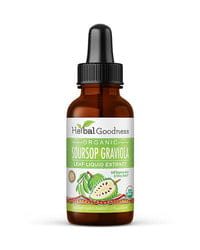
For immune support and flavor, you could add a few drops of Soursop Leaf Graviola Extract - Organic Liquid to dressings or beverages for a botanical boost. When working with liquid herbal extracts, always check serving sizes and quality indicators.
Key Tips for Flavor Balancing and Safe Incorporation
Start Small, Taste Often
When experimenting with any herbal supplement, less is more. Begin with the lowest suggested amount—usually ¼ to ½ teaspoon for powders or a few drops for extracts—and increase gradually. Taste as you go, observing both the flavor and any potential effects. This approach helps when you’re using products such as Papaya Leaf Extract - Organic - Liquid - 16oz, which pack potency into a small volume.
Mind Compatibility with Other Ingredients
Some herbs have bold flavors that can easily dominate a dish (think fenugreek or reishi). Pair assertive herbs with robust flavors—cocoa, nuts, citrus—or use them to amplify similar notes, such as turmeric with ginger.
For more delicate botanicals, like lavender or chamomile, support their subtlety with mild ingredients such as vanilla, honey, or milk. Soursop Leaf Tea Graviola Leaves - 100% Organic can be used in these calming blends for gentle, comforting flavor.
Watch Temperature Sensitivity
Many beneficial compounds in herbs—especially vitamins, polyphenols, and certain adaptogens—can degrade with excessive heat. For maximum potency:
- Add herbal powders or extracts towards the end of cooking whenever possible.
- Allow cooked dishes to cool slightly before stirring in sensitive botanicals.
- Use freshly brewed and cooled herbal teas in recipes, rather than those left to sit for long periods. This is especially helpful if using teas like Bamboo Leaf Tea – Caffeine-Free | 24 Tea Bags (1.5g Each).

Safe and Smart Storage
Quality and safety begin with proper storage. Herbal supplements, like spices, are best kept in airtight containers away from direct sunlight, heat, and moisture. For maximum freshness:
- Label jars with the contents and expiration date.
- Store liquid extracts in dark glass bottles.
- Discard any herbs with a musty odor or signs of spoilage.
Always follow manufacturer storage guidelines, especially for perishable products or those requiring refrigeration. Organic extracts such as Papaya Leaf Extract - Organic - Liquid - 16oz benefit from these careful storage practices.
Creative Recipe Inspirations for Every Meal
Morning Boost: Superfood Smoothie with Herbal Powder
Blend spinach, banana, almond milk, and 1/2 teaspoon spirulina powder for a refreshing, nutrient-dense breakfast. Adjust sweetness with honey or dates, and throw in a handful of berries for color and antioxidants. For additional plant support, try blending in a small amount of Papaya Leaf Extract - Organic - Liquid - 16oz for its gentle bitterness and wellness support.
Lunchtime Lift: Quinoa Cooked in Herbal Tea
Prepare quinoa using strong brewed Soursop Leaf Tea Graviola Leaves - 100% Organic instead of water. Add chopped cucumbers, cherry tomatoes, fresh herbs, and a citrusy vinaigrette for a vibrant, revitalizing grain bowl.
Afternoon Treat: Herbal-infused Energy Bites
Mix rolled oats, nut butter, a handful of seeds, and a drizzle of honey with a teaspoon of adaptogen powder (like ashwagandha or maca). Roll into balls and chill until set for a grab-and-go snack packed with balancing botanicals.
Dinner Delight: Savory Sauce with Herbal Extract
Whisk a few drops of Soursop Leaf Graviola Extract - Organic Liquid into a coconut curry sauce just before serving. Layer over sautéed vegetables and tofu for an aromatic and immune-supportive main course.
Evening Unwind: Turmeric & Ginger Latte
Simmer non-dairy milk with turmeric and ginger powder, a pinch of black pepper, and a splash of maple syrup. Whisk until frothy and golden. Pour into a mug, allowing to cool slightly, and stir in a dropper of Papaya Leaf Extract - Organic - Liquid - 16oz for a comforting nightcap.
Safety First: Guidelines for Home Herbal Experimentation
While culinary exploration with herbal supplements is fun, it’s vital to consider health and safety:
- Check recommended serving sizes—more isn’t always better. Follow packaging or professional guidance. If you're using products like Soursop Leaf Graviola Extract - Organic Liquid, use dropperfuls sparingly and as instructed.
- Beware of allergies or potential interactions, especially if you are pregnant, nursing, on medication, or have known sensitivities.
- Introduce one herb at a time when testing new additions, so it’s easier to trace any unexpected reactions.
- Buy quality, food-grade herbal products from reputable sources—purity and safety matter!
For added assurance, consult with a healthcare provider or qualified herbalist, especially when venturing beyond culinary doses.
The Joy of Everyday Cooking with Herbs
When thoughtfully incorporated, herbal supplements can do more than boost nutrition—they awaken the senses, deepen culinary traditions, and inspire creativity in the kitchen. Whether you’re blending morning smoothies with bright green powders, whisking Soursop Leaf Graviola Extract - Organic Liquid into luminous sauces, or steeping fragrant Soursop Leaf Tea Graviola Leaves - 100% Organic to flavor your favorite grains, every meal offers a new opportunity to explore the infinite possibilities of botanicals in daily cooking.
FAQs:
- How do I choose the right herbal supplement form for my recipe?
Consider the texture and flavor profile you wish to achieve. Powders blend smoothly into drinks or batters, teas create aromatic liquids for cooking grains or baking, and liquid extracts offer concentrated flavor—best for sauces or adding to beverages.
- Can herbal supplements alter the taste of my dish?
Yes, herbal powders, teas, and extracts can influence the flavor of your dish. Some, like turmeric or matcha, add strong tastes, while others such as chamomile or lavender offer subtle notes. Start with small amounts and balance with complementary ingredients.
- Are there any herbs I should avoid heating during cooking?
Certain herbs, especially those rich in delicate vitamins or polyphenols, may lose potency when overheated. Add sensitive botanicals like ashwagandha, reishi, or adaptogen extracts towards the end of cooking or after the food has cooled slightly to preserve benefits.
- How should herbal teas be prepared for culinary use?
Brew herbal teas stronger than for drinking to give dishes robust flavor. Cool the tea before adding to batters, doughs, or as a cooking liquid to maintain texture and avoid premature cooking.
- What’s the best way to store herbal supplements for cooking?
Keep powders and teas in airtight containers away from heat, light, and moisture. Liquid extracts should be stored in dark glass bottles, often in cool, dark places. Always follow manufacturer recommendations for optimal freshness and safety.
Ready to transform your kitchen with the power of botanicals? Browse our collection of quality herbal powders, teas, and extracts, and start your culinary adventure today! For more recipes and holistic wellness tips, sign up for our newsletter.
Author Name:
Herbal Goodness Editorial Team
Author Bio:
The Herbal Goodness Editorial Team specializes in holistic health and superfoods, blending science and nature to educate and empower our community.
References:
Culinary Herbalism: Integrating Botanicals into Everyday Dishes
A Practical Guide to Incorporating Herbal Powders in Food
Share this
Popular posts


FAQs
1. What are the main benefits of drinking bamboo leaf tea?
Drinking bamboo leaf tea supports hydration, relaxation, skin wellness, and antioxidant balance.
2. What is bamboo leaf extract used for?
It’s used for general body wellness, skin elasticity, hair and nail support, and overall vitality.
3. Can bamboo leaf help with skin care and body wellness?
Yes, bamboo leaf is rich in silica and antioxidants, which promote healthy skin, strong nails, and a youthful glow.
4. What forms of bamboo leaf are available?
You can find dried bamboo leaf, powder, extract, drops, oil, and bamboo leaf green tea.
5. Are there any side effects of bamboo leaf?
Bamboo leaf is generally safe when consumed in moderation. Always consult your healthcare provider before starting any new herbal supplement.