Does Hibiscus Tea Contain Caffeine? Understanding Blends, Processing, and Labels

Is hibiscus tea the perfect caffeine-free option, or can it sometimes deliver a surprising energy boost? If you’re carefully choosing botanical beverages for a gentler daily ritual, understanding the caffeine content of hibiscus tea is more nuanced than many realize. The short answer is that pure hibiscus tea is naturally caffeine-free—but that doesn’t mean every cup labeled “hibiscus” is free from caffeine. This in-depth guide explains why, clarifies how blends and processing can introduce or avoid caffeine, and offers actionable tips for choosing the right hibiscus tea for your needs.
Why Pure Hibiscus Tea Is Usually Caffeine-Free
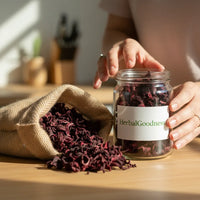
Hibiscus tea is a herbal infusion made from the calyces of the Hibiscus sabdariffa flower. Unlike traditional “true” teas—such as black, green, or oolong—which are always derived from the Camellia sinensis plant, hibiscus is not related to this family and contains no inherent caffeine. When you prepare hibiscus tea using only dried hibiscus petals or calyces and hot water, the result is a naturally caffeine-free beverage. This is why hibiscus tea is so widely appreciated by those seeking a flavorful alternative to caffeinated drinks.
Herbal Infusions vs. True Teas
- Herbal infusions: Come from herbs, spices, flowers, or roots (like hibiscus, chamomile, peppermint), not from Camellia sinensis.
- True teas: Black, green, white, oolong, and pu-erh are all made from the leaves of Camellia sinensis and contain naturally occurring caffeine.
Understanding this distinction is key. When you see a product labeled as an “herbal tea,” like hibiscus, chamomile, or rooibos, it generally means the product itself does not contain caffeine—unless something is added or blended in during processing.
How Blending Can Introduce Caffeine to Hibiscus Tea
Many teas available in stores or online are not single-ingredient infusions. Instead, they are blends—a mix of different botanicals and sometimes traditional tea leaves. This blending is where the question of caffeine content becomes more complicated for hibiscus tea.
Common Blend Scenarios
- Hibiscus + Black or Green Tea
- Some popular blends combine hibiscus with green or black teas for a bolder flavor and brighter color. These blends will contain caffeine from the true tea leaves.
- Hibiscus + Other Herbal Ingredients
- Blends that pair hibiscus with other herbal ingredients (like rose hips or lemongrass) usually remain caffeine-free.
What to Look for on the Label
Labels may read “hibiscus blend,” “hibiscus infusion,” or simply “hibiscus tea.” Unless the ingredient list states only hibiscus (sometimes with Latin names like Hibiscus sabdariffa), there could be additional ingredients. Check for black, green, white, or oolong tea leaves in the list—they’ll introduce caffeine.
Tip: Ingredient lists order items by predominance. If Camellia sinensis appears near the top, expect detectable caffeine content.
Caffeine and Processing: Potential Cross-Contact
Another nuance is the way teas are processed and packaged. Facilities that handle both herbal and traditional tea leaves may have a small risk of cross-contact.
Understanding Cross-Contact
- Cross-contact occurs when trace amounts of caffeinated tea (like black or green) come into contact with caffeine-free products during processing or packaging. This is usually minimal, but for those who are highly sensitive or avoiding caffeine completely, it’s worth being aware.
Certifications and Commitment to Purity
Some brands, such as Herbal Goodness, dedicate themselves to specialist processing to minimize cross-contact. Look for packaging claims like “processed in a caffeine-free facility” or “dedicated herbal line.” This extra attention is significant for those with strong caffeine sensitivities.
Added Ingredients: Sources of Hidden Caffeine
Blends and flavored teas may also include natural or artificial flavors, or paired ingredients that contain caffeine. Even subtle boosts, like guayusa or yerba mate, can increase the caffeine content of a hibiscus tea product.
Reading Labels for Added Caffeine Sources
- Check the full ingredient list for any mention of tea leaves (Camellia sinensis), guayusa, or yerba mate.
- Understand flavorings: Phrases like “natural energy blend” may indicate added caffeine.
- Look for certifications: “Caffeine Free” can usually be trusted, but still review the ingredient panel for peace of mind.

Choosing the Right Hibiscus Tea Format for Your Needs
Not all hibiscus tea formats are created equal. How you purchase or prepare your hibiscus can impact caffeine risk. Here’s a breakdown of the most common forms:
1. Loose Leaf Hibiscus
- Description: Generally pure dried hibiscus petals or calyces.
- Caffeine Risk: Very low—single ingredient, easy to verify.
- Best For: Those wanting complete control over what's in their brew. Consider choosing our organic herbal teas for high confidence in single-ingredient purity.
2. Sachets and Bags
- Description: Pre-portioned servings, often a blend of botanicals.
- Caffeine Risk: Higher if the sachet blends hibiscus with true tea leaves.
- Pro Tip: Review both the front and back labels for clarity. Look for “100% hibiscus” or “herbal infusion.” Try Hibiscus Tea - Organic 24/2g Tea bags - Heart Health for clear labeling and trusted sourcing.
3. Powders and Extracts
- Description: Fine hibiscus powders for drinks, or concentrated liquid extracts.
- Caffeine Risk: Varies—pure powders are caffeine-free, but some drink mixes include green tea, guayusa, or other stimulants.
- Best Practice: Double-check labels and, if in doubt, contact the manufacturer directly to confirm caffeine status. Explore Wellness Tea Blends carefully for their ingredient lists.
4. Ready-to-Drink and Bottled Hibiscus Beverages
- Description: These products may include juices, sweeteners, or blends.
- Caffeine Risk: Can vary significantly; added tea or plant extracts may contain caffeine.
- Label-Reading Tip: Look for explicit “caffeine-free” labeling.

Practical Guide: How to Read Labels for Caffeine Clues
Navigating the world of herbal teas gets easier once you know what to look for on labels. Whether shopping in-store or online, these steps increase your confidence:
Key Steps to Identify Caffeine Content:
- Scan the Ingredient List: Look for only “hibiscus” or Hibiscus sabdariffa.
- Review for Tea Leaves: Black tea, green tea, oolong, white tea mean caffeine is present.
- Beware of “Energy” or “Vitality” Terms: Double-check such blends for added stimulating plants—particularly if ingredients like Guayusa Leaf may be included.
- Check Certifications and Declarations: “Caffeine Free,” “herbal only,” or processing claims are best.
- Research if Unclear: When in doubt, consult brand information or reputable online databases.

Why People Seek Caffeine-Free Hibiscus Tea
Many individuals look for caffeine-free herbal options for evening rituals, sensitivity concerns, or simply for a gentler, hydrating beverage. Pure hibiscus tea’s naturally tart and vivid red infusion provides an appealing sensory experience, perfect for those seeking botanical wellness without the bounce of caffeine.
Those who craft wellness routines with intentionality may appreciate the clear labeling and simple ingredient lists that accompany most quality hibiscus tea formats. If caffeine-avoidance is a top priority, choosing transparent manufacturers and checking the packaging becomes a vital part of every purchasing decision.
Herbal Goodness Approach: Quality and Transparency
As a brand attuned to wellness and the needs of discerning consumers, Herbal Goodness prioritizes purity and transparency in its hibiscus tea offerings. For anyone committed to a caffeine-free lifestyle, this focus on single-ingredient sourcing, careful labeling, and responsible processing can be especially reassuring. If you like herbal variety, you may also explore the Organic Herbal Tea Trio for carefully crafted options.
Recap: Ensuring a Caffeine-Free Hibiscus Experience
- Pure hibiscus tea is naturally caffeine-free.
- Blends with traditional tea leaves or caffeine-rich botanicals can introduce caffeine to hibiscus tea.
- Processing cross-contact is possible, though usually in trace amounts.
- Label reading is critical: ingredient clarity, caffeine-free certifications, and manufacturer claims build confidence.
- Formats matter: loose leaf hibiscus offers the highest assurance, with sachets, powders, and ready-to-drink options requiring more investigation.
By understanding sourcing, blends, and processing—the full journey of your hibiscus tea—your daily ritual remains as mindful and intentional as you desire.
If you seek a caffeine-free tea ritual, always review your hibiscus tea’s ingredient label and source. For more insights on botanicals, explore Herbal Goodness resources.
FAQs:
- Is pure hibiscus tea always caffeine-free?
Yes, when hibiscus tea is made solely from Hibiscus sabdariffa petals or calyces, it is naturally caffeine-free. However, always verify the ingredient list since blends may add black, green, or other teas that introduce caffeine.
- Can hibiscus tea blends contain caffeine?
Absolutely. Some hibiscus tea products are blended with black, green, or even white tea leaves, which do contain caffeine. Reviewing the ingredients is essential if you’re sensitive to caffeine.
- What is the risk of caffeine cross-contact in herbal teas?
During processing, herbal teas like hibiscus may share facilities with caffeinated teas. While cross-contact is typically minimal, those highly sensitive to caffeine may wish to choose brands labeling their teas as processed in caffeine-free facilities.
- How do I confirm if a hibiscus tea bag or powder is caffeine-free?
Read the ingredients and labeling carefully. Look for ‘100% hibiscus,’ ‘herbal infusion,’ or a ‘caffeine-free’ declaration. When in doubt, contact the manufacturer for clarification.
- Do ready-to-drink hibiscus beverages contain caffeine?
Some ready-to-drink hibiscus beverages may include added tea leaves, guayusa, or yerba mate, which can contain caffeine. Always check the label for clarity on ingredients and caffeine status.
- What is the difference between true tea and herbal infusions like hibiscus?
True teas come from the Camellia sinensis plant and naturally contain caffeine. Hibiscus tea, as an herbal infusion, is from the Hibiscus sabdariffa flower and contains no inherent caffeine.
Author Name:
Herbal Goodness Editorial Team
Author Bio:
The Herbal Goodness Editorial Team specializes in holistic health and superfoods, blending science and nature to educate and empower our community.
References:
Herbal Teas and Their Effects on Human Health – Molecules
Hibiscus sabdariffa L. in the Prevention of Hypertension – National Institutes of Health