Ethical Ethnobotany: Documenting Chanca Piedra Traditions with Respect

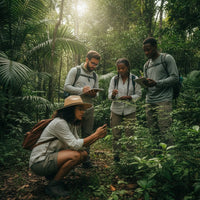
Ethnobotany—the study of the relationships between people and plants—helps uncover the valuable cultural, spiritual, and practical roles botanicals play in communities worldwide. Chanca piedra, a small tropical plant long valued in traditional use, features in many community-based healing rituals, recipes, and oral histories. Yet, as interest in its traditions grows, so too does the responsibility to document these stories accurately and ethically, always honoring those who hold this living knowledge. Whether you’re a student, writer, herbal enthusiast, or researcher, respectful ethnobotanical study is essential for preserving heritage while safeguarding community rights.
Approaching Chanca Piedra Traditions: The Value of Respectful Recording
Chanca piedra (Phyllanthus niruri) has been traditionally appreciated in many parts of the world, especially in South America and Asia. Understanding the ways communities interact with and use chanca piedra requires more than collecting data—it means engaging thoughtfully, with empathy and professionalism.
Learning about chanca piedra through direct interviews, observations, and literature offers a window into intricate local wisdom. However, inappropriate or extractive research practices can harm trust, misrepresent real stories, and overlook the importance of consent and proper credit. Early-stage researchers should begin with humility and respect for the cultures and individuals who keep these traditions alive.
Foundational Field Methods in Ethical Ethnobotany

Preparation and Background Research
Before any interaction, it’s vital to review existing literature about chanca piedra and the communities where it is used. This background helps avoid asking redundant or insensitive questions. Preparation may include:
- Reading ethnobotanical studies from reputable journals
- Learning about local history and social practices
- Understanding what is already documented to identify gaps
Students might find it helpful to expand their knowledge using reliable herbal resources alongside their research of chanca piedra itself. Those interested in broader wellness routes or comparing traditional plants may want to explore options like Soursop Leaf Graviola Extract 15X Liquid | Organic Cell & Immunity, known for cellular health support, and see how different communities approach their respective botanicals. This step grounds your questions in a wider context and helps identify parallels in medicinal use.
Building Relationships with Communities
Successful ethnobotanical documentation depends on trust and genuine connection. Students and aspiring ethnobotanists should take time to:
- Join community events (with invitation or guidance)
- Introduce themselves openly and share their purpose
- Approach community leaders or elders for introductions or permissions
- Listen actively and respectfully, maintaining an adaptable, learner’s mindset
Often these connections blossom when people see mutual benefit in the documentation process. Consider reciprocity such as sharing your Stone Breaker Chanca Piedra 15X Liquid discoveries with participants, or exchanging herbal knowledge mutually. This transparent, back-and-forth dialogue builds trust and shows respect for longstanding plant relationships.
Respectful Interview and Observation Approaches
When learning directly from traditional practitioners, always seek permission to observe, record, or take notes. Consider practices such as:
- Asking questions that encourage storytelling and open sharing (not just fact collection)
- Taking photographs or recordings only with clear, expressed consent
- Being patient and accepting if topics are off-limits or guarded
- Viewing community members as collaborators in knowledge creation
If you are collecting information on plants used for immune wellness, including comparative references to Soursop Graviola Leaf Extract Capsules 10X Potency | 60ct – Cell Renew & Immunity or other similar botanicals can help draw practical distinctions between local herbal strategies and those of other traditions.
Informed Consent: Ensuring Voluntary and Transparent Participation

What Informed Consent Means in Practice
Obtaining informed consent goes beyond a verbal “yes.” It’s a transparent process in which community members and tradition holders know:
- Why you are collecting information on chanca piedra
- How you intend to use and share what you learn
- Their right to decline participation or withdraw at any time
- That their names, stories, or images will only be shared with specific permission
Written or verbal consent mechanisms—attuned to local customs and literacy levels—help support true understanding and voluntary participation. Consider providing translated scripts or engaging interpreters where language barriers exist.
The Reciprocity Principle
Ethical documentation is a two-way street. Discuss from the outset how benefits, findings, or any published outcomes will be shared with the community. Even small gestures—like providing copies of reports, images, or transcripts—reinforce trust and respect.
Honoring Local Knowledge Protocols
Understanding Local Intellectual Traditions
Many cultures have established systems governing how knowledge about plants like chanca piedra can be shared.
- Some traditions may specify when, where, and with whom certain uses or stories can be recounted.
- Certain plant knowledge might remain the responsibility of select families, elders, or spiritual leaders.
It’s not unusual for healing botanicals to carry unique responsibilities. For example, some communities pass down stewardship of specific formulas, such as those using Stone Breaker Chanca Piedra Capsules 10X for kidney wellness, to selected individuals. Avoid applying outside assumptions to these protocols.
Steps for Respecting Protocols
- Always ask for guidance about what information is appropriate to document or share externally
- Avoid pressing sensitive questions or disclosing knowledge the community wishes to keep private
- When in doubt, err on the side of caution—community trust is worth more than any data
Attribution and Benefit-Sharing: Giving Credit and Value
Accurate Attribution in Documentation
Cultural knowledge about chanca piedra is the intellectual property of those who hold and share it.
- Attribute information directly to communities, groups, or individuals by name if consent is granted
- When anonymizing, describe the source’s role—such as “an elder herbalist from [region]”
- Always state which sources declined attribution if relevant
Basics of Benefit-Sharing
Benefit-sharing means ensuring that communities receive fair recognition and possible advantages from sharing their traditional knowledge. For beginners, this may include:
- Acknowledging communities in publications and presentations
- Returning printed or digital materials to community libraries or individuals
- Exploring community co-authorship or allowing feedback before publishing
Respectfully sharing profits or other gains—where appropriate and feasible—can further build lasting, equitable relationships. Beginner researchers should openly discuss options for non-monetary benefits based on community needs and preferences.
Verifying Sources and Documenting Accurately
Sourcing Information Responsibly
Cross-verifying what you learn protects against errors or misrepresentations. Whenever possible:
- Interview multiple people about each facet of chanca piedra use
- Compare oral histories with written ethnobotanical sources
- Clarify ambiguous statements respectfully, without challenging traditional beliefs
Exploring traditional stories around botanicals, such as those involving Papaya or Soursop use, can add rich context. Reviewing broader plant knowledge by consulting resources for Organic Papaya Leaf Extract 16oz | 15X Liquid – Best Value Size can help supplement information and illuminate recurring plant themes in ethnobotanical work.
Keeping Detailed Field Notes
Ethnobotanical fieldwork relies on clear, organized note-taking:
- Record the time, place, and context of each interaction
- Note the identity (with permission) or background of each contributor
- Maintain a log of how consent was obtained for each piece of information
- Use descriptive, non-judgmental language
Recognizing Limits of Verification
Some traditions may not fit into written or scientific frames. Validating community narratives sometimes means respecting oral histories as they are, recording without forcing them into outside systems of proof.
Practical Tools and Resources for Responsible Ethnobotanical Study
Recommended Guides and Codes of Ethics
Beginners should familiarize themselves with globally acknowledged standards on ethical ethnobotanical research. Consider starting with:
- The International Society of Ethnobiology’s Code of Ethics
- The American Anthropological Association’s Principles of Professional Responsibility

Essential Tools for Field Documentation
- Audio recorder or notebook (always with permission before use)
- Camera (use only when consent is provided)
- Field journal for sketches, lists, and impressions
- Translation aids or local interpreters, if working outside one’s language
Students starting out can benefit from products that support well-being on the field. For instance, Stone Breaker Chanca Piedra 15X Liquid is often referenced by those researching its traditional applications.
Learning Directly from Communities
The most valuable resource in documenting chanca piedra traditions ethically is time spent genuinely listening and collaborating. Seek mentorship from experienced ethnobotanists, local healers, or community knowledge keepers where possible.
Continuing Education in Ethical Ethnobotany
- Attend workshops and online courses focused on ethical fieldwork
- Read articles and books on indigenous intellectual property rights
- Network with fellow students, writers, and herbal enthusiasts to share best practices
Connecting with broader herbal traditions—such as immune and cell wellness plants seen in Soursop Leaf Graviola Extract 15X Liquid | Organic Cell & Immunity—varies across regions, offering important comparative insights for beginners seeking further study.
Why Responsible Documentation Matters for Chanca Piedra Traditions
Preserving the diverse traditional uses of chanca piedra is meaningful only if done in partnership with its cultural custodians. Ethical ethnobotany safeguards heritage, supports community agency, and ensures that research serves both academic curiosity and the well-being of those who have long nurtured plant wisdom. By honoring consent, attribution, transparency, and reciprocity, students and writers uphold the dignity of fieldwork and contribute authentically to shared botanical understanding.
Next Steps for Beginners Ready to Learn Respectfully
If you are ready to start learning about the traditional uses of chanca piedra, pause first to reflect: What does it mean to earn and keep community trust? How will you ensure your methods are as respectful as your intentions? By following ethical ethnobotanical principles, you embrace a tradition of learning that values both the plant and the people who live with it every day.
Frequently Asked Questions
Question 1: What is the first step to ethically documenting chanca piedra traditions?
Answer: Start with thorough background research, including ethnobotanical literature and community context, before approaching any community. Exploring related plant traditions with products such as Soursop Leaf Graviola Extract 15X Liquid | Organic Cell & Immunity can be a helpful study comparison.
Question 2: How should consent be obtained from community members?
Answer: Consent must be obtained verbally or in writing, with clear communication about how information will be used. Always honor local customs when collecting stories about chanca piedra or when sharing resources like Stone Breaker Chanca Piedra 15X Liquid.
Question 3: Why is benefit-sharing important in ethnobotanical documentation?
Answer: Benefit-sharing ensures communities are acknowledged for their knowledge and may receive copies of reports or recognition. When working with plant traditions used in wellness, such as Soursop Graviola Leaf Extract Capsules 10X Potency | 60ct – Cell Renew & Immunity, discuss benefit-sharing openly.
Question 4: What are key tools needed for responsible field ethnobotany?
Answer: Field journals, recorders, cameras (with consent), and sometimes wellness-supporting items like Stone Breaker Chanca Piedra 15X Liquid are useful for organized, respectful data collection.
Question 5: How can beginners cross-verify traditional botanical information?
Answer: Conduct multiple interviews and compare with written accounts. Studying other botanicals' documentation, like Organic Papaya Leaf Extract 16oz | 15X Liquid – Best Value Size, can help in understanding how to responsibly verify stories.
Question 6: How is attribution handled when publishing ethnobotanical work?
Answer: Credit communities or individuals if they give permission; otherwise, use respectful anonymized descriptions and always state when sources declined attribution.
Question 7: What practical actions reinforce ethical relationships with communities?
Answer: Returning field materials, sharing published work, and using benefit-sharing principles—mirrored in transparent product support like Stone Breaker Chanca Piedra Capsules 10X | 60ct—reinforce ethical engagement.
Deepen your appreciation for chanca piedra traditions by learning responsibly—always honor community wisdom as you explore ethical ethnobotany.
About the Author
Herbal Goodness Editorial Team
The Herbal Goodness Editorial Team specializes in holistic health and superfoods, blending science and nature to educate and empower our community.
Related Articles
Chanca piedra and pollinators: observing its role in backyard biodiversity
Fermenting with Chanca Piedra: Beginner’s Guide to Shrubs, Kombucha, and Lacto-Ferments
Who Shouldn’t Take Chanca Piedra? Practical Safety and Contraindication Tips
Chanca Piedra for Men: Exploring Traditions, Reported Uses, and Reading Research
Can I Take Chanca Piedra Every Day? A Guide to Safe Daily Use and Tracking