


Growing Stonebreaker (Chanca Piedra): Home Cultivation & Storage Guide

Growing Stonebreaker (Chanca Piedra) at Home: Cultivation, Harvesting, and Storage for Beginners
Stonebreaker, sometimes called Chanca Piedra (Phyllanthus niruri), is a tropical plant cherished around the world for its long-standing use in traditional herbal practices. Renowned for its small stature and almost weedy resilience, it’s a favorite among gardeners interested in nurturing unique herbs at home. Whether you’re a curious beginner or a seasoned herbal hobbyist, cultivating stonebreaker yourself opens up a world of possibilities—from brewing herbal teas to experimenting with handcrafted tinctures.
This guide is your practical, non-medical roadmap for growing, harvesting, and storing stonebreaker at home—with a focus on sustainable, thoughtful methods that honor both the plant and future uses.
Understanding Stonebreaker (Chanca Piedra): Botanical Basics and Ideal Growing Conditions
Before planting, it’s essential to understand the unique nature of stonebreaker and what this herb thrives on.
What Is Stonebreaker?
Stonebreaker (Phyllanthus niruri), commonly referred to as Chanca Piedra, is a small annual herb from tropical and subtropical regions. Its name comes from its tiny, pebble-like fruits and its long-appreciated role in traditional cultures.
Where Does Stonebreaker Grow Best?
- Climate: Prefers warm, humid environments typical of tropical and subtropical zones, but can adapt to greenhouses or warm indoor setups.
- Soil: Thrives in loamy, well-aerated, and lightly moist soils; avoids heavy clay or overly soggy ground.
- Sunlight: Enjoys full sun but tolerates partial shade; ideally, 4–6 hours of direct sunlight per day.
- Water: Likes consistent, moderate watering but not waterlogged roots.
If you’re located in a temperate climate, starting stonebreaker indoors or in containers offers flexibility and protection from unexpected chill.
How to Grow Stonebreaker: Step-by-Step Cultivation for Beginners
1. Choosing Seeds or Seedlings
- Seeds: Obtain fresh, untreated seeds from a reputable source. Chanca piedra seeds germinate reliably if they’re fresh.
- Seedlings: Nurseries in tropical regions may offer young plants for transplanting.
2. Starting Indoors or Outdoors
- Indoor Starts: Use seed starter trays or small pots filled with sterile seed-starting mix. Sow seeds just beneath the soil surface.
- Outdoor Beds: If your growing season is long and warm, direct sow seeds once nighttime temperatures stay above 60°F (16°C).
3. Germination and Early Growth
- Temperature: Seeds germinate best in warmth—minimum 70°F (21°C).
- Moisture: Keep soil evenly moist but not soggy. Cover seed trays with plastic wrap or a humidity dome for best results.
- Timeline: Expect sprouts in 7–14 days.
4. Transplanting and Spacing
- Transplant Timing: Move seedlings outside or into larger pots after two sets of true leaves appear and all frost danger has passed.
- Spacing: Plant 8–12 inches apart to give plenty of room for bushy growth.
5. Ongoing Care
- Sunlight: Ensure at least half a day of good sunlight for healthy, robust plants.
- Water: Water regularly, letting the top inch of soil dry out between watering.
- Soil Health: Add compost or an organic mulch to support microbial life and lock in soil moisture.
- Pest Management: Stonebreaker resists many common pests but check for aphids, slugs, or fungal spots in humid climates; use manual removal and natural deterrents when possible.
Harvesting Stonebreaker: Timing, Ethics, and Best Practices
Harvesting your homegrown stonebreaker herb is a rewarding process that asks for mindfulness and respect.
When Is Stonebreaker Ready to Harvest?
- Maturity: Plants are ready for harvest when they reach 12–18 inches in height, usually about 8–10 weeks from germination.
- Plant Health: Harvest from healthy, thriving plants showing lush green foliage and small, bead-like fruits beneath the leaves.
How to Harvest Stonebreaker Sustainably
- Selective Harvesting: Use clean, sharp scissors or pruners to snip whole stems or just the upper third, leaving the base and roots intact for possible regrowth.
- Timing: Harvest in the morning after dew has dried, but before the midday heat; this helps the plant retain maximum natural compounds and limits wilting.
- Ethical Gathering: Only take what you plan to use or preserve, leaving some plants to flower, seed, and support pollinators.
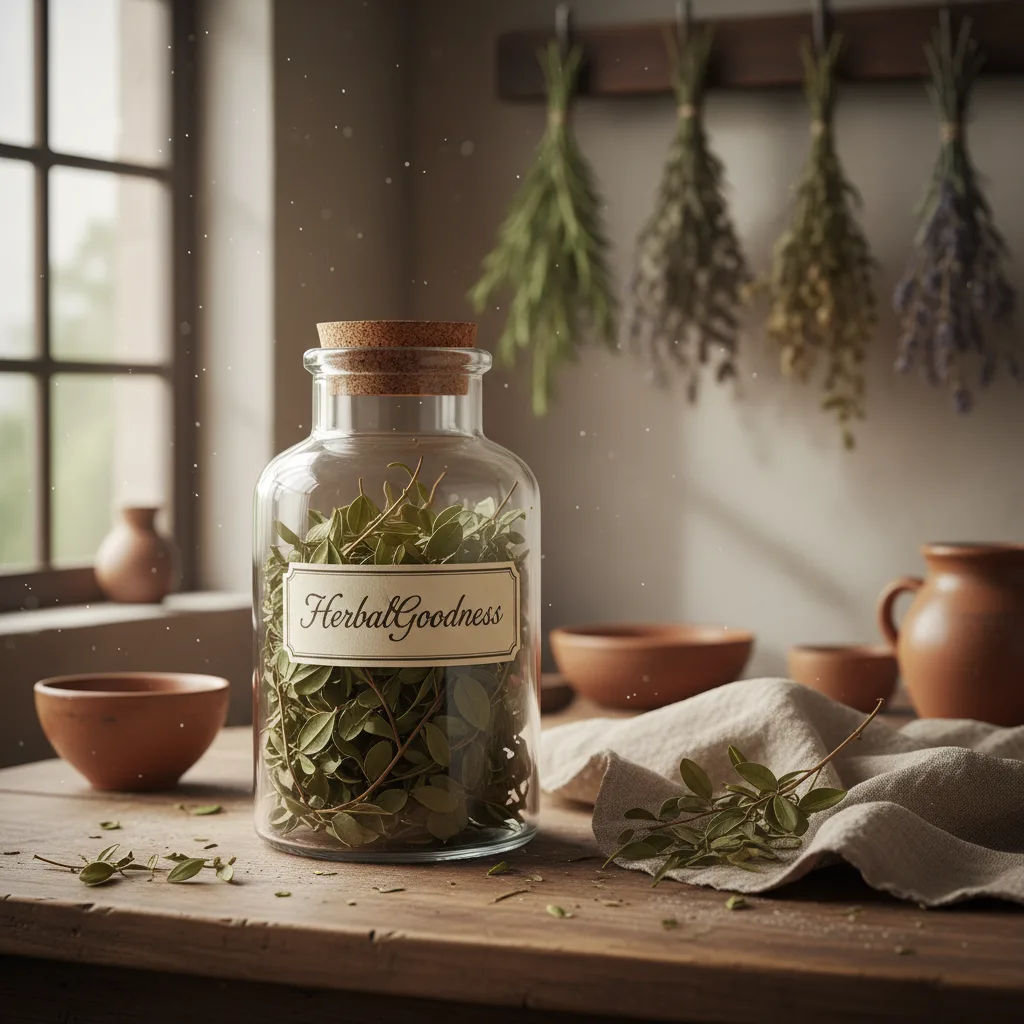
Drying Stonebreaker: Preserving for Freshness and Craft Use
Proper drying transforms freshly harvested stonebreaker into a shelf-stable herb ready for teas, infusions, or crafts.
Air Drying (Traditional & Simple)
- Bundle a small handful of leafy stems with twine.
- Hang inverted in a dry, shaded, well-ventilated space—such as a closet, attic, or screened porch.
- Avoid direct sun, which can degrade color and aroma.
- Drying generally takes 1–2 weeks; check by gently crumbling a leaf, which should break crisply.
Other Drying Methods
- Dehydrator: If humidity is high, use a food dehydrator set to the lowest heat (<95°F/35°C).
- Paper Bag Method: Place loose leaves in a paper bag with small holes, shake daily to encourage air circulation and prevent mold.
Tips for Best Quality
- Handle leaves and stems gently to minimize bruising and loss of natural qualities.
- Discard any leaves showing spots, signs of pests, or mold.
Storing Dried Stonebreaker: Keeping Your Herb Potent and Fresh
Best Storage Practices
- Container: Once thoroughly dried, store in airtight glass jars or tins to shield contents from moisture and air.
- Location: Keep containers in a cool, dark cupboard away from sunlight and heat.
- Labeling: Always write the harvest date on the container; dried stonebreaker is best used within 12 months for peak freshness.
Avoiding Common Pitfalls
- Moisture: Double-check dryness before sealing; any retained moisture can lead to spoilage.
- Odor Contamination: Store away from strongly scented herbs or spices to prevent aroma mingling.
- Light Exposure: Use dark-colored glass or opaque tins if storing in a sunlit kitchen.

Having your own dried or liquid stonebreaker herb also makes it easy to explore plant-based wellness routines at home. For example, Stone Breaker Chanca Piedra - Capsules 10X Extract 60/600mg - Kidney Health provides a convenient and shelf-stable option when you want consistency or just need backup for gaps in your homegrown supply.
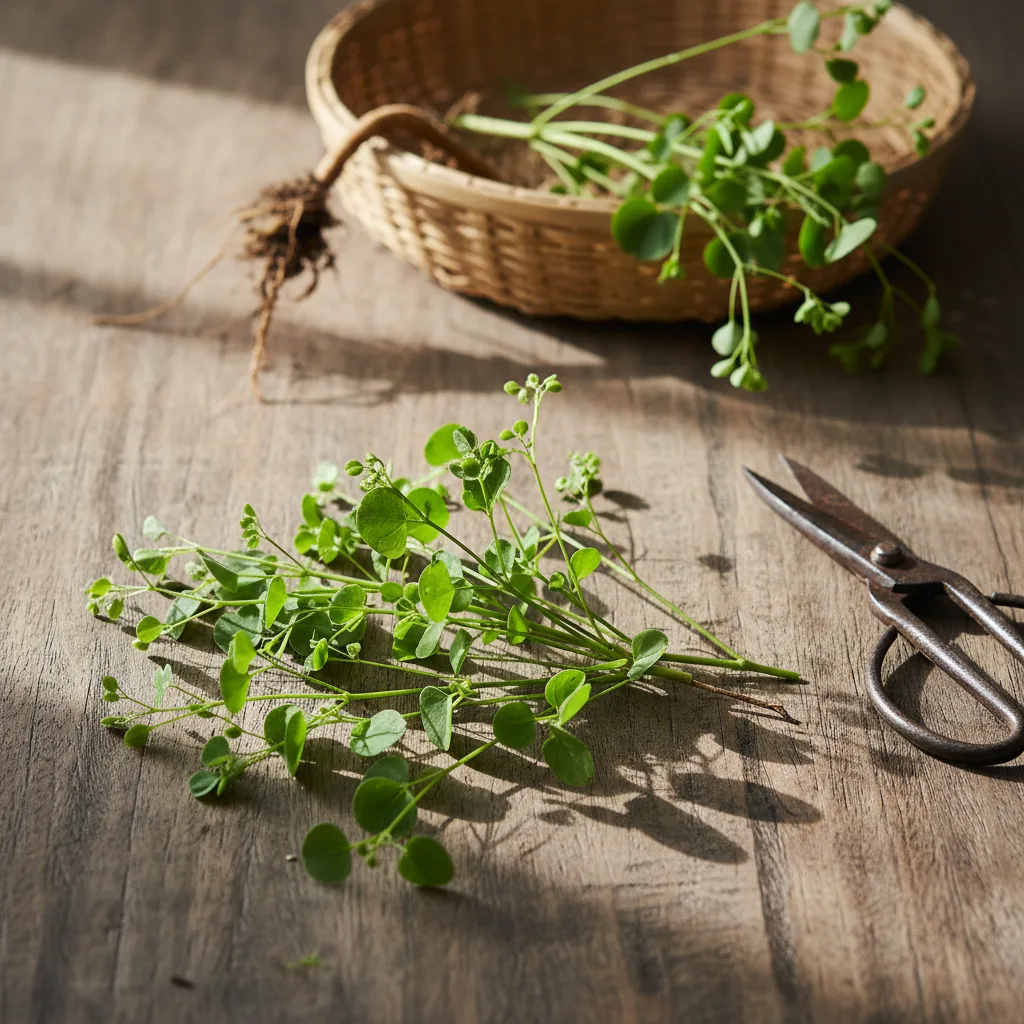
Using Your Homegrown Stonebreaker: Inspiration Beyond the Garden
Your carefully cultivated and preserved stonebreaker is now ready for a range of traditional, non-medical uses:
-
Herbal Teas: Steep dried leaves or stems in hot water for a mild, earthy brew. The ritual of preparing Soursop Leaf Tea Graviola Leaves - Organic 24/2g Tea Bags - Immunity & Cell Renew offers a similar soothing experience with a tropical twist, making it an excellent companion for any homegrown tea collection.
-
Craft Projects: Dried stonebreaker can be incorporated into homemade herbal sachets or botanical displays. Your herb blends can pair well with Bulk Herbs & Roots - Organic 4oz Bags - Herbal Tea for creative and aromatic blends.
-
Tincture Experiments: If you enjoy crafting herbal extracts, stonebreaker offers a traditional candidate to explore. For those seeking ready-to-use plant extracts, consider Stone Breaker Chanca Piedra - 15X Liquid Extract - Kidney Health for a consistent option.
Remember: Always research safe preparation and usage practices, and consult a professional for any health-related questions about herbs.
Frequently Asked Questions About Growing Stonebreaker
What climate does stonebreaker (Chanca Piedra) prefer?
Stonebreaker thrives best in consistently warm, humid environments—mimicking its tropical and subtropical origins. However, with indoor growing or greenhouses, home gardeners in cooler climates can still cultivate this herb year-round.
Can I grow stonebreaker in containers?
Absolutely! Compact and bushy by nature, stonebreaker does well in pots. Choose containers with good drainage and fill with rich, loose potting mix. This flexibility makes it ideal for patios, balconies, or indoor sunny spots. Pairing with Bulk Herbs & Roots - Organic 4oz Bags - Herbal Tea allows you to enjoy even more variety from your indoor herb space.
How long does it take to grow stonebreaker from seed?
With adequate warmth and moisture, stonebreaker seeds germinate in 1–2 weeks. From seed to mature, harvestable plant usually takes 8–10 weeks.
How do I know when to harvest stonebreaker?
Harvest when plants reach 12–18 inches and display vigorous, lush growth. Always pick in the morning, after the dew dries but before direct midday sun, for optimal quality.
What is the best way to dry stonebreaker?
Air-drying in a shaded, ventilated location is the traditional favorite. Small bundles hung upside down will preserve color and aroma. If needed, a food dehydrator set to low works in humid environments.
How should I store dried stonebreaker for later use?
Once completely dried, store the herb in airtight glass jars or tins, out of sunlight and heat. Label the harvest date, and try to use within a year for the best results. For backup blends, Soursop Leaf Tea Graviola Leaves - Organic 24/2g Tea Bags - Immunity & Cell Renew and Bulk Herbs & Roots - Organic 4oz Bags - Herbal Tea are excellent pantry staples.
Can homegrown stonebreaker be used for crafts or homemade teas?
Yes! Dried stonebreaker can add beauty and scent to sachets, infusions, or decorative crafts. Always ensure you’ve cleaned and dried your harvest thoroughly before using it.
Ready to Explore More Garden-Grown Herbs?
Whether you’re new to gardening or an experienced herbalist, growing stonebreaker at home is an accessible journey rich with discovery. Enjoy crafting teas, exploring new herbal projects, and connecting with the traditions of the plant world—starting right on your windowsill or backyard plot.
FAQs:
- What climate does stonebreaker (Chanca Piedra) prefer?
Stonebreaker thrives in warm, humid, tropical or subtropical climates, though it adapts well to containers and indoor growing in cooler regions.
- Can I grow stonebreaker in containers or pots?
Yes, stonebreaker does well in pots with good drainage and rich, loose potting mix, making it suitable for patios, balconies, and sunny interiors.
- How long does it take to grow stonebreaker from seed?
Stonebreaker seeds typically sprout within 1–2 weeks, and mature plants ready for harvest develop in about 8–10 weeks.
- When and how do I harvest stonebreaker?
Harvest once plants reach 12–18 inches tall with lush, green growth. Use clean scissors to selectively cut stems, ideally in the morning once the dew dries.
- What is the recommended way to dry stonebreaker?
Air-drying in a shaded, ventilated space is preferred. Bundle stems and hang them upside down, or use a low-heat dehydrator in humid areas.
- How should I store dried stonebreaker?
Place thoroughly dried stonebreaker in airtight glass jars or tins. Store away from sun and heat, and label with harvest date for freshness monitoring.
- Are there non-medical uses for homegrown stonebreaker?
Yes, dried stonebreaker can be used in herbal teas, craft sachets, homemade infusions, or as a unique addition to decorative botanical projects.
Author Name:
Herbal Goodness Editorial Team
Author Bio:
The Herbal Goodness Editorial Team specializes in holistic health and superfoods, blending science and nature to educate and empower our community.
References:
Introducing Graviola to Young Taste Buds: Fun, Family-Friendly Flavor Exploration
Graviola in the Classroom and at Home: Creative Activities to Teach Kids About Tropical Plants
Why Social Impact Matters in Plant-Based Wellness