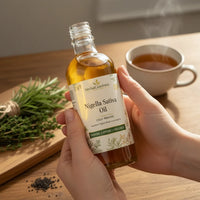
How Black Seed Oil Is Made: From Seed to Bottle and Beyond

Few natural wellness products inspire more curiosity than a bottle of black seed (Nigella sativa) oil. But what does it really mean when we talk about the journey "from seed to shelf to soil"? Understanding the full story of an 8 oz cold-pressed black seed oil bottle—from how the crop is cultivated, to the extraction and packaging decisions, through your use, and finally back to the environment—sheds light not only on quality and purity, but also on environmental stewardship.
Let’s trace the lifecycle of this unique oil, empowering mindful choices at every stage and offering tips to support eco-friendly practices and transparency.
Cultivating Quality: Sowing and Growing Nigella sativa Seeds
The journey begins long before any oil is bottled. Farmers around the world, especially in regions such as Southwest Asia and the Middle East, select and sow Nigella sativa seeds based on climate, soil health, and commitment to sustainable practices.
- Seed Selection: Seed quality directly impacts the oil’s aroma and phytochemical profile. Heritage seeds, known for their resilience and rich oil content, are often preferred by growers dedicated to premium quality.
- Cultivation Practices: Farms may employ organic or regenerative growing methods, forgoing synthetic pesticides and embracing crop rotations that replenish soil health. This approach supports both biodiversity and the long-term vitality of farmland. Choosing brands that are committed to these sustainable practices helps assure both efficacy and minimal environmental impact.
Harvest Timing and Post-Harvest Handling
Harvest typically occurs when the black seed pods mature and dry. Careful timing ensures the seeds retain optimal potency and minimal moisture. Gentle mechanical threshing and air drying prevent contamination, maintaining the integrity of the seed before processing. This attention to detail in the earliest stages sets the foundation for a high-quality product.
From Farm to Factory: Extraction and Production Choices
Once harvested, the journey advances to the oil press. Like harvest, the extraction process is a pivotal point for both product integrity and sustainability.
- Cold Pressing: Many reputable brands, including companies like Herbal Goodness, rely on traditional cold-pressed methods. This technique preserves the oil’s natural compounds without risking nutrient degradation from heat or chemicals.
- Pressing Environment: Food-grade stainless steel, regular equipment cleaning, and eco-friendly processes signal a commitment to safety and purity. Alongside black seed oil, other traditional extracts like the Soursop Leaf Graviola Extract 15X Liquid achieve purity through careful production techniques, preserving their immune-supporting benefits.
Quality Control and Traceability
Responsible producers often use batch tracking and third-party testing for heavy metals or contaminants. Transparency signals such as lot numbers, full ingredient lists, and certification logos on packaging help you confirm the origin and quality of the oil. These measures are equally important when you’re seeking transparency for Organic Papaya Leaf Extract 16oz, another supplement prized for its benefits and strict testing standards.
Packaging: Protecting Freshness and Prioritizing Planet
Using packaging that protects the oil’s freshness while minimizing environmental impact is a balancing act. Amber glass bottles are favored for black seed oil due to their ability to shield contents from light, slowing oxidation. Some brands use recyclable plastics or introduce post-consumer recycled content. Proper bottling processes minimize air contact and employ tamper-evident seals for safety and freshness.
Look for water-based inks or compostable labels—small steps that collectively reduce waste. Efficient packing and regional sourcing can also help lower the carbon footprint associated with shipping black seed oil and other wellness products.

From Shelf to Home: Your Stewardship Begins
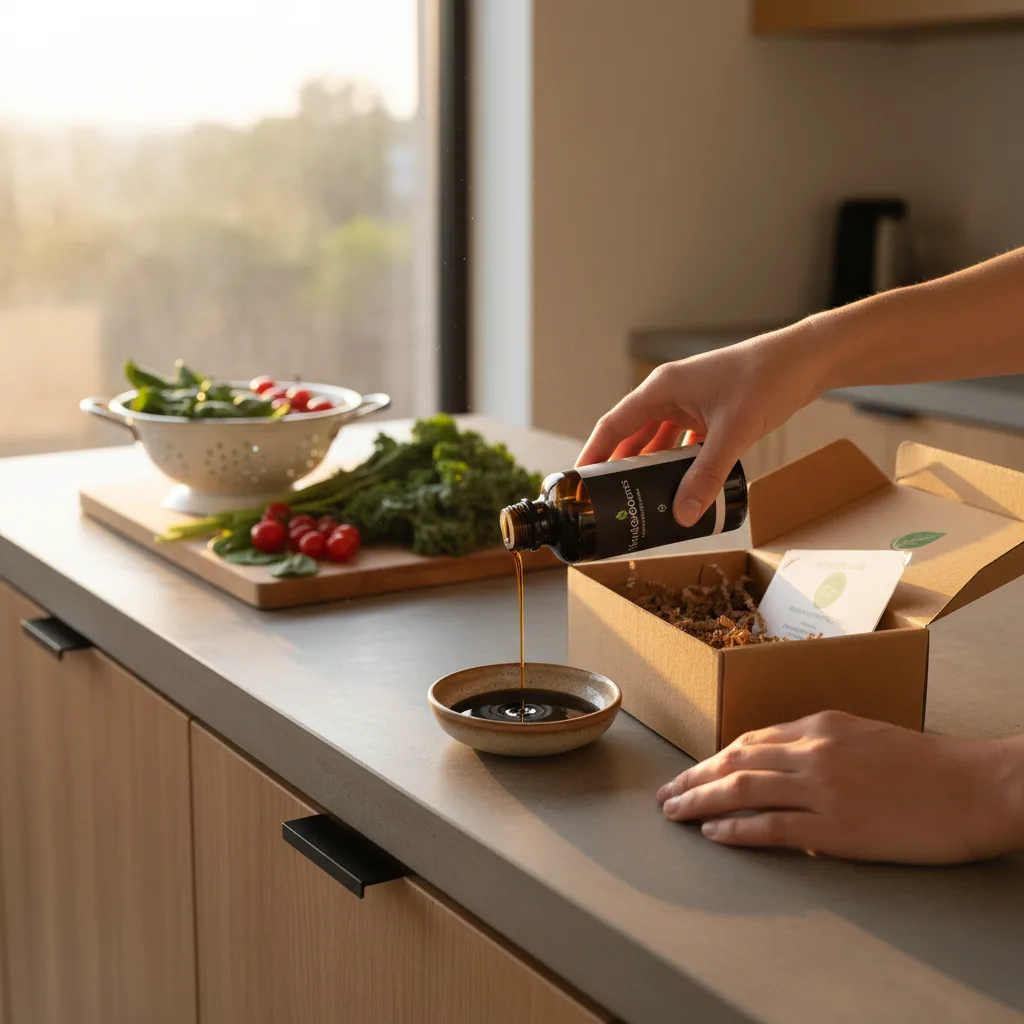
Once a black seed oil bottle lands on a store’s shelf—or is placed on your doorstep after an online order—its journey connects with your choices in storage and daily use. Reviewing the batch and best-by information is an essential step. For optimal quality, store the oil in a cool, dark place and use it before its expiration date.
Using only what you need is a simple way to minimize waste. If your 8 oz bottle comes with a dropper or small measuring cup, it can help you avoid spills or over-pouring, further extending the oil’s value. Consider how these conscious habits apply to all your natural products, such as Raw Sea Moss 8oz Bag, which also benefits from careful storage to preserve its nutrients.
Closing the Loop: End-of-Life Options for Packaging
After the last drop is savored, your empty black seed oil bottle offers opportunities for environmental mindfulness. Rinse the amber glass bottle, remove the label if possible, and recycle it locally; the same goes for many transparent wellness containers. Some supplement caps or droppers are recyclable at mixed-recycling drop-off points, so take an extra moment to check your local guidelines. For creative reuse, washed glass bottles can become spice jars, vases, or small containers for DIY herbal blends. If you use products such as Organic Papaya Leaf Extract 16oz, similar reuse options support a zero-waste lifestyle.
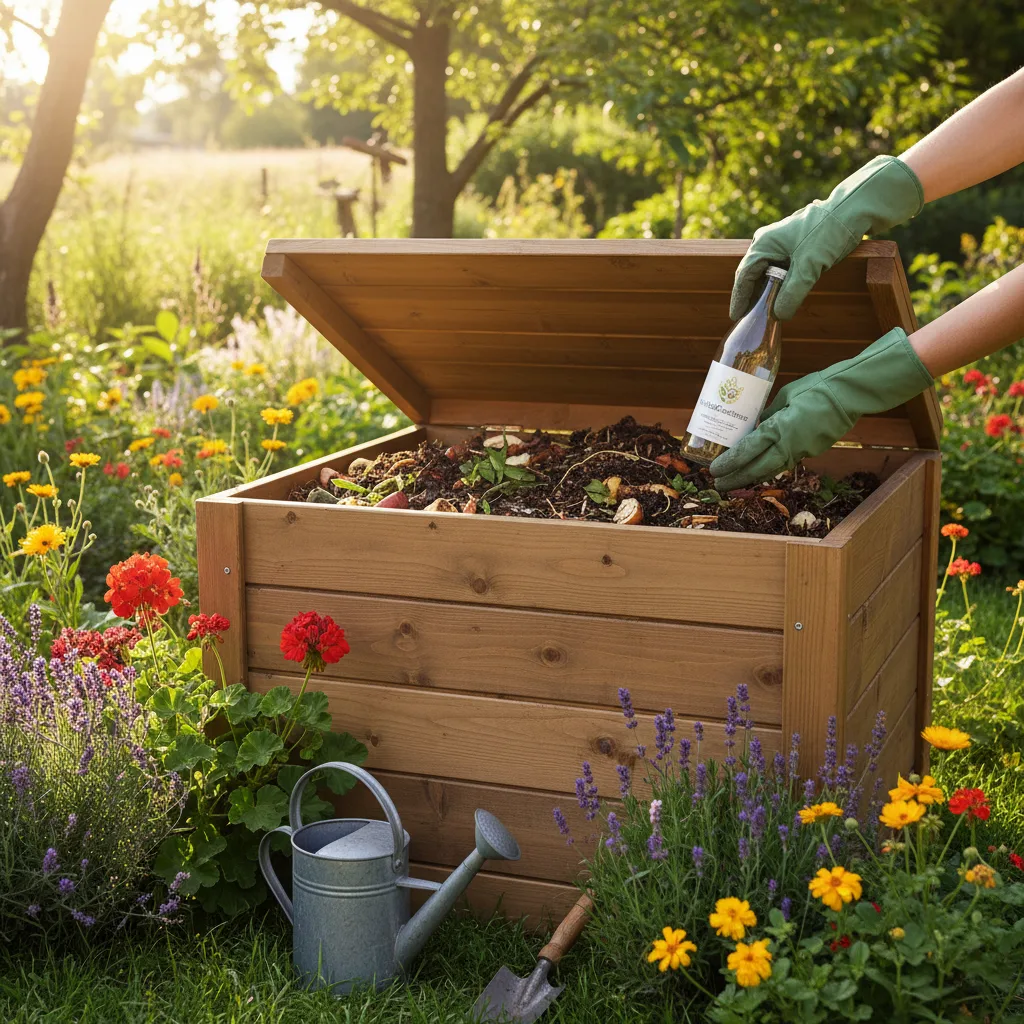
Some wellness stores or local municipal programs offer take-back or collection bins, making it easier to recycle empty supplement bottles. These small steps individually and collectively have a real impact on reducing packaging waste.
Transparency and Certification Signals: What to Look For
With so many options on the shelf, recognizing meaningful transparency is essential. Look for clearly detailed information about the country or specific farm of origin, USDA Organic or Non-GMO certifications, and full ingredient lists just as you would for Soursop Leaf Graviola Extract 15X Liquid. Batch or lot numbers are an added layer of reassurance, ensuring you can trace the product should any issues arise.
Brands prioritizing quality and eco-responsibility typically provide in-depth sourcing and testing information, often visible through QR codes or online traceability tools. These brands also tend to disclose packaging materials and environmental initiatives, so you can make informed, truly sustainable choices.
Tips for Reducing Black Seed Oil’s Environmental Impact
Even small actions matter. Buying only the quantities you’ll actually use, supporting sustainable sourcing, and recycling or upcycling bottles can help minimize your black seed oil’s environmental footprint—and that of other products, too. If you choose natural wellness solutions that offer lifecycle transparency, as seen in Herbal Goodness selections such as Raw Sea Moss 8oz Bag, you further support brands that value our planet.
- Buy Only What You’ll Use: Prevents waste from expired oil
- Support Sustainable Sourcing: Look for organic or regenerative certifications
- Prioritize Brands Disclosing Full Lifecycle Details: This empowers your sustainable decisions
- Recycle or Upcycle Bottles: Extra containers can support zero-waste habits at home
- Spread Awareness: Share knowledge with friends and wellness circles
Mapping the Complete Journey: A Visual Overview
Picture the life cycle of your 8 oz black seed oil bottle:
- Seed Choice and Sowing — Begins with heritage, climate-adapted seeds
- Sustainable Farming — Emphasizes practices that renew soil and conserve water
- Harvest and Handling — Carefully timed and conducted for peak preservation
- Cold-Press Extraction — No chemicals or heat; purity prioritized
- Quality Control — Lab tests, lot numbers, ingredient verification
- Packaging — Amber glass or recyclable plastic, low-impact inks/labels
- Shipping — Efficient, sometimes local, striving for minimal emissions
- Store to Home — Safe, clear labeling, best storage practices
- Home Use — Conscious consumption, waste-minimizing habits
- End-of-Life — Recycling, upcycling, or waste programs return the packaging to the earth or a new use
Embracing this full journey amplifies the personal and planetary value of each bottle.
Making Sustainable Choices with Black Seed Oil
Informed by the steps from seed to shelf to soil, your actions—whether reading a label, choosing a certified or transparent brand, or responsibly recycling—truly make a difference. By mapping the lifecycle of your black seed oil, you become an active steward of both your own wellness rituals and the natural world. Herbal Goodness and like-minded companies continue to champion practices that respect the interconnectedness of people, plants, and planet.
Frequently Asked Questions
Question 1: What is the benefit of choosing cold-pressed black seed oil?
Answer: Cold-pressed extraction preserves natural compounds and nutrients, which helps maintain potency and purity. Choosing Black Seed Oil 8oz | Cold-Pressed Nigella Sativa – Immune & Daily Wellness ensures you're getting minimally processed oil.
Question 2: How can I recycle or reuse my empty wellness bottles?
Answer: Wash and recycle glass containers with your local program, and check about recycling caps or droppers at mixed-recycling points. Bottles from products like Organic Papaya Leaf Extract 16oz can also be repurposed for storage or crafts.
Question 3: Which certifications should I look for on supplement labels?
Answer: Seek products labeled USDA Organic, Non-GMO Project Verified, and look for complete ingredient lists. Soursop Leaf Graviola Extract 15X Liquid and black seed oil often carry these marks.
Question 4: How do I store black seed oil to keep it fresh?
Answer: Store black seed oil in a cool, dark place away from direct sunlight. Proper storage for products such as black seed oil bottle slows oxidation and keeps it potent.
Question 5: What are some sustainable supplements to pair with black seed oil?
Answer: Raw Sea Moss 8oz Bag and Organic Papaya Leaf Extract 16oz are sustainably sourced options that support whole-body wellness.
Question 6: How does upcycling supplement bottles help the environment?
Answer: Upcycling gives supplement bottles a second life—as spice jars or DIY blend containers—reducing landfill waste. Consider using clean bottles from your wellness products for creative purposes at home.
Explore the lifecycle of your wellness products and embrace small changes, like responsible recycling and mindful sourcing, for a more sustainable journey with black seed oil.
About the Author
Herbal Goodness Editorial Team
The Herbal Goodness Editorial Team specializes in holistic health and superfoods, blending science and nature to educate and empower our community.
References
Black Seed Oil for Pets: A Practical Guide to Clean Organic Options Online
5 Questions to Ask Before Buying Black Seed Oil: Dropper Bottle vs Capsule
Choosing Organic Black Seed Oil for Hair: A Beginner’s Online Buying Guide