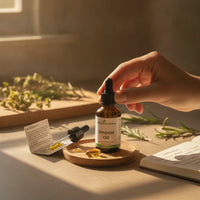
How to Read Oregano Oil Dosage Labels: A Plain-English Guide for Adults

Understanding how to read oregano oil dosage labels can feel overwhelming, especially with so many terms, concentration numbers, and product formats on the shelves. For adults interested in exploring oregano oil, knowing how to interpret a label is essential for smart, safe, and effective consideration. This plain-English guide will help you make sense of label jargon, convert serving units, spot important safety signals, and know which thoughtful questions to bring to your healthcare provider or pharmacist before you start using any new oregano oil supplement.
Why Oregano Oil Labels Seem Complicated
When you pick up a bottle of oregano oil, you're often faced with a lot more than just serving instructions. The supplement aisle is filled with various forms like liquid extracts, capsules, and softgels, each with its own dosing math. Concentration percentages, complicated extract ratios, and warnings in fine print can make the process feel more puzzling than it needs to be. Understanding the basics behind these terms equips you to compare products confidently and to better gauge your individual needs.
For instance, Oil of Oregano 75% Carvacrol | 2oz – Potent Immune & Antifungal Support stands out for its clear labeling and quality formulation, providing transparency around carvacrol content so users can make informed choices. Just as you’d look for clarity in oregano oil, this approach can be applied when comparing other herbal products, such as Black Seed Oil 8oz | Cold-Pressed Nigella Sativa – Immune & Daily Wellness, where ingredient integrity is paramount.
What Does Carvacrol % Mean on Oregano Oil Labels?
One of the most common things you’ll see highlighted on oregano oil packaging is the carvacrol percentage. Carvacrol is a naturally occurring compound found in oregano essential oil and is often cited as a core active constituent.
- Carvacrol % tells you what percentage of the product consists of this specific plant compound.
- For example, a label might read: “Standardized to 70% carvacrol.” This means that 70% of the oil in that serving (not the whole bottle) is carvacrol.
- A higher carvacrol % does not always mean a better product: Responsible sourcing, purification methods, and supporting constituents in the oil all play important roles.
- Focus on the whole product’s makeup, not just the highest number.
If you're shopping for maximum potency, products standardized for carvacrol, like Oil of Oregano 75% Carvacrol, provide clear information that can help you compare options and dosing protocols with confidence.
Understanding Oregano Oil Extract Ratios: 10:1, 4:1, and More
Extract ratios are another key item. They show how much dried oregano plant was used to produce the oil.
- 10:1 Ratio: This means 10 parts of oregano were used to make 1 part extract. So, each dose is more concentrated than a 4:1 ratio.
- Why It Matters: Higher ratios can mean fewer ‘extras’ in the extract, but the final strength also depends on how the plant was extracted and how much active compound is present.
- How to Use Ratios: Use extract ratios as a guide to the relative strength of a formula, but always consider them alongside carvacrol percentages and serving sizes.
Those seeking other concentrated herbal solutions often opt for products with clear ratio displays, as seen in Blood Platelet Plus Capsules 20X | 60ct – Advanced Platelet Formula, which notes its significant extract strength per serving on its label.
Liquid Drops vs. Capsules: How Dosages Change by Format
Oregano Oil Liquid Drops
Labels may state how many drops equals one serving. You might see “4 drops (0.16 mL) per serving.” Pay attention to the total carvacrol or total oregano oil per drop, if given. This exact measurement matters for products offered in dropper bottles, which makes titration simple but requires reading the label for unit equivalency.

Oregano Oil Capsules and Softgels
Doses are often measured in milligrams (mg) per capsule. Some may only list total oregano oil, while others specify standardized carvacrol content. Capsules, like Blood Platelet Plus Capsules 20X, make standardized dosing easy, but liquids let you precisely adjust the amount you take.
How To Make the Formats Comparable
If you want to compare a 150 mg oregano oil capsule to a liquid dropper where each drop is 5 mg, simple math can help:
- Multiply the drop’s mg by the number of drops per serving.
- For liquids, mg/mL conversion is often on the label. For example, “Each mL contains 50 mg oregano oil.”
- For capsules, check both the per-capsule and total serving strength.
If precise conversions are needed, reference formulations that provide serving details, such as Oil of Oregano 75% Carvacrol, for clarity.
Converting Drops to Milliliters (mL): Simple Method
Labels for oregano oil drops typically give serving sizes in drops and/or milliliters. If you want to compare:
- 1 mL usually equals about 20 drops (but this number can vary based on liquid thickness).
- Formula: Total mg per mL ÷ 20 = estimated mg per drop.
Example: If the label says 40 mg oregano oil per mL: 40 mg / 20 drops = 2 mg oregano oil per drop
Always use the label’s own conversion or call the company if unsure, since dropper size and viscosity can affect actual drop count.
If you value precise measurement, verify the dropper's specifics or try products with well-documented liquid and capsule dosages such as Black Seed Oil 8oz | Cold-Pressed Nigella Sativa, which offer clear serving information.

Reading Labels: The Most Important Sections to Check
When assessing any oregano oil product, focus on these parts of the label:
- Supplement Facts Panel: Shows serving size, amount per serving, and often carvacrol percentage.
- Suggested Use or Directions: Indicates how the manufacturer recommends taking it (e.g., with food, number of drops or capsules, frequency).
- Ingredients List: Reveals if the product includes carrier oils (like olive oil), fillers, or other botanicals.
- Standardization Statement: Notes whether the extract is standardized to a specific carvacrol percentage.
- Warnings/Precautions: Reads for information on who should not use the product, such as pregnant or nursing individuals, children, or those with certain allergies.
- Quality Seals and Certifications: These may indicate third-party testing, GMO status, or adherence to manufacturing standards.
Comparing these sections across products is easier with clear and transparent labeling. For those looking at other botanicals, items like Blood Platelet Plus Capsules 20X and Oil of Oregano 75% Carvacrol are strong examples to benchmark.

Common Oregano Oil Labeling Pitfalls
Navigating supplement labels can be tricky. Here are some traps to avoid:
- Focusing Only on Carvacrol %: Some products tout a high percentage but offer very small amounts per serving.
- Serving Size Confusion: Confirm if dosing instructions are for an entire dropper, a single drop, or another measurement.
- Misleading Potency Claims: Watch for the difference between total oil quantity and standardized extract amount.
- Lack of Transparency: If the label does not disclose carvacrol %, extract ratio, and total oregano oil, ask for clarification before purchasing.
This is why a scrutinized approach is vital—similarly, choosing Blood Platelet Plus Capsules 20X ensures you get the claimed potency in an easy-to-understand form.
Key Safety Signals to Watch For
While oregano oil is considered generally safe for healthy adults at recommended servings, there are several label cues to consider regarding safe use:
- Allergen Statements: Check for mentions of potential allergens or cross-contamination.
- Carrier Oil Type: Olive oil is a common base, but some individuals may react to other carriers.
- Usage Warnings: Pay attention to advice for pregnant, breastfeeding, or medically sensitive individuals.
- Quality Assurance Seals: These can help you identify products from reputable manufacturers that follow good manufacturing practices.
If you have allergies or sensitivities, detailed labels or product transparency—such as seen in Black Seed Oil 8oz—provides peace of mind.
Smart Questions to Ask a Clinician or Pharmacist Before Trying Oregano Oil
For adults thinking about adding oregano oil to their supplement routine, it’s always wise to get professional input. Consider bringing the following questions to a healthcare provider or pharmacist:
- What serving form—liquid, capsule, or another—is a better fit for my preferences?
- Are there any ingredients in this oregano oil that may not be suitable for me?
- Is the carvacrol concentration or extract ratio relevant to what I’m seeking?
- Can oregano oil be safely combined with my other supplements or routines?
- Are there any possible side effects for people with my lifestyle or sensitivities?
- What serving size and frequency is best for my specific wellness goals and general health profile?
Bringing the label with you to your appointment ensures you have accurate, specific information to discuss, promoting a smarter and more tailored experience. Consulting on supplements—whether oregano or alternative extracts like Black Seed Oil 8oz—helps avoid unintended interactions.
Putting It All Together: How to Read Labels With Confidence
Learning how to read oregano oil dosage labels doesn’t require a background in science—just a clear method and a little attention to detail. By understanding key terms like carvacrol percentage and extract ratios, translating drops to milliliters, and being aware of formulation differences between liquids and capsules, adults can navigate oregano oil options confidently. Always consider safety signals, stay informed about serving details, and seek professional guidance when making decisions about herbal supplements.
For those looking for high-quality oregano oil options, Oil of Oregano 75% Carvacrol crafts its formula with transparency and clear labeling in mind, supporting individuals as they decipher key information and make educated choices in their wellness journey.
Frequently Asked Questions
Question 1: What is carvacrol and why does its percentage matter on oregano oil labels?
Answer: Carvacrol is a primary active compound in oregano oil, and the carvacrol percentage indicates how much of the oil is composed of this specific constituent. This helps gauge potency, but it’s important to also consider product quality and formulation, as seen in Oil of Oregano 75% Carvacrol.
Question 2: How do I compare capsules and liquid drops of oregano oil?
Answer: Check milligrams per serving for both forms, and look for labels that provide clear conversions. For example, if a drop contains 5 mg and you take 4 drops, that’s 20 mg per serving. Compare this to the mg listed per capsule to make an informed decision. Standardized and clear options, like Blood Platelet Plus Capsules 20X, make comparisons simpler.
Question 3: What common pitfalls should I avoid when reading oregano oil supplement labels?
Answer: Don’t focus only on carvacrol %. Check the serving size, ingredient list, and whether potency claims refer to the oil or the active extract. Transparency is key—opt for products like Oil of Oregano 75% Carvacrol with fully disclosed content and strength.
Question 4: Why should I check for allergens and carrier oils on oregano oil labels?
Answer: Carrier oils (such as olive oil) and allergens can affect people with sensitivities. Reading labels closely or choosing transparent products, such as Black Seed Oil 8oz, is recommended to minimize risk.
Question 5: Should I consult a healthcare provider before taking oregano oil?
Answer: Yes. Speaking with a clinician or pharmacist helps you select the safest form and dosage, and clarifies potential interactions with other supplements or medications. Bringing your exact label ensures more specific guidance.
Question 6: Is a higher carvacrol percentage always better?
Answer: Not necessarily. While a high percentage like that in Oil of Oregano 75% Carvacrol indicates potency, overall product quality, purity, and appropriate dosage are equally important.
Question 7: How do quality assurance seals help with product selection?
Answer: Quality seals indicate third-party testing and adherence to manufacturing standards, giving you confidence in product safety and efficacy. Look for these details when browsing any herbal supplement.
Taking time to learn how to read oregano oil dosage labels empowers you to make informed, thoughtful decisions. Before trying any new oregano oil product, use this guide as a reference and connect with a clinician or pharmacist for further clarity tailored to your needs.
About the Author
Herbal Goodness Editorial Team
The Herbal Goodness Editorial Team specializes in holistic health and superfoods, blending science and nature to educate and empower our community.
Related Articles
High-Carvacrol Oregano Oil: How to Choose the Best Blend
Where to Buy Oil of Oregano Liquid Extract Online: Complete Guide
Oregano Oil and Infections: What Research Really Shows About Its Uses