How to Spot Quality and Adulteration When Buying Hibiscus Tea Online

Shopping for hibiscus tea online opens up a vibrant world of floral, tart flavors and wellness traditions. Yet, navigating digital shelves can be tricky—especially when you want the real thing. Adulteration and quality inconsistencies in the herbal tea market mean that knowing how to spot high-quality hibiscus tea online is essential. This practical guide explains what to look for in listings, packaging, and supplier details, so you can confidently purchase authentic hibiscus tea and avoid disappointing surprises.
Understanding Hibiscus Tea Quality: What Sets It Apart
Hibiscus tea is cherished worldwide for its striking red color, tangy flavor, and traditional uses. True hibiscus tea is typically made from the dried calyces of Hibiscus sabdariffa. Because global demand is rising, some sellers may dilute or substitute the product with other plants, petals, or fillers. Recognizing genuine hibiscus tea—and knowing what could be hiding in your cup—empowers you as a smart buyer.
For those seeking authentic herbal infusions, Hibiscus Tea - Organic 24/2g Tea bags - Heart Health offers a convenient and reliable option, emphasizing purity and wellness benefits for tea lovers.
The Visual and Sensory Clues
While you can’t always touch or smell the tea when shopping online, product photos and descriptions provide valuable hints:
Color:
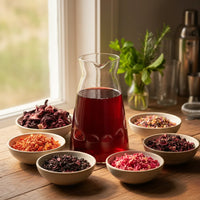
- Authentic dried hibiscus should display deep ruby red or burgundy hues. Faded browns or uneven coloring may indicate old stocks or adulteration with non-hibiscus material.
Shape and Cut:
- Hibiscus tea is often sold as whole calyces (flower parts), coarse-cut pieces, or tea bags. Whole, intact calyces suggest minimal processing, while fine powders could be harder to visually verify.
- Look for uniformity—mixed shapes or dusty residues can signal blends or adulterants.
Aroma (as described):
- Listings may mention a tart, cranberry-like scent. If reviews note mustiness or lack of aroma, be cautious.
If you prefer variety, consider the Herbal Tea Trio - Guava, Hibiscus & Avocado - Bundle (3 Packs), which combines popular wellness teas for something new in your daily routine.
Common Signs of Adulteration in Hibiscus Tea
Adulteration can range from harmless bulking with cheaper botanicals to the use of colorants, fillers, or entirely different flowers. Watch out for these red flags:
Blended Petals:
- Some sellers mix hibiscus with rosehips, hibiscus relatives, or even dyed leaves to cut costs. This may result in uneven coloring and unfamiliar aromas.
Unusual Additives:
- Artificial dyes or flavorings are uncommon but possible. An uncharacteristically bright or unnatural color in product images is a warning sign.
Excess Stem or Leaf Parts:
- Authentic hibiscus tea prioritizes the calyx. An abundance of green material or stem fragments may suggest leftover plant parts, not choice flower calyces.
Overly Cheap Pricing:
- While deals exist, prices far below market average may reflect lower purity or questionable sourcing.
Bulk wellness enthusiasts exploring various herbs for tea blends may also be interested in our organic herbal teas, ensuring flexibility and transparency for your herbal tea creations.

Deciphering Labels and Certifications
What Meaningful Labels Should Include
Reading labels and online product descriptions is crucial:
- Botanical Name: Authentic hibiscus tea should be labeled “Hibiscus sabdariffa.” Vague terms like “herbal blend” may hide substitutions.
- Country of Origin: Countries such as Nigeria, Egypt, and Thailand are leading hibiscus producers. Transparent origin information usually reflects better sourcing.
- Ingredients List: Pure hibiscus tea should list only “organic hibiscus,” “hibiscus calyces,” or similar. Additional herbs or flavorings must be clearly identified.
Third-Party Testing and Independent Certifications
Certifications can help build trust:
- USDA Organic or Equivalent: Indicates the tea was grown without certain synthetic chemicals or pesticides.
- Non-GMO Verified: Shows assurance that the plant material has not been genetically modified.
- Fair Trade: Reflects ethical sourcing, benefiting growers and communities.
- Lab Test Results: Some quality sellers mention third-party lab testing for purity, safety, or the absence of contaminants. This transparency is a strong quality signal, especially when certificates are available upon request.
Look for third-party logos and ensure that the seller can explain or show relevant certification when you consider products such as Hibiscus Tea - Organic 24/2g Tea bags - Heart Health.

Evaluating Seller Credibility and Reputation
When buying hibiscus tea online, researching the seller’s track record is essential:
Check Reviews and Ratings:
- Look for consistent positive feedback about freshness, color, and taste. Independent reviews are especially valuable.
Transparency:
- Reputable sellers share details about their sourcing, production methods, and partnerships. A lack of information or evasive responses to inquiries can be a concern.
Return and Quality Guarantees:
- Thoughtful return policies suggest the seller is confident in their product and values customer satisfaction. If you’re searching for fresh ways to enjoy superfood teas, explore options like Herbal Tea Gift Set – Wellness Tea Gift Variety Collection - Organic 24 Teabags, which allow you to sample and share with confidence.

Key Questions to Ask Sellers Before Buying Hibiscus Tea
Protect yourself by asking sellers practical questions:
- Is this hibiscus tea made from Hibiscus sabdariffa calyces?
- Where is your hibiscus sourced and processed?
- Do you have third-party lab testing results for this batch?
- Are there any additives, colorants, or blends in this product?
- How do you store and package your hibiscus tea to maintain freshness?
- What certifications do you hold (organic, fair trade, etc.)?
Those seeking the flexibility to blend different botanicals at home may find our Bulk Herbs collection useful for their herbal tea projects.
Sellers with quality tea will be able—and willing—to answer these questions directly.
Reducing Risk When Shopping for Hibiscus Tea Online
A few proactive steps can steer you toward quality:
Start Small:
- Buy a small quantity first to evaluate the product.
Inspect on Arrival:
- Once delivered, examine the tea’s color, shape, and aroma. Take note if the tea looks faded, fragmented, or dull.
Store Properly:
- Proper storage at home helps maintain quality—keep hibiscus tea in a cool, dark, and airtight container. For those interested in preserving a range of teas, Papaya Leaf Tea - Organic 24/2g Tea Bags makes a flavorful addition alongside hibiscus for wellness enthusiasts.
Understanding Herbal Goodness Standards (When Relevant)
Some reputable brands, such as Herbal Goodness, highlight sourcing standards and transparency when describing their hibiscus offerings. These include detailed product descriptions, third-party verifications, and clear communication about origin, harvest, and processing. While not every brand provides the same level of detail, seeking sellers with a commitment to quality and transparency helps ensure you get authentic hibiscus tea.
Upgrading Your Confidence as a Tea Buyer
Learning to spot quality hibiscus tea online empowers you to make informed choices—and savor more rewarding cups. By focusing on visual clues, clear labeling, seller transparency, and the right questions, you can sidestep common pitfalls and develop greater confidence as a smart herbal tea buyer.
Take your time researching, ask smart questions, and always choose hibiscus tea sources you can trust for a more satisfying shopping experience.
FAQs:
- What color should authentic dried hibiscus tea be?
Quality hibiscus tea typically has a deep red or burgundy appearance. Excessive brown, green, or uneven colors may signal poor quality or adulteration.
- Why is botanical name important on a hibiscus tea label?
Listing the botanical name, such as 'Hibiscus sabdariffa,' helps confirm that you are buying authentic hibiscus tea rather than a blend or substitute.
- Are third-party lab tests useful when buying hibiscus tea online?
Yes, sellers that share third-party lab testing results offer greater transparency about purity and safety, helping buyers trust the tea's authenticity.
- Can additives or blended teas affect hibiscus quality?
Yes, some sellers may blend hibiscus with other botanicals or add colorants to cut costs, which can change the tea’s flavor, color, and overall quality.
- What is a fair market price for quality hibiscus tea?
Prices vary, but authentic hibiscus tea tends to fall within a moderate range. Extremely low prices may indicate lower purity or questionable sourcing.
- How can I verify the origin of my hibiscus tea?
Check for transparent country-of-origin information on product descriptions, and don’t hesitate to ask the seller for more sourcing details if needed.
- What should I do if I suspect my hibiscus tea is not authentic?
Reach out to the seller with your concerns, keep packaging for reference, and consider leaving feedback to help other buyers make informed choices.
Author Name:
Herbal Goodness Editorial Team
Author Bio:
The Herbal Goodness Editorial Team specializes in holistic health and superfoods, blending science and nature to educate and empower our community.
References:
Introducing Graviola to Young Taste Buds: Fun, Family-Friendly Flavor Exploration
A World Map of Adaptogenic Herbs: Origins & Traditions