How to Take Oil of Oregano with Black Seed Oil: Dosage, Timing & Safety Tips

If you've spent any time in the herbal wellness space lately, you've probably noticed oil of oregano and black seed oil showing up together constantly — in routines, in bundles, in "what I take daily" videos. It's not just a trend for trend's sake. These two oils have distinct, complementary properties, and pairing them is actually a fairly old idea dressed up in modern packaging.

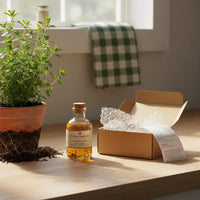
Both oils from this guide, bundled
Oil of Oregano + Black Seed Oil Bundle
Oil of Oregano 2 oz (75% carvacrol) + Cold-pressed Black Seed Oil 8 oz · $69.95
Shop now →But combining two potent botanical oils isn't quite as simple as "just take both." Getting the ratio, timing, and method right matters — both for comfort and for getting the most out of each oil. Here's a practical, no-fluff guide to how it's actually done.
What Makes These Two Oils Different
Oil of oregano is steam-distilled from Origanum vulgare, the same plant family as culinary oregano, but far more concentrated. Its standout compound is carvacrol, a natural phenol that's been studied for its role in supporting a healthy internal microbial environment. High-quality oregano oils are often standardized to a specific carvacrol percentage (commonly 70–75%) so you know exactly what you're getting.
Black seed oil comes from Nigella sativa, sometimes called "the seed of blessing," and has a documented history of traditional use spanning thousands of years. Its key compound, thymoquinone, has been researched for its role in supporting a balanced inflammatory response and general cellular wellness.
The two oils aren't interchangeable — they're complementary. Oregano oil tends to feel intense and "hot," while black seed oil is milder, earthier, and often used as a daily foundational oil rather than a short-term, targeted one.
Why People Combine Them
There are a few practical reasons this pairing has become popular beyond "more is better":
- Black seed oil acts as a natural buffer. Oregano oil is extremely potent and can cause a strong burning sensation if taken undiluted. Mixing it into black seed oil softens that intensity considerably, making it easier to take internally.
- Different use patterns. Oregano oil is typically used in short, targeted cycles, while black seed oil is more often taken daily as a steady wellness anchor. Combining them lets you use oregano's short-term intensity alongside black seed's daily consistency.
- Broader botanical coverage. Because the two oils have different bioactive profiles (carvacrol vs. thymoquinone), some people prefer using them together rather than relying on just one.
A quick note on getting started: if you're sourcing these separately, it's worth checking that both oils list a clear concentration (like 75% carvacrol for oregano oil) so your dilution math is accurate. The Oil of Oregano + Black Seed Oil Bundle pairs both at known, labeled strengths — which removes the guesswork covered in the next section.
How to Take Them Together: Step by Step
Internal Use (Diluted)
This is the most common method, and dilution is non-negotiable — oregano oil should never be taken undiluted internally.
- Start with a small amount of black seed oil (about 1 teaspoon).
- Add 1–2 drops of oil of oregano. Do not exceed this ratio if you're new to the combination.
- Stir or shake gently to combine.
- Take the mixture directly, or stir it into a small amount of water or juice.
- Follow with a full glass of water.
Frequency: Many people take this mixture once or twice daily, though some concentrated protocols use it up to three times daily for short periods. As always, follow the specific dosage guidance on your products' labels, since concentration varies by brand.
Topical Use
For skin application, the dilution needs to be even more generous:
- Mix 1–2 drops of oregano oil into a full tablespoon of black seed oil (or another carrier oil).
- Never apply oregano oil undiluted directly to skin — its high carvacrol content can cause significant irritation.
- Patch-test on a small area first, especially if you have sensitive skin.
Aromatic Use
If you're using the pairing for aromatic purposes rather than ingestion, a much lighter dilution works: roughly 1 drop of oregano oil to 2–3 teaspoons of black seed oil in a diffuser blend.
Timing: Does It Matter When You Take It?
A few patterns tend to work best:
- With food. Taking the combination alongside a meal helps ease any digestive sensitivity and may support absorption of the fat-soluble compounds in both oils.
- Cycling oregano oil. Because it's so potent, oregano oil is often used in cycles — for example, 10–14 days on, followed by a 5–7 day break — rather than continuously, indefinitely. Black seed oil, by contrast, is generally considered suitable for more consistent daily use.
- Consistency over precision. As with most herbal routines, taking the combination at roughly the same time each day tends to matter more than the exact hour you choose.
Softgels vs. Liquid: How to Compare Oil of Oregano and Black Seed Oil Products
Many people searching for this pairing are choosing between a combined softgel, such as Resilia's oil of oregano with black seed oil, and liquid oils like ours. Both formats can work well. The right choice depends on how you like to take supplements and how much control you want over the amounts. Here's how to compare any two products side by side.
| Combined softgels | Separate liquid oils | |
|---|---|---|
| Convenience | Very easy: no measuring, no taste, travel-friendly | Takes a few seconds to measure drops and dilute |
| Taste and burn | Little to none, because the oil is sealed in a capsule | Oregano oil is strong and "hot", so always dilute it in water, juice or a carrier oil |
| Control over amounts | Fixed ratio of oregano to black seed oil in every softgel | Adjust each oil on its own, for example daily black seed oil with oregano oil only during short cycles |
| Concentration on the label | Check for the mg of each oil per softgel and the carvacrol %. Some list only a total blend weight. | Check the carvacrol % for oregano oil (ours is 75%) and whether the black seed oil is cold-pressed |
| Other ingredients | Softgel shells are usually gelatin (not vegan) or plant-based. Check for added oils or fillers. | Usually just the oil, plus a carrier for oregano oil |
| Other uses | Taken by mouth only | Can also be diluted for topical or aromatic use, and black seed oil can go into food |
| Value | Compare the price per day at the same serving | A 2 oz oregano oil and an 8 oz black seed oil usually last many weeks |
Label checklist for any brand:
- Is the carvacrol percentage stated for the oregano oil?
- Is the black seed oil cold-pressed Nigella sativa, ideally with thymoquinone content listed?
- Are the amounts of each oil per serving listed, not just a "proprietary blend"?
- Is the product third-party tested, with a lot number and expiration date on the bottle?
- Does it list every other ingredient (shell, carrier oils, flavors)?
Worried about counterfeits when buying online? See our guide on how to spot fake oil of oregano.
Prefer liquids? Our Oil of Oregano + Black Seed Oil Bundle pairs 75% carvacrol oregano oil (2 oz) with cold-pressed black seed oil (8 oz), so you can set your own ratio. It costs less than buying the two separately.
Common Mistakes to Avoid
- Skipping dilution. This is the most common (and most uncomfortable) mistake. Oregano oil taken undiluted can cause a burning sensation in the mouth and throat.
- Using too much oregano oil relative to black seed oil. More is not better here — oregano oil's potency means small amounts go a long way.
- Taking oregano oil continuously without breaks. Long-term, uninterrupted use isn't typically recommended; cycling is the more common approach.
- Assuming all products have the same concentration. Carvacrol percentage in oregano oil and thymoquinone content in black seed oil can vary meaningfully between brands, which affects how much you should use.
Who Should Be Cautious
- Pregnant or nursing individuals should avoid concentrated oregano oil preparations unless supervised by a healthcare professional. Black seed oil is generally considered the gentler of the two in this context, but professional guidance is still recommended.
- Anyone on prescription medications — particularly blood thinners or diabetes medications — should check with their doctor first, as both oils have been studied for effects that could interact with certain drug classes.
- People with known allergies to plants in the Lamiaceae (mint) family should be cautious with oregano oil specifically.
- Anyone new to either oil should start with the lower end of any dosage range and observe how their body responds before increasing.
Final Thoughts

Pairing oil of oregano with black seed oil isn't complicated once you understand the basics: dilute properly, respect the ratio, cycle the oregano oil rather than using it continuously, and stay consistent with whatever routine you settle into. Used thoughtfully, it's a straightforward way to incorporate two well-established botanical oils into a daily wellness practice.
If you'd like to try this pairing without guessing on sourcing or concentration, the Oil of Oregano + Black Seed Oil Bundle pairs a 75% carvacrol oregano oil with cold-pressed black seed oil — both third-party tested, so you're starting with a known, consistent concentration.
Frequently Asked Questions
Can I take oregano oil and black seed oil together every day?
Black seed oil is generally suited to daily use. Oregano oil is more commonly used in shorter cycles rather than continuously — check your specific product's guidance.
What's the right ratio of oregano oil to black seed oil?
A common starting point is 1–2 drops of oregano oil per teaspoon of black seed oil, but always defer to the dosage instructions on your specific products, since concentrations vary.
Is it safe to take oregano oil undiluted?
No — oregano oil is highly concentrated and can cause burning or irritation if taken undiluted, whether internally or on the skin. Always dilute in a carrier like black seed oil.
How long does it take to feel a difference?
This varies significantly by individual and depends on consistency of use, overall diet, and lifestyle factors. There's no fixed timeline.
Ready to try the pairing? Shop Oil of Oregano + Black Seed Oil Bundle →
Only need one of the oils? Try Oil of Oregano 75% Carvacrol (2 oz) ($44.95).
Related Blog:
References
- North American Herb & Spice. What Happens When You Take Oregano and Black Seed Oil Together?
- Journal of Nutrition and Metabolism — research overview on the supportive role of Nigella sativa in metabolic wellness.
- Botanical Council — traditional use and aromatic properties of Origanum vulgare.