How Water Quality Affects Guava Leaf Liquid Extract Taste & Aroma

When you open a bottle of premium guava leaf liquid extract, you may notice a distinct aroma and a vibrant color. But did you know that the very water you use to mix or brew your extract can dramatically shape its taste, mouthfeel, and even its aroma? This approachable guide explores how water composition—especially mineral content, pH, and temperature—interacts with concentrated guava leaf liquid extract. We’ll walk you through simple at-home water experiments and offer practical prompts so you can tune in to the sensory nuances that make every glass a unique experience.
Mineral Content and Extract Flavor: What’s Happening in Your Glass?
The minerals dissolved in your water—calcium, magnesium, sodium, and trace elements—aren’t just technical details. They subtly (and sometimes significantly) reshape how premium guava leaf liquid extract unfolds on your palate.
- Tap Water: Municipal tap water can vary in mineral content and sometimes has chlorine or fluoride. These minerals can influence perceived bitterness or add a flatness to the brew.
- Filtered Water: Charcoal or multi-stage filters remove many impurities and reduce mineral concentrations. The resulting water often allows the guava leaf extract’s natural flavors to appear cleaner, sometimes sharper.
- Bottled Mineral Water: Containing measurable amounts of calcium and magnesium, mineral water can offer a fuller texture and softer edges to the taste, while sometimes muting delicate notes found in the extract.
How Minerals Interact With Guava Leaf Extract
At the molecular level, minerals affect the solubility and expression of plant compounds. Hard water (higher in calcium and magnesium) might draw out bolder earthy notes in guava leaf liquid extract, creating a rounder mouthfeel. Softer water, in contrast, leaves more space for floral or fruity aromas to shine.
Sensory Prompt:
- Brew or mix small samples of guava leaf liquid extract with tap, filtered, and bottled mineral water. Notice which version delivers a brighter aroma, which feels heavier on the tongue, or which one carries lingering bitterness versus sweetness.
For those who enjoy experimenting, Guava Leaf Tea Organic 24 Bags is a convenient alternative to liquid extract for noticing how minerals influence brew clarity and taste. Switching between different water types brings out subtle differences—perfect for mindful drinkers.
The Impact of Water pH on Guava Leaf Extract Taste and Color
Water isn’t all the same, especially when it comes to pH. This simple measure, reflecting how acidic or alkaline your water is, can transform both the taste and the visual appeal of guava leaf extracts.
- Acidic Water (Lower pH): Often found in some bottled waters or softened tap water, acidic water can accentuate sharpness and tang in guava leaf extract, sometimes intensifying vibrant hues.
- Neutral Water (pH around 7): Delivers a balanced extraction, preserving both the grassy depth and brighter top notes characteristic of premium guava leaf extract.
- Alkaline Water (Higher pH): Known for its smooth mouthfeel, alkaline water can mellow sourness but may flatten the flavor complexity of your guava extract.
Tuning the Experience With pH
Because of the way pH influences plant pigments, you may observe that your guava leaf liquid extract appears more greenish or amber depending on the water type. The flavor can shift as well—becoming either livelier or more subdued.
Sensory Prompt:
- Use readily available pH strips to check your water before brewing. Try making your guava leaf extract with more acidic (lemon-adjusted) and more alkaline (a dash of baking soda) water samples. Notice color differences and flavor shifts in each cup.
Papaya leaf extract aficionados may also find that water pH affects their experience. Organic Papaya Leaf Extract 16oz offers a versatile plant-based option to compare how taste and clarity vary with different water pH levels.
Water Temperature: Unlocking the Aromas and Mouthfeel of Guava Leaf Liquid Extract
Temperature is a powerful tool in your home brewing experience. Guava leaf liquid extract is concentrated, so you don’t need a full simmer or boil. But the temperature you choose impacts both what you taste and how it feels.
- Cool or Room Temperature Water: Mixing extract with cool water preserves crispness and grassy notes—ideal for refreshing summer beverages.
- Warm Water (120–160°F): Warmer water helps aromatic compounds bloom, deepens flavors, and can make the mouthfeel silkier.
- Very Hot Water (Above 180°F): Can coax out some bitter or astringent qualities. Use sparingly if you prefer gentle flavors.
Experiment Tip:
- Prepare three samples of guava leaf extract—one with cold water, one with warm water, and one with hot water. Notice not only taste but also how the aroma greets you and how the liquid feels as you sip.
If you enjoy herbal blends, switch things up with Herbal Tea Trio Bundle, which combines guava, hibiscus, and avocado teas for a comparative sensory adventure with different temperatures. Taste how warming or chilling herbal infusions brings different qualities to the forefront.
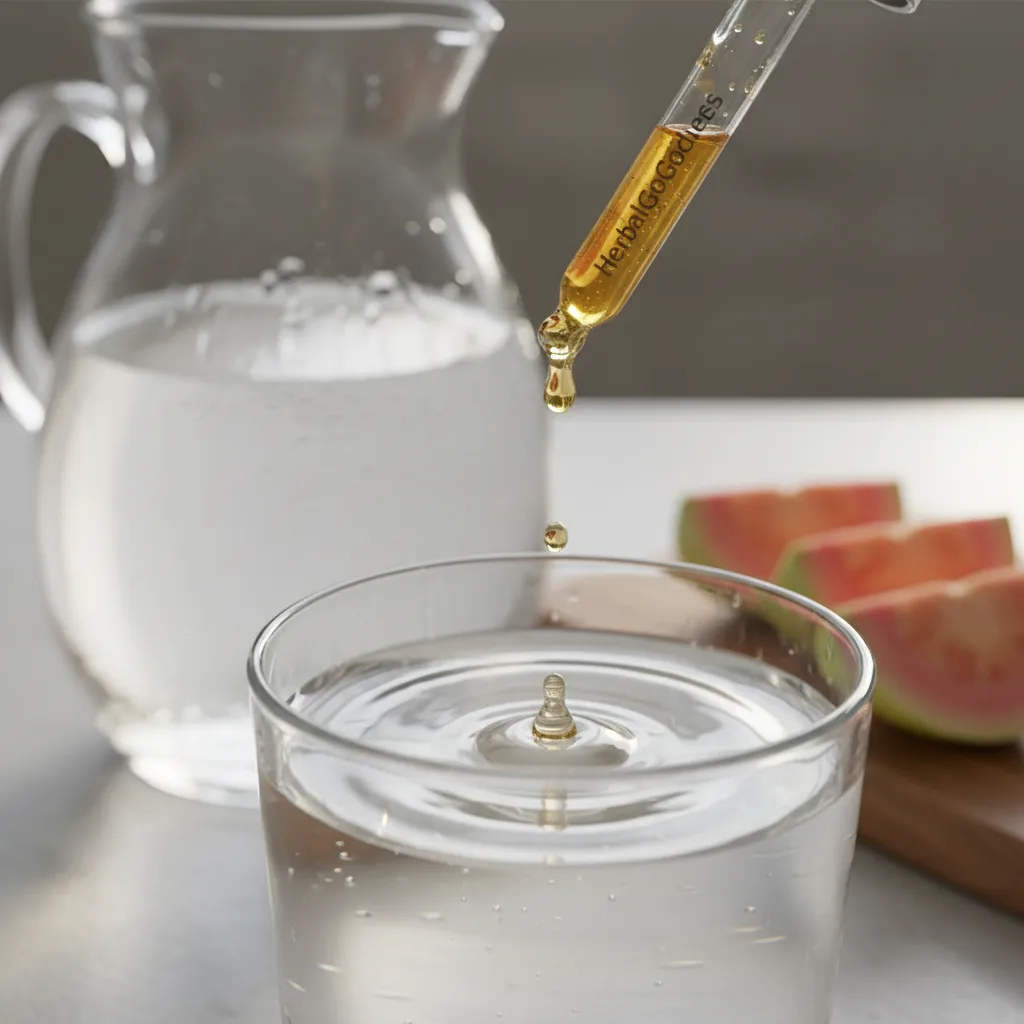
Simple At-Home Experiments: Tap vs. Filtered vs. Mineral Water
Curious how all of this comes together? Here’s a fun and simple tasting comparison:
- Gather Three Types of Water: Collect samples of tap water, filtered water (from a pitcher or faucet filter), and bottled mineral water.
- Standardize the Amount: Measure equal amounts of your chosen Guava Leaf Organic 15X Liquid Extract into three small glasses.
- Test Temperatures: For a consistent experiment, use room temperature for all samples first. Another round can explore cold vs. warm water.
- Mix, Swirl, and Observe: Gently combine extract and water in each glass.
- Smell the Aroma: Note the differences as you bring each glass to your nose. Does one sample have a stronger, fruitier, or grassier scent?
- Focus on Mouthfeel: Sip each, considering qualities like smoothness, silkiness, astringency, or lingering flavors.
- Color Comparison: Hold all three glasses up to the light. Does the extract look brighter or murkier in any of them?

A side-by-side test is also a great opportunity to add another liquid extract, such as Soursop Leaf Graviola Extract 15X Liquid, for a broader appreciation of how water affects different botanicals. You might be surprised by how vividly each type of water brings out unique subtleties in these extracts.
Bonus Prompt:
- Invite a friend or family member for their impressions. Describing taste together often helps highlight subtle differences you might otherwise miss.
Practical Tips for Mixing and Brewing Guava Leaf Liquid Extract at Home
Ready to make every glass of guava leaf extract your own? Use these practical, easy-to-apply techniques:
- Taste Your Water First: Before adding extract, take a sip of your water alone—it tells you a lot about what to expect.
- Adjust for Clarity: If your tap water tastes heavily chlorinated or metallic, consider filtered or bottled water for a cleaner profile.
- Experiment With Ratios: Start with the recommended amount on your guava leaf extract bottle, but feel free to try weaker or stronger mixes. Premium extracts like those from Herbal Goodness are concentrated, meaning a little goes a long way.
- Tune with pH: To highlight brightness, use water closer to neutral or slightly acidic. Alkaline water can round out edges if you like a softer, richer taste.
- Play With Temperature: Try warm water on cool days and chilled water with ice during summer months.
Do you notice a difference when using Raw Sea Moss 8oz Bag infused water for extra minerals? Some at-home brewers enjoy combining natural mineral sources with their plant extracts for a robust, nourishing drink.
Sensory Prompts: How to Truly Savor Your Guava Leaf Liquid Extract
Experiencing guava leaf liquid extract isn’t just about drinking—it’s about engaging all your senses. Here are some prompts to guide your next tasting:
- Sight: Is the liquid clear, cloudy, green-tinted, or amber? Does the color change if you switch water types?
- Aroma: Swirl your glass gently. Are the scents grassy, earthy, sweet, or floral? How do they shift with each water source?
- Taste: Take a slow sip. Is the first impression bright, mellow, sharp, or smooth? What lingering notes do you notice?
- Mouthfeel: Notice the texture—does it feel rich, light, dry, or silky? Does it leave the mouth feeling clean or coated?
Add complexity by comparing sensory notes across Papaya Leaf Extract 10X Capsules 600mg or Organic Papaya Seed Powder 4oz if you enjoy plant-based supplements in multiple forms. Observing minute changes in aroma and mouthfeel can reveal your preferred brewing practices.

Enhancing Your Guava Leaf Extract Experience: Mindful Adjustments
The journey to finding your favorite mix comes from open-minded experimentation. A subtle tweak—like switching from tap to mineral water, or changing the temperature—can reveal new flavors you may have missed before. Here are a few more ideas to personalize your guava leaf liquid extract:
- Adding Citrus: A squeeze of lemon can brighten aroma and shift flavors, especially in hard or alkalized water.
- Chilled Glass: Pouring your extract mix over ice, or into a pre-chilled glass, can sharpen the taste and invigorate the mouthfeel.
- Serving Styles: Premium guava leaf liquid extract can be enjoyed as a straight shot, diluted into water, or blended with herbal teas. Experiment to uncover what suits your palate best.
If wellness and digestive support are also your focus, integrating your extract ritual with a product such as Body Detox Papaya Seed can help amplify the holistic benefits of your drink.
Why Water Quality Matters in Extract Enjoyment
It’s easy to overlook water, but it’s the ingredient that really brings out the best (or sometimes worst) in concentrated extracts. High-quality water reveals the nuanced flavors crafted during production by brands like Herbal Goodness. Not only does it open up a world of taste, but it also offers a way to connect more deeply with the ritual of brewing and sharing plant-based beverages.
Whether you’re new to guava leaf liquid extract or deepening your appreciation, focusing on the water you use ensures each glass is a true reflection of your unique preferences—flavor, aroma, color, and all.
Frequently Asked Questions
Question 1: How does mineral content in water affect guava leaf liquid extract?
Answer: Minerals like calcium and magnesium can make guava leaf liquid extract taste bolder and rounder, while filtered water lets the extract’s natural notes shine. Try making your guava leaf drink with tap, filtered, and bottled mineral water (or even Guava Leaf Tea Organic 24 Bags) to notice the difference.
Question 2: Does water pH change the flavor or color of guava leaf extract?
Answer: Yes. Acidic water sharpens and livens flavors and can create vivid hues. Alkaline water makes the taste smoother but may mute complexity. For comparison, you can use pH strips before making your guava extract, or even try with Organic Papaya Leaf Extract 16oz to see similarities.
Question 3: What’s the best temperature for mixing guava leaf extract?
Answer: Cool water highlights freshness and crispness, while warmer water brings out deeper, silkier notes. Experiment by making guava leaf extract with cold, warm, and hot water, or compare with the Herbal Tea Trio Bundle for varied sensory experiences.
Question 4: Can I mix guava leaf extract with other herbal extracts or teas?
Answer: Absolutely. Products such as Soursop Leaf Graviola Extract 15X Liquid combine well with guava or papaya extracts for broader flavor exploration.
Question 5: What if my tap water tastes chlorinated or metallic?
Answer: Use filtered or bottled water for a cleaner taste. Adjusting your water can make your guava leaf extract or even Papaya Leaf Extract 10X Capsules 600mg taste fresher and more vibrant.
Question 6: Are there other ways to enhance my extract drink?
Answer: Try adding lemon, ice, mixing with Raw Sea Moss 8oz Bag, or serving over ice to shift the aroma and mouthfeel. Each approach lets you discover your ideal preparation.
Ready to discover your ideal guava leaf liquid extract flavor profile? Use these water and brewing tips as a starting point for your own sensory experiments at home.
About the Author
Herbal Goodness Editorial Team
The Herbal Goodness Editorial Team specializes in holistic health and superfoods, blending science and nature to educate and empower our community.
References
Buy Guava Leaf Tea Online: 30-Day Tasting Passport for Beginners
DIY Botanical Skincare Basics with Premium Guava Leaf Liquid Extract
Guava Leaf Liquid Extract Gift Guide: Packaging & Tips for Beginners
Guava Leaf Liquid Supplement Near Me: A Smart Buyer's Guide
Guava Leaf Taste Guide: Bitterness, Aroma and Mindful Eating Rituals
Guava Liquid Extract Buying Guide: 15X, Carriers & COAs Online