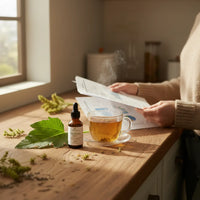
Is Mullein Tea Caffeine-Free? Facts About Blends, Labels, and Brewing Times

Many tea drinkers are seeking caffeine-free options, both for wellbeing and for supporting a balanced daily routine. Mullein tea, a traditional herbal infusion made from the leaves or flowers of the mullein plant, has become increasingly popular. But an important question arises: Is mullein tea caffeine-free? This article provides an accessible guide to understanding the caffeine status of mullein tea, identifying possible sources of hidden caffeine, and offering straightforward tips for ensuring your cup is truly caffeine-free—even if you’re new to reading labels or choosing loose-leaf herbs.
Is Pure Mullein Tea Naturally Caffeine-Free?
Let’s start simply:
- Pure mullein tea is naturally caffeine-free.
- Mullein (Verbascum thapsus) is not a member of the Camellia sinensis family—the botanical group from which all “true” teas (black, green, oolong) derive and that naturally contain caffeine.
- When brewed from pure dried mullein leaves or flowers and water, you can confidently expect zero caffeine content in your cup.
Choosing a pure herbal tea like Mullein Leaf Tea Organic 24 Bags | Respiratory & Lung Wellness Support lets you fully avoid caffeine. This matters if reducing or avoiding stimulants in the evening or throughout your daily rhythm is a priority. If you are looking to support respiratory and lung wellness without the stimulating effects of caffeine, it’s reassuring to know that this single-ingredient herbal brew will help you meet this goal.
How Does Caffeine Sneak Into Mullein Tea?
While the mullein plant itself is caffeine-free, caffeine can still make its way into what’s labeled as “mullein tea” through several routes:
Blended Herbal Teas
- Some commercial “mullein tea” products are blends, meaning mullein is combined with other herbs or even true tea leaves.
- Popular herbal blends may include caffeine-containing ingredients such as yerba mate, guayusa, or green/black tea.
- Café or restaurant blends sometimes mix mullein with caffeinated teas to create “house” specialty versions.
If you're looking for purely herbal alternatives for immune or wellness needs, products like Soursop Leaf Tea | Organic Graviola 24 Bags | Soursop Tea Benefits for Immunity & Wellness are also naturally caffeine-free and offer distinct health benefits.
Cross-Contact in Production or Packaging
- Bulk herbs can sometimes be processed or packaged in facilities that also handle caffeinated teas, raising the risk of cross-contact.
- While the amount is usually extremely small, those highly sensitive to caffeine may want to verify how their product is sourced and stored.
Ingredient Additions for Flavor or Color
- Some flavored mullein teas include natural flavors, extracts, or even colorants derived from caffeinated plants.
- Look specifically for added black or green tea extract, which would raise the caffeine content, even if it’s not the primary ingredient.
The Importance of Reading Labels and Ingredient Lists
A key step for anyone wanting a caffeine-free cup is learning to decode packaging and ingredient panels:
- Inspect the ingredients list. Genuine caffeine-free mullein tea will usually include only mullein leaves or mullein flowers (sometimes both), with water as the recommended brewing base.
- Watch for blended teas. If any form of black tea, green tea, mate, or guayusa is listed, the product contains caffeine.
- Look for certification. High-quality suppliers may provide a third-party certificate or note “caffeine-free” clearly on the label or product page. If this is important for your wellness goals, seek out these certifications.
- Check for “natural” or “proprietary” blends. Some manufacturers use ambiguous language. When in doubt, request a complete list of the botanicals included in your blend.
Common Ingredient Words Indicating Caffeine Content
- Black tea, green tea, white tea, oolong: Always contain caffeine
- Yerba mate, guayusa: Naturally contain caffeine
- “Extra energy,” “energizing,” “pick-me-up”: May signal added caffeine or extracts
When shopping online, thoroughly review the ingredient lists. For example, the Organic Papaya Leaf Tea | 24 Premium Bags – Caffeine-Free clearly labels itself as caffeine-free, allowing you to make an informed purchase confidently.
Ensuring a Caffeine-Free Cup: Steps for Sensitive Drinkers
For those especially sensitive to caffeine, every detail counts. Here are precise tips to safeguard your cup:
Opt for Single-Ingredient Loose Leaf or Certified Products
- Purchase single-ingredient loose mullein leaf or flower from reputable herbal suppliers—ideally those that emphasize purity and direct sourcing.
- Confirm certifications. Look for brands that lab-test their herbs and display Certificates of Analysis (COA) for caffeine content.
- Choose teas labeled explicitly as “caffeine-free” or with an independent herbal certification.
- Ask about production practices. Brands focused on quality are transparent about cross-contact risk in their facilities.
If you want flexible DIY options, check out our organic herbal teas, which allow you to control exactly what goes in your cup.
Ask Sellers or Herbalists Directly
- Don’t hesitate to contact the seller for clarification if ingredient panels or product descriptions aren’t clear.
- If purchasing from a local café or tea shop, ask staff whether mullein is brewed alone or as part of a blend, and whether the preparation surfaces also handle caffeinated teas.
- Herbalists may also provide origin details and brewing best practices.
Strategies for Cafés or Brew-On-Demand Settings
- Request mullein brewed with fresh hot water in a clean vessel to minimize cross-contact with caffeinated drinks.
- If no pure option is available, it may be best to skip ordering mullein or bring pre-measured loose leaves from a trusted supplier.

Spotting Hidden Caffeine in Blends and Brews
Herbal blends are increasingly creative, and hidden caffeine can sometimes be unintentionally (or intentionally) included. Here’s how to spot it:
- Unfamiliar herbal names: Some less-common botanicals—such as guayusa or yaupon—do contain caffeine. Look them up if you’re uncertain.
- Proprietary blends: If only “proprietary blend” is listed without breakdowns, transparency is lacking—ask for more details.
- Energy terms: “Energizing,” “alertness,” “focus,” or similar words can indicate caffeine’s presence.
- Tea concentrates or extracts: Liquid “tea essence” or “extract” described on labels could derive from either herbal or true tea origins. Ask sellers for clarity.
When you want to explore different types of herbal teas without caffeine, Guava Leaf Tea Organic 24 Bags | Immunity & Gut Wellness – Caffeine-Free is another excellent alternative.

Practical Tips for Brewing and Timing Your Caffeine-Free Mullein Tea
Ensuring your beverage aligns with your caffeine needs goes beyond ingredients—timing and brewing methods matter too.
Home Brewing for Pure Results
- Brew your own mullein tea from pure loose leaf or certified caffeine-free bagged products.
- Use freshly boiled water and infuse for 7–10 minutes for an aromatic, flavorful drink.
- Avoid mixing with herbs you have not confirmed as caffeine-free.
If you want a ready-to-use option for respiratory support that is as close to pure as it gets, Mullein Leaf Organic 15X Liquid Extract | Respiratory & Lung Wellness delivers a highly concentrated format for direct use or easy dilution.

Best Times to Enjoy Caffeine-Free Mullein Tea
- Mullein tea is suitable for mornings, afternoons, or evenings—especially beneficial for those seeking a calming beverage in the evening.
- For people sensitive to caffeine, choosing mullein after noon can support restful nights and minimize any stimulating effects that accidental caffeine may have.
- If you’re managing multiple herbal teas, add a label or note to your stash to ensure easy recall of which are safe for later hours.
Tips When Brewing for Guests or Family
- Always ask about caffeine sensitivity, especially for young people or those with adverse reactions to stimulating drinks.
- Offer mullein as a gentle, caffeine-free alternative to caffeinated teas or to blends featuring guayusa and yerba mate.
When to Consult With Sellers or Your Clinician
If you ever have uncertainty about a blend, ingredient, or preparation method, consider these responsible steps:
- Contact the seller or brand for a detailed ingredient list or to confirm production practices.
- If you are especially sensitive to even trace amounts of caffeine, check with your herbalist or healthcare provider regarding the best herbal options for your individual needs and wellness goals.
- Print or save product COAs (Certificates of Analysis) for your records, especially if you’re consistently avoiding caffeine.
Summary: Confidence in a Caffeine-Free Cup
To sum up: Pure mullein tea, brewed from single-ingredient leaves or flowers, is naturally caffeine-free. However, blends, cross-contact during processing, or ambiguous labeling can sometimes introduce caffeine unexpectedly. For those seeking a reliably caffeine-free beverage, reading ingredient lists, buying from transparent brands that provide COAs or certifications, and asking detailed questions before you buy or brew ensure your wellness needs are met—one clean, soothing cup at a time.
Frequently Asked Questions
Question 1: Is mullein tea always caffeine-free?
Answer: Pure mullein tea is naturally caffeine-free, but blended teas or those produced in facilities with caffeinated ingredients may have traces. Choose Mullein Leaf Tea Organic 24 Bags | Respiratory & Lung Wellness Support for a safe, single-ingredient option.
Question 2: What are the best caffeine-free alternatives to mullein tea?
Answer: Organic Papaya Leaf Tea | 24 Premium Bags – Caffeine-Free and Guava Leaf Tea Organic 24 Bags | Immunity & Gut Wellness – Caffeine-Free are both excellent caffeine-free choices.
Question 3: How can I avoid hidden caffeine in herbal tea blends?
Answer: Always check ingredient lists for black tea, green tea, guayusa, or yerba mate. Buying our organic herbal teas lets you control the blend and avoid caffeinated botanicals.
Question 4: Is there a liquid extract option for mullein that is caffeine-free?
Answer: Yes. Mullein Leaf Organic 15X Liquid Extract | Respiratory & Lung Wellness offers a concentrated, caffeine-free form ideal for those needing higher potency or convenience.
Question 5: Can I serve mullein tea to children or sensitive guests?
Answer: Absolutely, provided it’s made from certified caffeine-free tea like Mullein Leaf Tea Organic 24 Bags | Respiratory & Lung Wellness Support. Always check for single-ingredient teas and avoid blends with added caffeinated herbs.
Question 6: Do herbal teas like soursop or papaya leaf contain caffeine?
Answer: No, Soursop Leaf Tea | Organic Graviola 24 Bags | Soursop Tea Benefits for Immunity & Wellness and papaya leaf tea are naturally caffeine-free and make excellent alternatives.
For caffeine-sensitive tea lovers, choosing pure mullein leaf and double-checking ingredients offers peace of mind and a gentle herbal experience.
About the Author
Herbal Goodness Editorial Team
The Herbal Goodness Editorial Team specializes in holistic health and superfoods, blending science and nature to educate and empower our community.
Related Articles
How to Buy Truly Caffeine-Free Mullein Tea Online With Confidence
Mullein Tea Bags Online: Packaging Terms Buyers Should Know
What Not to Mix with Mullein? Evidence‑Aware Safety Guide for All Users