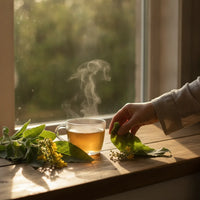
Mullein Plant Medicinal Uses: Exploring Ethnobotanical Traditions & Modern Insights

Across centuries and continents, mullein (Verbascum thapsus) has been woven into the herbal traditions of diverse cultures. With its velvety leaves, tall flowering spikes, and golden blossoms, mullein has inspired a range of medicinal uses rooted in folk wisdom, practical need, and evolving scientific curiosity. This article provides an ethnobotanical tour of mullein’s leaf, flower, and oil traditions—offering insight into how people around the world have prepared and valued this versatile plant. As you explore mullein’s many preparations and the bridge between ancestral practice and modern research, you’ll gain practical knowledge for evaluating products and supporting your own wellness journey.
Ancient and Traditional Uses of Mullein in World Cultures
For much of recorded history, mullein has been valued by various communities for its abundant growth and accessible properties. Its tall, wooly stalks made it easy to find in disturbed soils and along paths—leading to wide adoption and inventive use. Here’s how key cultures traditionally used mullein plant parts:
Mullein in European Herbalism
Mullein’s use traces back to classical Greece, where authors like Dioscorides described its leaves and flowers in medical texts. Throughout Europe, mullein leaves were steeped in hot water for infusions, and the tall dried stalks were sometimes used as torches. Folk herbalists commonly used both leaves and flowers in preparations intended to support breathing, voice, and general comfort during cooler months. Boiled leaves were also applied externally, with oil infusions especially prized in Western folk remedies.
Indigenous North American Traditions
Mullein is not native to the Americas, but quickly gained recognition among Indigenous communities after its introduction by early settlers. Traditions developed around steaming mullein leaves, burning dried leaf to create "smudges," and creating poultices or infusions. The wooly texture was noted for topical use, and some tribes adapted the dried stalks for ceremonial or practical uses.
Mediterranean and Middle Eastern Practices
In Mediterranean regions, both wild and cultivated mullein became a staple of rural medicine cabinets. Leaves and flowers were steeped for calming teas and soothing steams. Mullein oil—created by infusing flowers in olive or almond oil—was often prepared in late spring and summer, stored to be used through winter.
Variations in Preparation and Application
While the specific uses varied based on environmental resources and cultural needs, a few core themes emerge: leaves and flowers were most highly valued, and preparation methods often aimed to gently extract their delicate plant compounds without harsh processing.
Plant Parts: Unique Traditions for Leaf, Flower, and Oil
The three key parts of the mullein plant—leaf, flower, and oil infusions—were each prized for particular reasons and prepared with care.
Mullein Leaf
Furry and thick, mullein leaves have historically been dried for teas, rolled and smoked in folk rituals, or used as soft, external applications. European and North American preparations tended toward:
- Teas and Infusions: Leaves were chopped, dried, and steeped in hot water for warm herbal beverages, often filtered to remove small hairs. In modern times, Mullein Leaf Tea Organic 24 Bags | Respiratory & Lung Wellness Support offers a convenient way to experience these traditional practices.
- Steams: Leaves were added to hot water in bowls or basins, with steam gently inhaled.
- Poultices: Fresh or rehydrated leaves were sometimes wrapped in cloth for external application.

Mullein Flower
The small, yellow flowers were gathered in summer and carefully air-dried. In folk medicine:
- Infused Oils: Flowers were placed in oil and left in sunlight to gently extract their properties, creating golden "mullein oil."
- Teas and Tinctures: Dried or fresh flowers steeped separately or alongside leaves for a fragrant, soothing beverage.
- Modern Availability: Products like Mullein Leaf Organic 15X Liquid Extract | Respiratory & Lung Wellness can offer a concentrated modern alternative while still honoring time-tested usage.
Mullein Oil
One of the most beloved traditional mullein preparations, especially in Mediterranean and European families, is infused mullein oil:
- Preparation: Fresh or dried flowers are submerged in olive or almond oil and left to infuse in a warm, bright location for days to weeks, then strained. The resulting oil was widely regarded for gentle, external use to comfort the skin or ears.
- Usage: Used externally for gentle care and comfort, long prized as a shelf-stable folk staple and available as part of purpose-formulated wellness blends.
Traditional Preparation Methods and Their Impact
Different methods of preparing mullein emphasize different plant constituents, giving varied textures, colors, and qualities to each finished product. Here’s how common processes affect mullein preparations:
Teas and Water-Based Infusions
- Brings out water-soluble plant compounds
- Traditionally filtered to remove fine hairs that may irritate the throat
- Leaves a mild, earthy taste and clear yellow color
Steams
- Releases volatile compounds into the air
- Used widely for gentle inhalation, especially in winter months

Oil Infusions
- Draw out fat-soluble components from flowers or leaves
- Sunshine and gentle heat encourage extraction without high temperatures
- Finished product is kept in light-proof bottles to preserve freshness
Smoking and Smudging (Historical Context Only)
- Dried leaves were sometimes used for ceremonial burning or smoke-based rituals
- Modern health guidance typically does not encourage inhaling smoke or particulate matter
How Modern Research Approaches Mullein
Today, mullein continues to draw the interest of researchers. While traditional uses offer valuable guidance, modern science takes a different—and more cautious—perspective. Here’s what contemporary investigations focus on:
Botanical and Phytochemical Studies
Scientists have catalogued mullein’s diverse plant compounds, especially in its leaves and flowers. Analytical work often examines:
- Flavonoids
- Saponins
- Mucilage (gel-like plant material)
- Volatile oils
The degree to which mullein’s natural chemistry translates into practical effects is still under study. Much of the research is preliminary and based on laboratory models rather than clinical experience. Those interested in plant mucilage and antioxidants may also explore Raw Sea Moss 8oz Bag | St. Lucia Wildcrafted – Nature's Multivitamin as a complementary botanical for general wellness.
Safety and Tolerability Research
Modern studies have examined possible sensitivities to mullein plant hairs and extracts—making careful filtering and quality sourcing essential. Toxicological assessments tend to support mullein’s general safety when traditionally prepared and consumed as teas or infusions, though little is known about concentrated extracts or novel preparations.
Clinical and Ethnobotanical Reviews
A growing field of research compiles historical records, ethnobotanical surveys, and user experiences to document mullein’s long global legacy. While such reviews highlight fascinating patterns, they also stress the importance of context and careful self-observation. In particular, reviewing product transparency in options like Mullein Leaf Tea Organic 24 Bags | Respiratory & Lung Wellness Support can be invaluable for today’s wellness seekers.
Evidence Limitations
Despite mullein’s extensive history, current research is limited by small sample sizes, the absence of large-scale studies, and a reliance on traditional knowledge rather than modern clinical evidence. Recognizing these limitations—without disregarding centuries of practical use—helps balance optimism with realistic expectations for gentle botanicals.
Safety, Sourcing, and Labeling: How to Choose Mullein Products Wisely
As interest in mullein grows, so does the range of products available—from loose teas to concentrated oils. Here’s how to navigate mullein selection with safety and awareness in mind.
Understanding Common Labeling Terms
- Whole Leaf vs. Powder: Whole leaf preserves more plant structure, while powders may contain finer, more easily extracted material. Quality dried leaf should retain a distinctive greenish or gray tint. Review labels and choose Mullein Leaf Organic 15X Liquid Extract | Respiratory & Lung Wellness for a carefully processed, easy-to-use option.
- Wildcrafted or Organic: Wildcrafted indicates the plant was gathered naturally, while organic certifies certain standards in cultivation and harvesting.
- Oil Infusion vs. Essential Oil: Traditional mullein oil is a gentle infused oil, not a concentrated essential oil.
- Botanical Name: Look for “Verbascum thapsus” on labeling for clarity and authenticity.
Source Quality and Processing
- Examine product transparency: details about harvest date, drying method, and storage can indicate freshness. Many modern options, like Mullein Leaf Tea Organic 24 Bags | Respiratory & Lung Wellness Support, emphasize responsible sourcing.
- Reputable brands like Herbal Goodness often emphasize responsible sourcing and gentle processing to honor traditional methods.
- Freshness matters for delicate flowers, which can lose aroma and color over time.
Safe Self-Experimentation
- Begin with small amounts and observe your response over several days.
- Filter teas well to minimize irritation from fine leaf hairs.
- Avoid using concentrated or novel mullein extracts during pregnancy, breastfeeding, or for children, unless consulting a qualified professional. Alternatives for gentle daily wellness, such as Lungs & Respiration 15X Liquid Extract | Natural Respiratory Support, may also be explored.
- Monitor for any sensitivity or reaction, immediately stopping use if discomfort occurs.

Recognizing Product Differences
- Teas, infusions, steams, and infused oils offer very different experiences and ingredient concentrations—choose formats that align with your comfort and interest.
- Avoid conflating traditional infused oils with steam-distilled essential oils, which are more concentrated and require greater caution.
Comparing Mullein Products: Practical Tips for Wellness Seekers
When faced with many mullein products, consider:
- Does the packaging detail the plant part (leaf, flower, or both)?
- Is preparation advice included that aligns with traditional use?
- Are sourcing, harvesting, and expiration details transparent?
- Does the producer provide guidance for gentle, mindful use?
Careful reading of labels and a willingness to experiment with traditional methods, such as teas or gentle infusions, offers a good starting point for experiencing mullein’s heritage. Additionally, exploring wellness options such as Raw Sea Moss 8oz Bag | St. Lucia Wildcrafted – Nature's Multivitamin can complement herbal practices focused on respiratory and immune wellness.
Summary: Honoring Mullein’s Ethnobotanical Legacy
Mullein leaf, flower, and oil traditions reveal a tapestry of folk knowledge and contemporary inquiry. Used by generations for its accessibility and gentle nature, mullein continues to inspire interest from those who seek to blend time-honored practice with modern curiosity. By learning preparation methods, understanding labels, and recognizing quality markers, readers can make informed decisions—respecting both the wisdom of the past and the care needed for the future.
Frequently Asked Questions
Question 1: What is the best way to start using mullein for wellness?
Answer: Begin with traditionally prepared options like Mullein Leaf Tea Organic 24 Bags | Respiratory & Lung Wellness Support. Start with small servings and monitor how you feel before increasing intake.
Question 2: How do I know if a mullein product is high quality?
Answer: Look for plant part details, responsible sourcing, harvest date, and a reputable brand. Mullein Leaf Organic 15X Liquid Extract | Respiratory & Lung Wellness discloses these details and follows gentle, traditional processing.
Question 3: Are there alternatives for respiratory and immune support?
Answer: Products such as Lungs & Respiration 15X Liquid Extract | Natural Respiratory Support and Raw Sea Moss 8oz Bag | St. Lucia Wildcrafted – Nature's Multivitamin may be beneficial complementary options.
Question 4: What is the difference between mullein oil and essential oil?
Answer: Traditional mullein oil is an infusion of flowers in a carrier oil, used externally for gentle care. Essential oil is a highly concentrated steam distillation, requiring greater caution.
Question 5: Is mullein tea safe to drink every day?
Answer: Most people tolerate it well in traditional forms. Choose quality, filter teas to remove fine hairs, and start slowly. If unsure, speak with your healthcare provider.
Question 6: How should I store my mullein tea or extract?
Answer: Keep mullein products sealed, away from light and moisture. Refer to the instructions on Mullein Leaf Tea Organic 24 Bags | Respiratory & Lung Wellness Support for best storage practices.
Exploring mullein’s rich traditions offers a thoughtful path for curious wellness seekers. Take time to read product labels, honor traditional methods, and mindfully observe your experience as you discover what resonates with you.
About the Author
Herbal Goodness Editorial Team
The Herbal Goodness Editorial Team specializes in holistic health and superfoods, blending science and nature to educate and empower our community.
Related Articles
Best Organic Mullein Leaf Tea Online: How to Choose Quality Tea
What Not to Mix with Mullein: Evidence‑Aware Guide to Safe Pairings
Buy Mullein Leaf Tea Bags: QR Codes, Batch Numbers & Harvest Dates
What Determines Mullein Leaf Extract Price? Complete Cost Guide
A Forager’s Guide: Identifying Mullein and Its Common Look-Alikes Safely