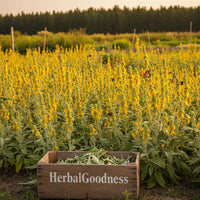
Mullein vs Marshmallow vs Plantain: Organic Tea Buying Guide Online

Curious about soothing, plant-based teas but unsure where to begin? If you’ve come across organic mullein, marshmallow, or plantain teas—especially those marketed for their unique texture and soothing qualities—you’re not alone. These three renowned herbs have a long history in the world of herbal infusions, each offering a special nuance in flavor, mouthfeel, and everyday or ceremonial enjoyment. But what exactly sets them apart, and how can you confidently choose the best organic option when shopping for mucilaginous teas online?
This essential guide gently unpacks the differences between mullein, marshmallow, and plantain teas, focusing on their unique characteristics and what to look for when searching for genuine, high-quality organic listings. Whether you’re new to the world of mucilaginous herbal teas or looking to expand your tasting experience, you’ll find practical, beginner-friendly insights below.
What Are Mucilaginous Teas?
Mucilaginous teas are herbal infusions made from plants traditionally valued for their naturally occurring mucilage. Mucilage is a plant compound known for its naturally slippery, smooth, or gelatinous texture—think of it as the herbal world’s version of silkiness in your cup. This texture often contributes to a soothing mouthfeel that many tea drinkers describe as gentle or comforting. When brewed, herbs like mullein, marshmallow, and plantain produce a distinctive thickness that sets them apart from typical grassy greens or astringent black teas.
Understanding Mullein, Marshmallow, and Plantain: Core Flavor and Texture Differences
Before you buy, it’s helpful to understand how each of these botanicals stands out in taste and texture. Here’s a closer look:
Mullein Tea
- Flavor: Mild, slightly earthy, and sometimes described as faintly floral. Mullein is notably subtle—ideal for those who don’t want a strong, overpowering herbal note.
- Mouthfeel: When brewed well, mullein tea is lightly velvety with a soft finish. The mucilaginous quality gives it a gentle creaminess.
- Common Use: Sipped solo or blended with gentle herbs for a mellow, soothing cup. Often enjoyed in reflective or calming moments, mullein’s understated profile suits both daytime and nighttime routines.
Marshmallow Root and Leaf Tea
- Flavor: Earthy, with mild sweetness and a hint of woodiness. The root is richer in flavor and texture than the leaf, which can be greener and milder. Neither tastes like the pink confection—think herbal and grounding instead.
- Mouthfeel: This is the quintessential mucilaginous tea—brews up thick, almost syrupy, and silky. If you enjoy a substantial, comforting body in your cup, marshmallow delivers.
- Common Use: Traditionally sipped warm, often as a ‘comfort’ tea. In some traditions, marshmallow tea is part of self-care or evening grounding rituals. It often shines as a supportive base in custom herbal blends.
Plantain Leaf Tea
- Flavor: Grassy, fresh, and slightly bitter, with a touch of mineral. Plantain is more robust than mullein or marshmallow and offers brightness rather than sweetness.
- Mouthfeel: Plantain tea is gently mucilaginous but usually less thick than marshmallow. Expect a light smoothness that doesn’t coat the palate as heavily.
- Common Use: Sometimes enjoyed neat by those who like robust greens, or paired with flowers and citrus for balance. Plantain’s flavor works well in blends that aim to refresh or uplift.
Brewing Organic Mucilaginous Teas: Best Practices for Each Herb
Understanding brewing basics helps unlock the best experience from your organic herbal teas. Here’s how brewing differs among mullein, marshmallow, and plantain:
Brewing Mullein Tea
- Water Temperature: Just-off-the-boil (about 205°F)
- Steeping Time: 10–15 minutes, covered to retain aroma
- Extra Tip: Always strain mullein tea through a fine mesh or cloth filter to catch tiny plant hairs, helping ensure a smoother drink.
Brewing Marshmallow Root or Leaf Tea
- Water Temperature: Hot (around 200°F) for leaf; room temp or cold brew for root
- Steeping Time: 15–20 minutes hot; several hours up to overnight for cold brew (especially root)
- Extra Tip: For maximum silkiness, marshmallow root is often cold-brewed. Simply add to room-temp water and let stand—this ensures more mucilage is drawn out.
Brewing Plantain Tea
- Water Temperature: Just-off-boil (205°F)
- Steeping Time: 10–15 minutes
- Extra Tip: Since plantain tends to be more robust, you can fine-tune the steeping time to dial flavor strength up or down. Adding a floral or citrus note can balance the earthiness.
Typical Culinary and Ritual Uses
The way you enjoy these soothing teas is as personal as your palate. Non-medical, traditional, and modern uses include:
- Mullein: Sipped solo for a calming, comforting pause. Commonly used as a gentle, reflective evening tea or added to blends for a soft creamy background.
- Marshmallow: Embraced for its luxurious texture, marshmallow tea is often chosen when you crave a soothing, self-nurturing experience. Some include it in herbal bedtime or comfort rituals for its grounding body.
- Plantain: Enjoyed for its invigorating freshness, plantain tea may be part of morning routines or after a hearty meal. In culinary circles, plantain sometimes stars in herbal iced tea blends for a crisp finish.
Choosing the Best Organic Mucilaginous Teas Online
With many options available, how do you pick a truly high-quality organic tea? Here are key practical tips to support your online shopping journey:
Spotting Quality Organic Herbal Listings
- Verified Organic Certification: Look for clear details about USDA Organic or other recognized certifications on product listings—not just ‘organic’ in the title.
- Transparency Around Sourcing: Trustworthy sellers highlight region of origin and harvest method. Premium brands like Wellness Tea Blends – 4oz Organic Premium Herbal Infusions provide this information up front.
- Freshness Cues: Seek details about harvest date, small-batch processing, or packaging dates. Fresher herbs tend to provide richer aroma and texture.
Understanding Cut and Format
- Whole, Cut, or Powdered?
- Whole Leaf/Root: Preserves aromatics and mucilage. Brews best flavor and mouthfeel but may need extra straining.
- Cut/Sifted: Convenient for quick brewing. Choose this if you like practical, everyday tea-making.
- Powdered: Potent, but can be harder to strain and often used in culinary recipes or smoothies more than as stand-alone tea.
- When shopping, product photos showing cut style help ensure you’re getting the leaf or root format you want.

Thoughtful Packaging and Purity
- Airtight, Opaque Packaging: Protects delicate mucilaginous herbs from light, air, and moisture. Look for resealable, food-grade pouches or tins.
- Ingredient Simplicity: The best organic teas list only the herb in question, without artificial flavors or unnecessary fillers.
- Batch Testing: Quality-focused brands may mention third-party lab analysis for purity. This supports confidence in what you’re brewing.
Smart Tips for First-Time Shoppers: How to Decide What’s Right for You
- Flavor and Texture Preferences: If you’re seeking mellow with an ultra-gentle sensation, mullein or marshmallow might resonate. Prefer vibrant or greens-like teas? Give plantain a try.
- Experiment with Brewing: Start small and try different steeping times, brew strengths, and temperatures to discover your favorite cup. You might also explore blends, such as Wellness Tea Blends – 4oz Organic Premium Herbal Infusions, which feature high-quality mucilaginous ingredients in a convenient pack.
- Blending Adventures: Don’t be afraid to mix small amounts of these mucilaginous herbs with flower petals, citrus, or other gently flavored leaves to personalize the experience.
- Read Real Reviews: Sift through customer experiences focused on taste, aroma, and texture. This gives a true-to-life preview, especially when shopping for organic or specialty formats online.

- Small Packs First: Sample sizes help you taste test before committing to larger bags, and many quality brands offer variety samplers for this purpose. Pairing with teas that promote hydration and gentle cleansing, like Papaya Seed Powder Capsules – Gut & Colon Cleanse Support, can round out your herbal wellness kit.
Why Mucilaginous Teas Appeal to Modern Tea Lovers
Beyond tradition, the rise in interest for mullein, marshmallow, and plantain teas comes from a longing for comfort, gentle sensory pleasure, and conscious sourcing. Their unique mouthfeel and nuanced flavors add variety for anyone looking to go beyond mainstream blends. For those prioritizing clean herbal sourcing, choosing organic means peace of mind with each soothing sip.

Exploring teas such as Wellness Tea Blends – 4oz Organic Premium Herbal Infusions is about supporting relaxation and mindful moments—the experience itself is just as important as the cup. Consider enhancing your routine with products that complement tea rituals, like Herbal Papaya Bath Soap | 2 Bars/3.5oz – Natural Skin Cleanse & Glow, for a holistic self-care approach. Take your time exploring which herb aligns with your taste and sense of ritual, and you’ll build a rewarding herbal tea routine that feels uniquely your own.
Frequently Asked Questions
Question 1: Are there organic tea blends that include mucilaginous herbs?
Answer: Yes, several brands offer blends featuring mucilaginous botanicals such as mullein, marshmallow, or plantain. For sampling, consider Wellness Tea Blends – 4oz Organic Premium Herbal Infusions, which offer curated combinations and variety.
Question 2: How should I store mucilaginous teas to preserve texture and aroma?
Answer: Store organic mucilaginous teas in airtight, opaque packaging to protect from light, moisture, and air. High-quality teas like Wellness Tea Blends – 4oz Organic Premium Herbal Infusions are packaged this way for optimal freshness.
Question 3: Can I complement herbal tea routines with other wellness products?
Answer: Absolutely! Many find pairing blends with supportive wellness items, such as Papaya Seed Powder Capsules – Gut & Colon Cleanse Support, beneficial for overall health and comfort.
Question 4: What’s a good first step when exploring different mucilaginous teas?
Answer: Begin with a sampler or small pack such as Wellness Tea Blends – 4oz Organic Premium Herbal Infusions, allowing you to taste and compare different options before committing to a larger bag.
Question 5: Are there products to support a relaxing tea ritual beyond just drinking herbal teas?
Answer: For a comforting experience beyond the cup, products like Herbal Papaya Bath Soap | 2 Bars/3.5oz – Natural Skin Cleanse & Glow pair well with any self-care or tea routine.
Ready to explore the soothing textures of mullein, marshmallow, or plantain? Take your time savoring samples and discover your new favorite organic herbal tea for comfort and mindful enjoyment.
About the Author
Herbal Goodness Editorial Team
The Herbal Goodness Editorial Team specializes in holistic health and superfoods, blending science and nature to educate and empower our community.
References
Introducing Graviola to Young Taste Buds: Fun, Family-Friendly Flavor Exploration
Why Social Impact Matters in Plant-Based Wellness