Mushroom Tinctures vs. Powders & Capsules: Comparing Cost-Per-Serving Online

Navigating the landscape of mushroom supplements online can quickly become confusing, especially when you’re deciding between tinctures, powders, and capsules. Each format comes with different bottle sizes, serving recommendations, and extraction concentrations—a challenge for anyone who simply wants to find the best quality option at the best price. Knowing how to calculate the cost-per-serving of each type can help you make confident choices, even when label language seems complex. This detailed guide walks you through the label math, conversions, and smart shopping tips designed for those who are comparison-shopping for the right mushroom supplement.
Understanding Product Label Language for Mushroom Supplements
One of the first steps to comparing mushroom tinctures, powders, and capsules is understanding the language brands often use on their product labels or online listings. Here are the most common phrases and terms you’ll encounter:
- Serving Size: The amount of product recommended per use (in volume, weight, or number of capsules).
- Servings Per Container: How many times you’ll be able to use the product as directed.
- Extract Ratio: Frequently listed as something like 10:1 or 4:1, which indicates how much raw material is used to make each unit of extract.
- Bottle or Package Size: The total amount of product in the container, such as 60 mL, 90 capsules, or 100 g.
- Suggested Use: Instructions on how much and how often to take the supplement.
Grasping these elements is essential before you start comparing or looking to buy, as they impact how much you’re truly getting per serving.
Calculating Cost-Per-Serving for Mushroom Tinctures
Mushroom tinctures are liquid extracts, often prized for their portability and concentrated nature. To compare cost-per-serving when shopping online, follow these steps:
Step 1: Find the Serving Size and Servings Per Container
- Serving size may be listed as "1 dropperful (1 mL)" or simply stated in milliliters.
- Check the bottle size (e.g., 60 mL) and see how many servings are listed, or divide total mL by the serving size.
Step 2: Do the Math
Suppose a tincture bottle is 60 mL with a serving size of 1 mL. That’s 60 servings per bottle.
Step 3: Calculate the Cost-Per-Serving
If the tincture costs $38, the cost-per-serving would be:
- $38 (price) ÷ 60 (servings) = $0.63 per serving
This formula works for any mushroom tincture—just substitute the numbers based on label information. This direct calculation allows you to compare tincture products from different suppliers on a price-per-use basis.
Converting Mushroom Powder Servings and Costs
Mushroom powders, whether loose or in stick packs, are sometimes measured by weight rather than volume. The math is just as straightforward:
Step 1: Identify Servings and Package Size
- A common package might be 100 g with a serving size of 2 grams.
- That’s 100 ÷ 2 = 50 servings per container
Step 2: Calculate Cost-Per-Serving
If a bag of powder costs $25:
- $25 ÷ 50 = $0.50 per serving
This calculation reveals the price of a single scoop or serving, making it simple to compare powders from different brands or to tincture and capsule formats.
Figuring Capsule Costs and Servings
Capsules are popular for their convenience and precise dosing. Here’s how to work out cost-per-serving:
Step 1: Serving Size and Capsule Count
- Some products recommend 2 capsules per serving. If you have a 90-capsule bottle, that’s 45 servings (90 ÷ 2).
Step 2: Calculate the Cost-Per-Serving
For a $28 bottle:
- $28 ÷ 45 = $0.62 per serving
Capsules of high quality tend to be clearly labeled, but always check serving recommendations so you’re making an apples-to-apples comparison with powders or tinctures. Soursop Graviola Leaf Extract Capsules 10X exemplify transparency by listing both extract ratio and serving details.
How Extract Ratios Affect Perceived Value
Many mushroom supplements highlight extract ratios like 10:1 or 4:1, which refer to the concentration of the product. For example, a 10:1 extract means 10 units of mushroom material went into making 1 unit of the finished product. Here’s how this plays into comparison shopping:
- Higher extract ratios usually mean a more concentrated supplement, but serving sizes may adjust accordingly.
- Ensure you’re not just comparing price or servings, but factoring in the strength of the extract.
- Read all label information carefully to see how serving size relates to actual mushroom content.
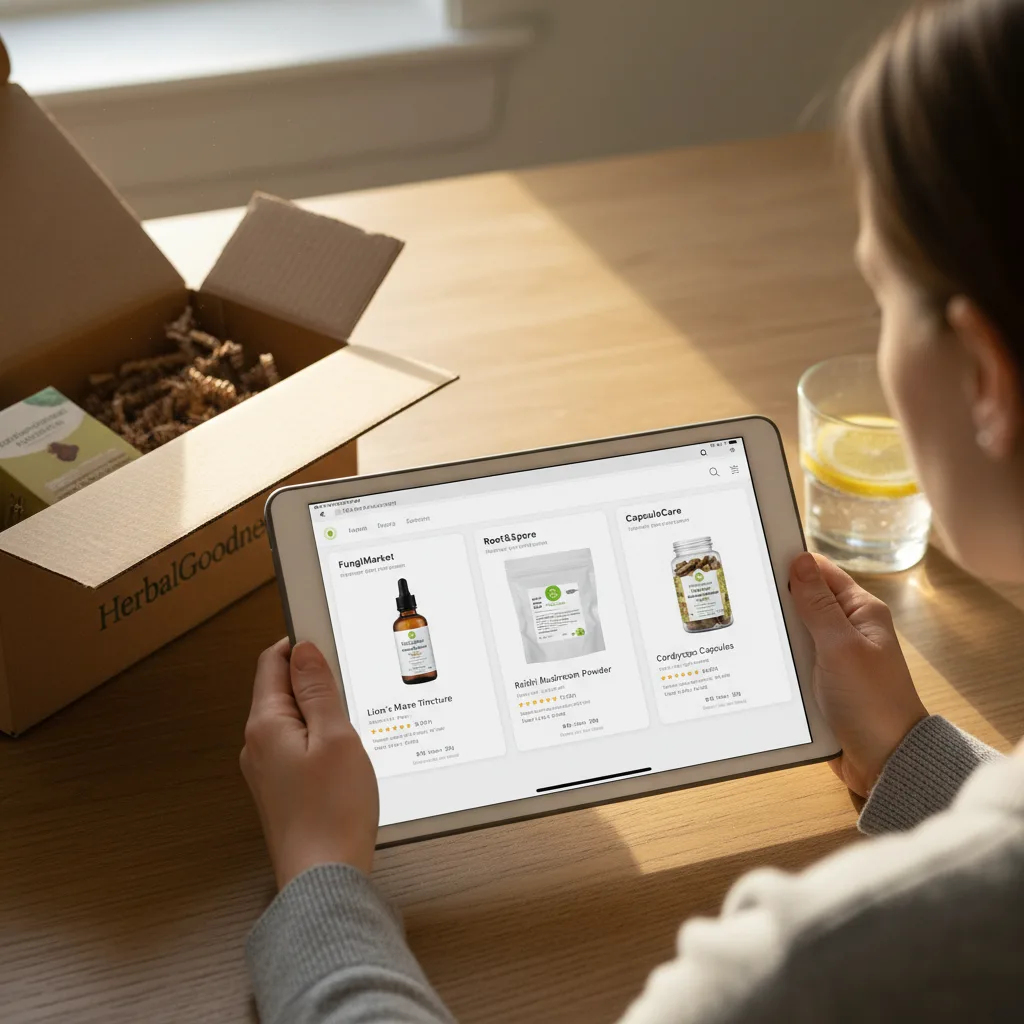
When shopping online, look for clear details on both the extract ratio and the milligram content per serving. If this information isn’t available, reach out to customer service before you buy.
Practical Tips for Shopping Mushroom Supplements Online
With so many options, use these strategies to find the best quality at the best price:
Check for Sample or Travel Sizes
- Many reputable brands, like Organic Papaya Leaf Extract 1oz | 15X Liquid – Trial & Travel Size, offer smaller sizes of their mushroom tinctures or powders at a lower price-per-serving.
- Sampling products before committing to a full-size bottle can help you assess which format fits your needs without a large upfront investment.
Consider Shipping and Return Policies
- Shipping costs and return policies impact the true cost-per-serving.
- Compare multiple retailers to find “free shipping” or easy return options, which may tip the scales in favor of one supplier over another.
- If you’re shopping for several products, consolidated shipping can lower your overall spend per serving.
Read Customer Reviews for Quality Confirmation
- Trusted user feedback can help assess product satisfaction, texture, mixability for powders, and overall value.
- Look for details about serving accuracy and bottle longevity. Blood Platelet Plus Capsules 20X | 60ct – Advanced Platelet Formula also feature detailed ingredient sourcing that can confirm quality for the discerning supplement shopper.
Check for Certifications and Sourcing Standards
- High-quality mushroom supplements often carry certifications such as organic or non-GMO, and are tested for purity. Look for supplements that are sourced with transparency—Mushroom Blend Organic 15X Extract | Adaptogen for Brain & Immunity demonstrates these sourcing values for confidence in every purchase.
- Brands like Herbal Goodness focus on sourcing from reputable growers with a track record of quality, which is important when you’re considering premium supplements.
Applying Label Math: Real-World Mushroom Supplement Examples
Let’s use practical examples to tie the process together:
Example 1: Tincture Cost Breakdown
- 50 mL bottle, serving size 1 mL, price $30.
- 50 servings ($30 ÷ 50) = $0.60 per serving.
Example 2: Powder Serving Math
- 120 g package, serving size 3 g, price $36.
- 40 servings ($36 ÷ 40) = $0.90 per serving.
Example 3: Capsule Comparison
- 120 capsules, serving size 2 capsules, price $34.
- 60 servings ($34 ÷ 60) = $0.57 per serving.
By breaking down the numbers this way, you gain the clarity needed to buy the right product for your preferences and your budget. For users looking for flexible dosing in a high quality mushroom supplement, Mushroom Blend Organic 15X Extract provides an excellent standard for label transparency and cost effectiveness.

How to Compare Across Formats: Key Considerations
To truly compare mushroom tinctures, powders, and capsules, keep these practical points in mind:
- Convenience: Capsules are often preferred for portability, while tinctures can be sublingual or mixed into drinks, and powders are versatile for smoothies or recipes. Bundling different supplement types, such as pairing Soursop Graviola Leaf Extract Capsules 10X | 60ct – Cell & Immunity with a powder format, can provide variety in one order.
- Absorption and Serving Size: Tinctures often offer rapid absorption; powders allow for flexible serving sizes; capsules are predictable and discreet. If absorption is a top priority, Mushroom Blend Organic 15X Extract delivers a potent liquid format for maximum efficiency.
- Shelf Life and Storage: Different formats may vary in longevity and best storage practices—factor this into ongoing cost-per-serving if you use the product slowly.
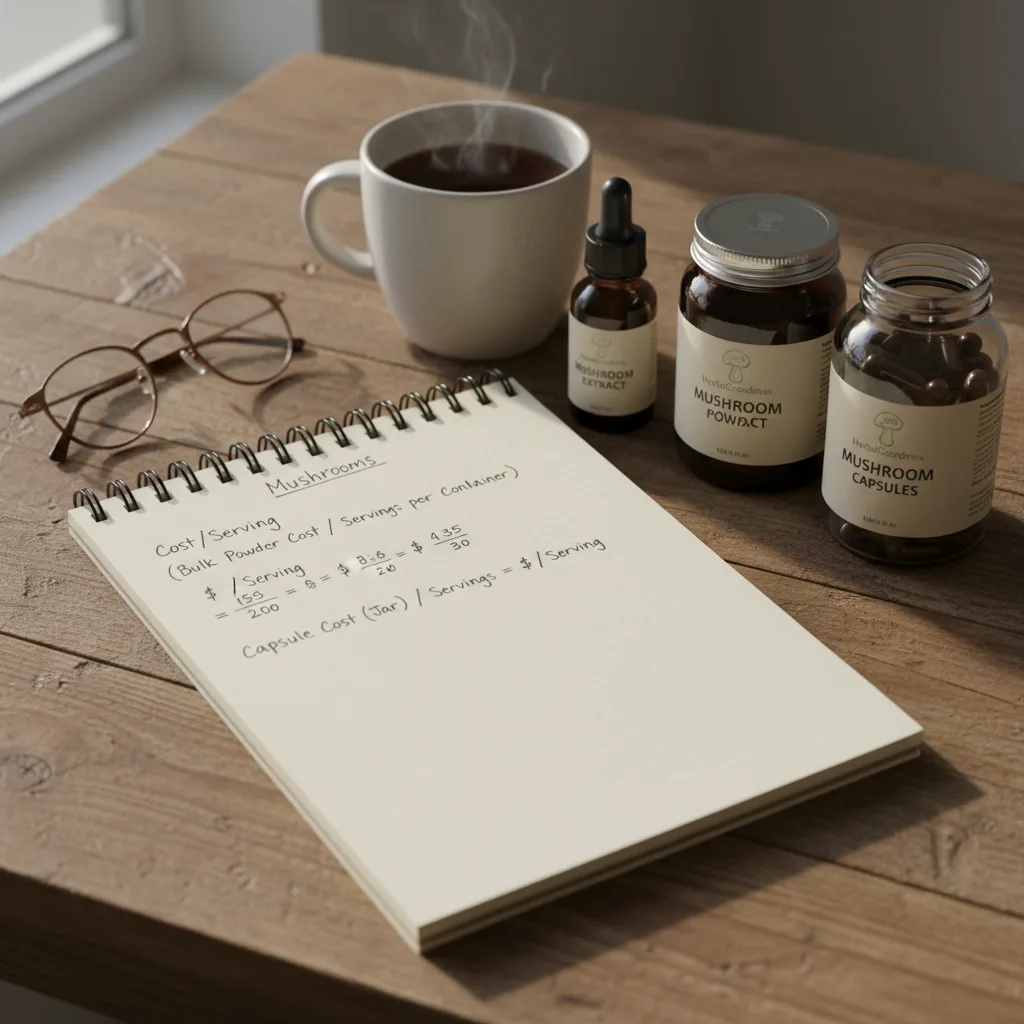
Shopping online, you’ll often find special bundle or multipack offers. Always re-calculate cost-per-serving based on the offer price and included quantities to ensure you’re getting real value. Selecting a combination of trial sizes, powders, and well-sourced capsules can help you test different formats while staying within budget.
Common Challenges and Solutions When Shopping Online
Not All Labels Are Created Equal
Some brands may use flowery descriptions instead of precise serving suggestions—leading to confusion around cost-per-serving. When in doubt:
- Contact customer support for clarity.
- Check the FAQ sections of the retailer’s website for serving details.
- Use comparative keyword searches like “cost per serving” plus the product type (e.g., “best quality mushroom tincture cost per serving”) while shopping online to find transparent brands.
Factor in Premium Features and Sourcing
If you see a higher price-per-serving but the brand emphasizes organic cultivation, advanced extraction, or premium sourcing, consider whether these match your priorities. While the upfront investment could be more, the peace of mind from greater transparency may be worth it, as is featured in products like Mushroom Blend Organic 15X Extract.
Understand Cost Relative to Your Usage
If you plan to use mushroom supplements daily for a month, calculate how many containers you’ll need. Sometimes a larger initial purchase can offer a lower price-per-serving overall. Trial sizes such as Organic Papaya Leaf Extract 1oz | 15X Liquid – Trial & Travel Size help you establish how quickly you’ll go through a product before committing to larger sizes.
Understanding the practical side—serving math, extract ratios, and shopping logistics—will empower you to make informed choices as you shop for mushroom tinctures, powders, or capsules online.
FAQs:
- How do I calculate cost-per-serving for mushroom tinctures when shopping online?
Divide the tincture bottle price by the total number of servings, using serving size and bottle size info from the product label. For example, a 60 mL bottle with a 1 mL serving size has 60 servings. A $36 bottle equals $0.60 per serving.
- What does the extract ratio mean for mushroom supplements?
The extract ratio (like 10:1 or 4:1) shows how much raw mushroom is used to make the product. A higher ratio means greater concentration, impacting both serving size and cost-per-serving when comparing mushroom tinctures, powders, and capsules.
- Is it better to buy mushroom supplements in tincture, powder, or capsule form?
It depends on your preferences for convenience, serving flexibility, and price. Calculating cost-per-serving and considering premium factors like organic quality can help you choose the best option for your lifestyle.
- How do I know if I'm getting the best quality mushroom supplement online?
Check for third-party certifications, organic or premium sourcing details, and clear serving instructions. Reading customer reviews and comparing cost-per-serving using accurate label math can help you shop confidently.
- What shopping tips help when comparing mushroom supplement prices online?
Look for sample sizes, account for shipping costs, check return policies, and always calculate the real cost-per-serving to guarantee value when you order mushroom tinctures, powders, or capsules online.
- Do serving sizes vary between mushroom brands and formats?
Yes, serving sizes can vary widely between tinctures, powders, and capsules, so it's crucial to check label details for each product and recalculate cost-per-serving before you buy.
Author Name:
Herbal Goodness Editorial Team
Author Bio:
The Herbal Goodness Editorial Team specializes in holistic health and superfoods, blending science and nature to educate and empower our community.
References:
Introducing Graviola to Young Taste Buds: Fun, Family-Friendly Flavor Exploration
Graviola in the Classroom and at Home: Creative Activities to Teach Kids About Tropical Plants
Why Social Impact Matters in Plant-Based Wellness