


Oil of Oregano Near Me: Where to Buy, Grow, or Source It Locally

If you’ve ever searched for “oil of oregano near me” and come up empty, you’re not alone. Many people discover that their local markets, health shops, or even online listings don’t offer the fresh oregano oil or herb they want—especially in rural areas, during specific seasons, or when looking for truly small-batch, high-quality harvests. This guide takes you beyond commercial sourcing and shows how anyone—beginner to enthusiast—can creatively partner with local growers, connect with community gardens, and even start their own oregano plant at home. Along the way, you’ll learn how to identify genuine oregano, check for quality cues, approach growers, and arrange easy, safe swaps with your community. Let’s turn an empty search into an inspired local project or home-growing journey, step by step.
Understanding Why Oil of Oregano Isn't Always Available Locally
Many people type “oil of oregano near me” into search engines hoping for a quick answer, only to find limited or generic results. Oregano is a Mediterranean herb that thrives in warm, sunny climates and well-drained soils. While it grows well in many parts of the U.S., small-scale local production can be seasonal, and not every farm or garden has it on hand. Commercially bottled oil of oregano usually comes from large producers, but if you're seeking something fresh, ethically grown, or locally harvested, you'll need a different approach.
If immunity is your primary concern, you might also explore Soursop Leaf Graviola Extract 15X Liquid | Organic Cell & Immunity, which offers immune wellness support from another powerful botanical.
Step 1: Identifying Local Oregano Growers and Community Gardens
Where to Begin Your Search
- Farmers Markets: Start by visiting local markets and chatting with herb vendors. They may offer oregano fresh or dried, or at least know nearby growers.
- Community Gardens: Many public and school gardens cultivate oregano. Neighborhood association bulletin boards, local social media groups, and garden club events are good entry points.
- Small Farmers: Search for micro-farms and organic growers. Even those not selling oregano may be open to growing it by request, especially for a community member interested in processing their own oil.
Connecting with local growers is also a route for broader wellness goals. Those interested in herbs for wellness teas or tinctures might look for Bulk Herbs & Roots Online for Tea, Tinctures & DIY Wellness - Organic 4oz Bags, especially if local fresh options are limited.
Talking with Growers & Gardeners
To approach local growers and community gardens, prepare respectful questions such as:
- Do you grow any oregano varieties? When is it in season?
- Are you open to a small-batch harvest or plant swap?
- Would you consider an herb-growing collaboration or partnership?
Be clear about your intentions—curiosity and willingness to learn often opens doors in these communities. Many gardeners enjoy sharing knowledge, seeds, or surplus herbs.
Step 2: Choosing Oregano Varieties for Local Projects
There are several oregano species and cultivars. When connecting with growers or gardens—or deciding what to plant—here’s what matters:
- Common Oregano (Origanum vulgare): Most widely grown, with classic savory aroma.
- Greek Oregano (Origanum heracleoticum): Intense flavor, popular for culinary and oil-making uses.
- Golden Oregano: Mild and ornamental, suitable for mixed garden beds.
Ask growers what varieties they have, and research which are best-suited to your local climate. Most varieties do well in full sun, tolerate poor soils, and grow as perennials in USDA zones 5-10. If you are inspired to grow or process additional herbs, consider supplementing your pantry with products like Raw Sea Moss 8oz Bag | St. Lucia Wildcrafted – Nature's Multivitamin for broad-spectrum nutrition.
Step 3: Understanding Seasonal Timing and Planning Your Project
Oregano growing and harvesting is closely tied to the seasons:
- Spring: Best time to plant oregano seeds or transplants. Community gardens often distribute starters in late spring.
- Late Spring to Early Summer: Plants mature and are ready for first harvests. This period provides the most intense essential oil content in leaves.
- Midsummer: Cut established plants to encourage regrowth. Herb festivals and swaps are common in late summer.
- Fall: Second harvest window. Perennials may require mulching and protection in cooler climates.
Connect with local growers early in the season to plan ahead, and agree on harvest times or plant swaps. Many seasoned herbalists also turn to Bulk Loose Leaf Teas & Tisanes - Organic 4oz - Herbal Wellness Teas when fresh herbs aren’t available but they wish to maintain their wellness routines.

Step 4: Assessing Oregano Quality—What to Look For
Before harvesting, processing, or swapping oregano, check for these freshness and quality cues:
- Aroma: Leaves should have a distinctly spicy, savory scent. Faint or musty smells indicate age or poor storage.
- Leaf Color: Healthy oregano is bright green (variegated in certain types), with no spots or yellowing.
- Texture: Leaves are soft and pliable, not dry or dusty unless intentionally dried.
- Harvest Timing: Morning harvest is traditional for best oil content, as the heat of the day can cause some aromatic compounds to evaporate.
Whether sourcing from a grower, garden, or your own plot, always use sanitized snippers and avoid plants with visible damage or pests. If you’re interested in products made with careful attention to ingredient sourcing, the oil of oregano from trusted purveyors can offer a reliable solution if your home-grown herb supply is still developing.
Step 5: Safe Harvesting and Simple Post-Harvest Processing
Once you have secured fresh local oregano, basic post-harvest preparation is straightforward:
Harvesting Safely
- Get permission to harvest from any community garden, private grower, or public space.
- Use clean garden tools, wash your hands, and follow local guidelines about access and safety.
Those crafting wellness-focused gifts or stocking their kitchen may find Bulk Herbs & Roots Online for Tea, Tinctures & DIY Wellness - Organic 4oz Bags a convenient supplement to their home-harvested selections.
Cleaning and Drying at Home
- Rinse lightly in cool water to remove debris.
- Dry: Pat leaves with a paper towel, then spread in a single layer on a clean towel or drying rack in a warm, well-ventilated area, out of direct sunlight.
- Storage: Once thoroughly dry, store leaves in a glass jar with a tight lid. Label with harvest date and variety.
Swapping and Sharing Safely
- Arrange swaps with local gardeners through community boards or digital groups.
- Clearly label dried or fresh oregano shared with others—include the variety and harvest date.
- Respect swap group rules about cleanliness and avoid any cross-contamination.
Step 6: Legal and Safety Basics for Local Oregano Projects
Community Guidelines
- Always ask before harvesting in any space you don’t own.
- Avoid foraging on protected, private, or government land without explicit permission.
Health and Safety
- Use clean tools, jars, and surfaces to avoid contamination.
- Don’t offer, exchange, or use wild-harvested oregano unless you’re certain of its identification. Some wild plants resemble oregano but are not safe for use.
- If growing for the first time, get starters or seeds from reputable nurseries or trusted community members.
If you’re thinking of diversifying your home or community herbal garden, adding adaptogens or wellness herbs such as Soursop Leaf Graviola Extract 15X Liquid | Organic Cell & Immunity can be a thoughtful step toward overall vitality.
Step 7: Turning Your Search Into a Home-Grown Solution
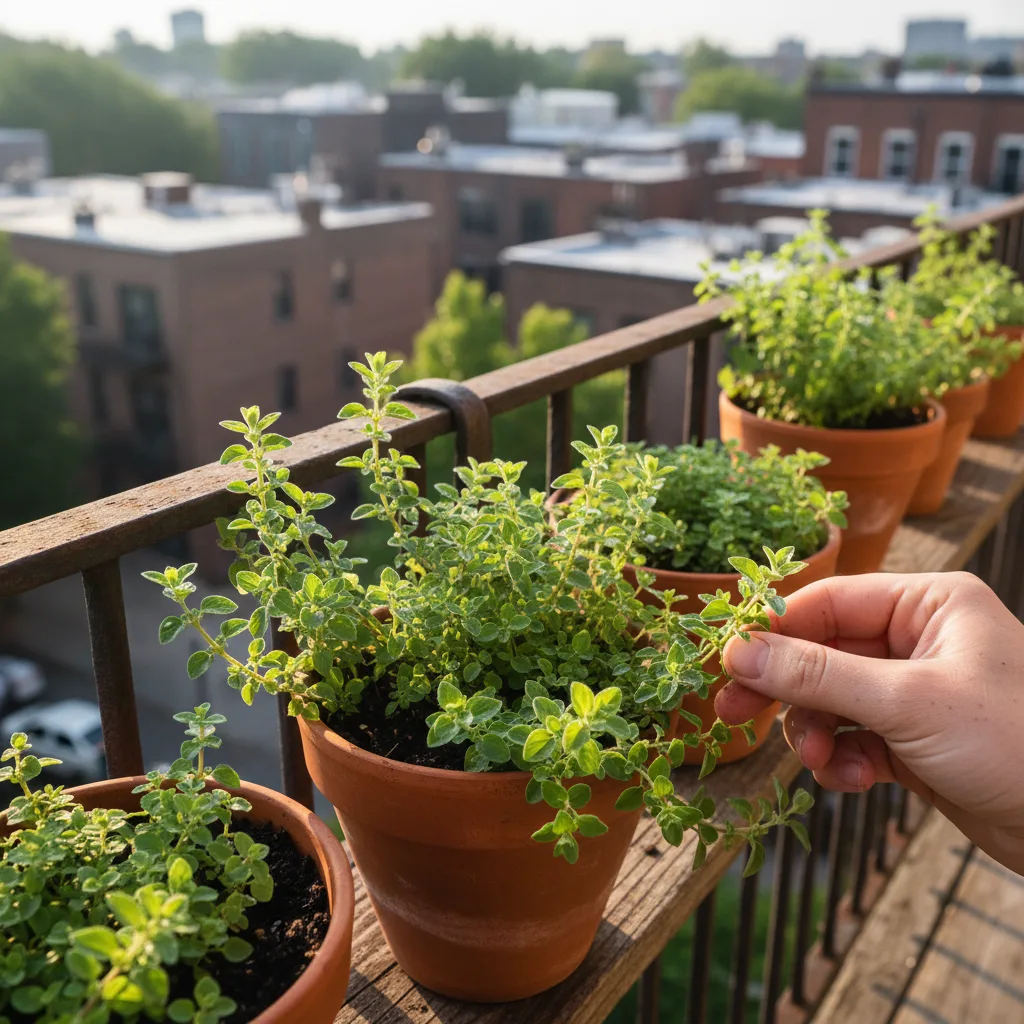
If repeated searches for “oil of oregano near me” don’t yield what you want, home-growing offers an empowering answer. Here’s a simplified plan for beginners:
- Choose a suitable spot: Oregano prefers sun and well-drained soil. Raised beds and large pots work well, even on balconies.
- Select seeds or nursery-grown plants: Greek oregano is popular for strong flavor and oil potential.
- Plant after your last local frost, water moderately, and harvest regularly once mature.
- Consider involving family or neighbors: Shared gardening projects promote skill-sharing and help everyone learn about seasonal rhythms.
Fresh garden oregano can be used in cooking, dried for year-round use, or—if you’re comfortable—experimented with in small-batch home infusions and herbal projects following safe, reputable guidelines.
Keeping a variety of nutrition and wellness boosters on hand, such as Raw Sea Moss 8oz Bag | St. Lucia Wildcrafted – Nature's Multivitamin, can complement your herbal routines during off-seasons.
Quality, Community, and Curiosity: The Heart of Local Herb Sourcing
Seeking oil of oregano nearby is about more than convenience—it’s a chance to connect with growers, discover what thrives in your region, and appreciate the patience and tradition behind every sprig. By reaching out to local gardens, starting your own plot, or organizing an herb swap, you not only access fresher herbs but gain seasonal skills and community connections that last far longer than a single bottle would.

In the end, the answer to an empty search is creativity, collaboration, and an openness to digging a little deeper—sometimes literally. Remember that each small step, from talking with a neighbor to planting a seed, helps build not just your herb supply but your place in a local, sustainable food community.
Frequently Asked Questions
Question 1: How do I know if oregano from a local source is high quality?
Answer: Look for leaves with a strong, spicy aroma, vibrant green color, and soft, pliable texture. These are all freshness cues. If you want a lab-tested, reliable alternative consider oil of oregano from a trusted supplier.
Question 2: What should I do if I can’t find oregano plants or oil locally?
Answer: You can partner with community gardeners or growers, or start growing your own oregano. Meanwhile, for wide-reaching wellness goals, try Bulk Herbs & Roots Online for Tea, Tinctures & DIY Wellness - Organic 4oz Bags or quality oil of oregano online.
Question 3: When is the best time of year to plant and harvest oregano?
Answer: Plant oregano after your local frost in spring. Harvests with the highest oil content are late spring to early summer and again in fall. For year-round herbal options, Bulk Loose Leaf Teas & Tisanes - Organic 4oz - Herbal Wellness Teas offer seasonal flexibility.
Question 4: Are there other herbs or botanicals to support immune wellness?
Answer: Yes, consider products like Soursop Leaf Graviola Extract 15X Liquid | Organic Cell & Immunity or Raw Sea Moss 8oz Bag | St. Lucia Wildcrafted – Nature's Multivitamin for natural immune and nutritional support.
Question 5: What are some safe ways to swap and share herbs locally?
Answer: Join community boards or digital groups to arrange swaps. Always label what you share (variety and harvest date) and follow cleanliness best practices. If you want to supplement with trusted botanicals, Bulk Herbs & Roots Online for Tea, Tinctures & DIY Wellness - Organic 4oz Bags is a reliable source.
Question 6: Can I use wild oregano I find growing in my area?
Answer: Only if you’re very confident in correct plant identification. Many wild plants resemble oregano but may be unsafe. For safety, opt for garden-grown or commercial sources such as oil of oregano.
Question 7: What if I want to grow and preserve other wellness herbs at home?
Answer: Starting with easy herbs like oregano is great. You can diversify your garden and pantry with Raw Sea Moss 8oz Bag | St. Lucia Wildcrafted – Nature's Multivitamin for added nutrition, or use Bulk Herbs & Roots Online for Tea, Tinctures & DIY Wellness - Organic 4oz Bags to try new blends.
Exploring local partnerships for oregano is a rewarding path to fresher herbs and deeper community ties. Let your curiosity lead you to a thriving local garden or your own porch planter—every step makes fresh, high-quality oregano more accessible.
About the Author
Herbal Goodness Editorial Team
The Herbal Goodness Editorial Team specializes in holistic health and superfoods, blending science and nature to educate and empower our community.