


Oregano Oil Antibiotic Alternative: Decoding Reviews and Quality Labels

Oregano oil has earned attention among wellness seekers, particularly through the phrase “antibiotic alternative.” While this term circulates widely in product reviews, blogs, and user forums, its meaning and implications call for careful consideration. If you’re exploring natural wellness options, you may have encountered oregano oil’s profile: a plant-derived extract, long valued in traditional botanical practices for its complex blend of phytonutrients. But what does "antibiotic alternative” really communicate in this context? And how can consumers sift through label jargon, third-party test claims, and customer testimonials when choosing a product that meets their values and standards?
This article addresses the language and expectations around oregano oil and “antibiotic alternatives,” demystifies online reviews, and clarifies which labeling details actually matter. With a focus on education and transparency—not medical advice—you’ll gain the perspective needed to approach oregano oil with confidence and discernment.
Understanding the Appeal of “Antibiotic Alternative” in Oregano Oil
Many shoppers and wellness communities use the phrase "antibiotic alternative" when referencing oregano oil. It’s important to recognize what this does—and doesn’t—mean. The phrase communicates interest in natural options that are commonly appreciated for their historic plant compounds and traditional botanical uses. However, “antibiotic alternative” is not an official regulatory term, nor does it reflect validated clinical outcomes. Rather, it signals a desire for botanicals that have been long valued in the herbal world.
Why This Language Emerged
- Wellness shoppers seek plant-based extracts with a reputation for robust properties.
- Historical texts and folk practices often mention oregano and its aromatic compounds as valued ingredients.
- Digital communities amplify anecdotal experiences, using phrases like “alternative” as shorthand.
What It Cannot Imply
- No product should promise results comparable to prescribed pharmaceuticals.
- “Alternative” must be interpreted as part of personal wellness exploration, not as a substitute for qualified professional guidance.
Oregano oil continues to attract the attention of educated consumers who seek to incorporate traditional herbal ingredients into their routines. This underscores the importance of approaching label terms, testimonials, and marketing claims with an informed lens.
Reading Between the Lines: Interpreting Oregano Oil Reviews and Testimonials
The Rise of User-Generated Content
One glance at popular online marketplaces, health forums, or natural wellness blogs reveals a plethora of oregano oil user reviews. These testimonials range from practical observations to impassioned personal stories. While anecdotal data offers insight into shopper experience, it’s crucial to navigate these reviews critically.
Assessing Oregano Oil Reviews: Questions to Consider
- Does the testimonial discuss sensory qualities (aroma, taste, etc.) or broader observations?
- Does the reviewer disclose how they used the product (topical, culinary, blended, etc.)—and does this align with the usage guidance on the label?
- Are the observations framed as “felt,” “noticed,” or “experienced,” or do they imply results that overstep evidence?
- Are reviews consistent, or do experiences vary widely?
What to Value in Genuine Testimonials
- Descriptions of aroma, consistency, and purity
- Insights into product packaging, dropper design, or ease of use
- Comments about customer service, transparent sourcing, or third-party test results
- Statements using compliant language, such as “I appreciated the purity,” rather than medical implications
Recognizing Red Flags in User Feedback
Be cautious of testimonials that employ forbidden language, guarantee outcomes, or disparage conventional approaches. Reputable producers and knowledgeable shoppers alike value education and integrity above sweeping claims.
Knowing Which Oregano Oil Label Terms and Certifications Matter
Selecting clean, organic oregano oil requires a clear understanding of label terminology. An abundance of buzzwords often populates product packaging, and deciphering these can help ensure that your expectations align with what’s in the bottle.
Key Quality Signals to Look For
1. Organic Certification A certified organic label means the oregano was grown and processed according to specific standards, limiting pesticide and synthetic input use. This ensures a cleaner plant extract and often reflects broader sustainability efforts.
2. Non-GMO Non-GMO labeling indicates that the oregano oil was derived from plants not genetically engineered. While GMO status does not guarantee quality alone, it supports transparency and personal values for many consumers.
3. Third-Party Lab Tested Third-party laboratory testing represents an external, independent evaluation of purity, potency, or potential contaminants like heavy metals or residual solvents. Look for a batch number or QR code on the packaging, which can sometimes provide access to certificates of analysis.
4. Country of Origin and Sourcing Information Oregano oil’s bioactive compounds can vary by region and harvest practices. Labels that disclose the country of origin or details about farming partnerships (such as wild-crafted or small-batch sourcing) help you understand the product’s journey from field to bottle.
5. Concentration and Extraction Method Concentration is often listed as a percentage (e.g., “70% carvacrol”), referring to the content of specific plant constituents. Extraction methods may be indicated as “steam distilled” or “supercritical,” each influencing the range of aromatic compounds present.
Label Terms to Approach Critically
- “Therapeutic Grade”: Not an officially recognized or standardized category.
- “Pharmaceutical Grade”: May sound reassuring but lacks standardized botanical benchmarks.
- “Proprietary Blend”: Can obscure the actual percentage of key active compounds.
By prioritizing products that are transparent about sourcing, purity, and testing, shoppers can move beyond flashy marketing to focus on what truly matters.
Third-Party Testing: A Pillar of Quality in the Herbal Industry
Trustworthy herbal wellness brands recognize the vital role of independent testing. For oregano oil, third-party testing can verify:
- Absence of unwanted residues (pesticides, solvents, heavy metals)
- Potency and presence of main plant constituents
- Microbial safety (in line with industry standards, not medical promises)
When choosing an oregano oil, look for batch numbers, certificates of analysis, or a commitment to transparency on the brand’s website. Herbal Goodness for example, emphasizes quality by providing sourcing information and independent testing, supporting shopper confidence without overstating benefits.

Sourcing and Sustainability: What Clean Means for Oregano Oil
As demand grows for clean-label supplements, more consumers are asking, “Where does this oregano come from?” Clean oregano oil refers to more than the absence of unwanted ingredients—it also reflects farming practices, ethical sourcing, and environmental stewardship.
What Clean, Sustainable Sourcing Can Involve:
- Wild-harvesting oregano from native habitats to preserve plant diversity
- Support for regenerative agriculture and reduced chemical inputs
- Fair partnerships with growers and transparent supply chains
Herbal Goodness as a brand committed to clean sourcing, seeks to ensure that each step in the supply chain upholds both planet and people priorities.
A focus on ethical sourcing is not unique to oregano oil. Other flagship botanicals, such as Soursop Leaf Graviola Extract - - Organic 15X Liquid Extract - Cell Renew & Immunity, reinforce similar standards for transparency and sustainability. Consumers interested in cross-comparing purity or origin can look to how these standards apply across various extracts in the herb and botanical supplement market.
Comparing Purity, Format, and Usability
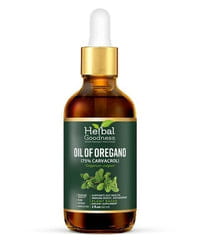
Botanical extracts like Oil of Oregano (75% Carvacrol) - 2oz Liquid - Immunity are available in several common formats: liquid drops, encapsulated oil, blends, and sometimes teas. Each format carries unique attributes, and the best choice often depends on your personal goals, routine, and intended method of use.
Attributes to Consider When Selecting Oregano Oil Formats:
- Liquid Extracts: Allow versatile serving sizes and easy mixing with carriers, but may have a strong flavor profile.
- Capsules: Offer convenience and measured quantities, potentially preferable for travelers or those sensitive to intense aromas.
- Blends or Infusions: May contain supporting carrier oils or other botanicals; always check the ingredient list for transparency.
For individuals who wish to diversify their herbal wellness routine, options like Black Seed Oil 8oz - Cold-Pressed Liquid - Immunity & Wellness offer an additional format, each subject to the same integrity and labeling considerations described above.
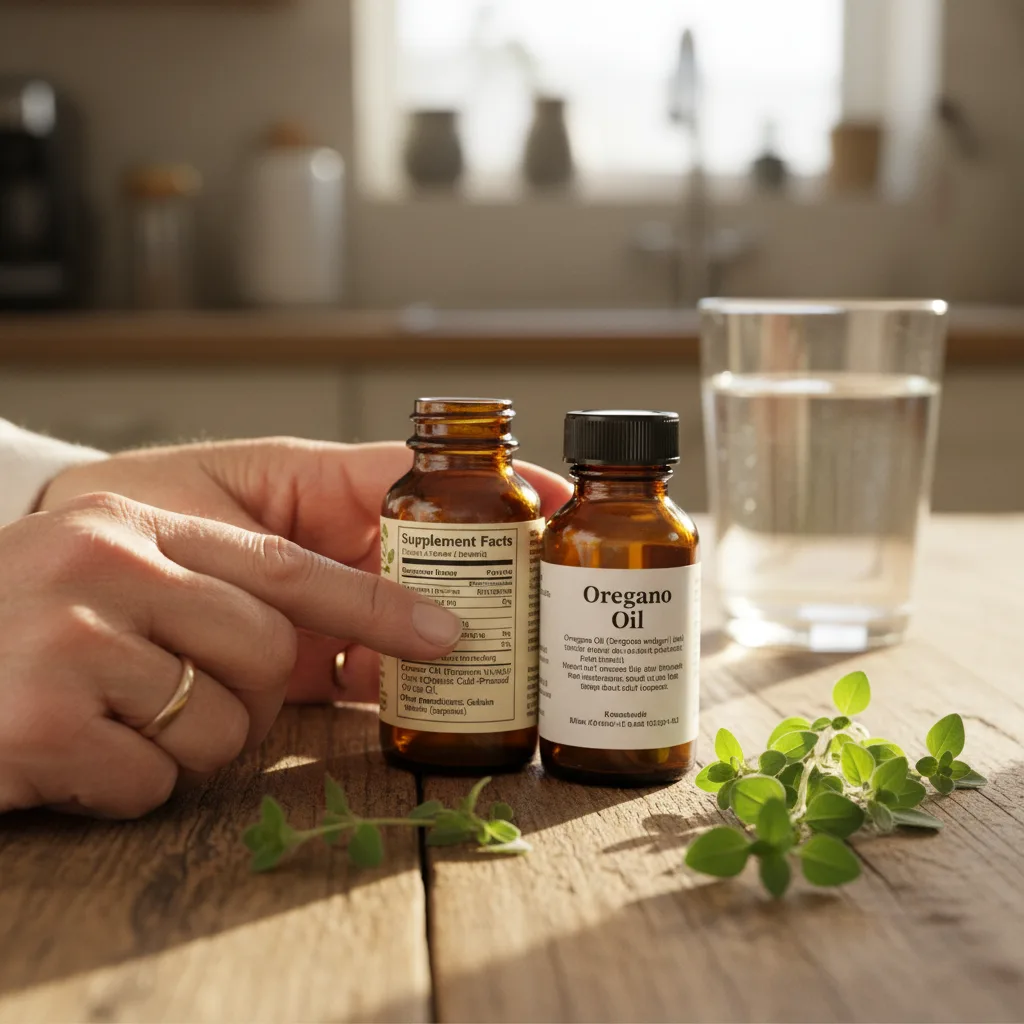
Packaging quality—such as dark amber glass to protect from light degradation—also affects the longevity and stability of oregano oil. Premium supplements often use this and similar packaging for maximum benefit preservation.
Evaluating Brand Integrity: Transparent Practices Build Trust
Consumers researching oregano oil are wise to seek brands that align with values such as honesty, stewardship, and quality. The following hallmarks often indicate a brand devoted to integrity:
- Clear disclosure of sourcing regions and farm partnerships
- Batch-specific third-party testing, with accessible results
- Responsibly crafted packaging and transparency around ingredient origins
Herbal Goodness is known in the herbal community for a stewardship-driven approach, seeking to set standards for traceability and clean ingredient sourcing. Many reputable offerings, such as Papaya Leaf Extract - - Organic 16oz 15X Liquid Extract, also feature transparent labeling and third-party test assurances similar to oregano oil.
Empowering Your Oregano Oil Research Journey
Modern herbal shoppers are empowered by knowledge, reading not only marketing copy but also raw data: batch certificates, sourcing reports, and authentic reviews. Critical questions you can ask during your oregano oil research include:
- Does the product’s label plainly disclose third-party test results?
- Is there a meaningful story behind sourcing, rather than generic origin claims?
- Does the brand facilitate education through detailed explanations of processes and certifications?
When you prioritize education and transparency over marketing promises, you more readily align your purchases with your core values and aspirations.
Continue your oregano oil research by focusing on transparency, label clarity, and trusted sourcing practices. An informed approach leads to better choices for your wellness journey.
FAQs:
- What does 'antibiotic alternative' mean in the context of oregano oil?
In this context, 'antibiotic alternative' is a shopper-driven term reflecting interest in natural botanicals with a long history in traditional practices. It does not indicate a replacement for pharmaceuticals or imply specific health results.
- How can I tell if oregano oil is high quality?
Look for organic certification, clear sourcing, third-party lab testing, and detailed labeling. Transparency about origin and extraction contributes to cleaner, more trustworthy oregano oil.
- Are online oregano oil reviews reliable?
Reviews can offer helpful perspectives on sensory qualities and user experience. However, approach testimonials critically and avoid those promising results or using medical terminology.
- What certifications should I look for on oregano oil labels?
Key certifications include USDA Organic, Non-GMO, and confirmation of third-party laboratory testing. Be wary of unregulated terms like 'therapeutic grade.'
- Why is third-party testing important for oregano oil?
Third-party testing verifies purity and potency, confirming the product's contents match its label without bias. This builds confidence in the product’s quality and integrity.
- Does clean sourcing affect the quality of oregano oil?
Yes, sourcing from sustainable, ethical farms and wild habitats can result in cleaner, purer oregano oil and supports environmental stewardship.
Author Name:
Herbal Goodness Editorial Team
Author Bio:
The Herbal Goodness Editorial Team specializes in holistic health and superfoods, blending science and nature to educate and empower our community.
References:
Oregano Oil vs. Black Seed Oil: Sensory & Sourcing Guide
Oregano: Overview – National Center for Complementary and Integrative Health (NCCIH)
Comparative Study on Chemical Composition of Origanum vulgare Essential Oil – PubMed