Organic Moringa Extract: DIY Natural Colorant Ideas for Home

Few plants capture natural vibrancy like organic moringa. Beyond its celebrated use in wellness, moringa’s naturally green pigments inspire crafters, home cooks, and DIYers to explore its potential as a botanical colorant. How does moringa extract or powder behave when you use it to dye fabric, tint food, or add a pop of plant color to homemade skincare? This guide breaks down gentle, curiosity-driven home experiments—including pH tests, mild heat tests, and beginner-friendly fabric dyeing—to help you get hands-on with natural color innovation. You’ll also learn what to expect when choosing moringa as an eco-friendly dye for creative projects.
Exploring Moringa's Natural Pigments
Moringa leaf powder and extracts are valued for their rich, earthy green—a tone derived mainly from chlorophyll and plant polyphenols. The specific shade can vary based on how the moringa is dried, processed, and stored. For coloring applications, these natural pigments are appreciated not only for their hue but also for their gentle, non-synthetic origins.
Why Moringa for Coloring?
- Eco-Friendly: Plant-based and biodegradable, moringa colorants reduce reliance on artificial dyes.
- Versatile: Usable across culinary, textile, and homemade skincare scenarios.
- Safety: Especially in the kitchen or for kids’ projects, moringa offers a gentle option.
If you're interested in the benefits of botanical colorants, exploring options such as Raw Sea Moss 8oz Bag | St. Lucia Wildcrafted – Nature's Multivitamin adds further depth to your plant-based palette.
Moringa Powder vs. Extract: What’s Best for Your Project?
Before experimenting, consider whether to use powdered moringa or a liquid extract. Each offers distinct coloring properties:
- Powder: Tends to maintain more pigment and chalky green density, ideal for dry blends or food recipes.
- Extract: Dissolves easily, spreads pigment more evenly, and is often suited for liquid-based color needs like natural paints or skincare formulas.
Choose organic sources—such as those offered by Moringa Leaf Extract 15X Liquid | Organic – Immunity & Total Wellbeing—to further ensure purity and color reliability.
Home Experiment 1: pH Sensitivity Test
One of the joys of natural dyes is seeing how their color shifts in different settings. Moringa’s colorants, especially chlorophyll, are pH-sensitive—meaning their vibrancy can vary from acidic to alkaline environments.
How to Test pH Effects on Moringa Color:
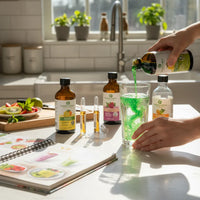
- Prepare Three Small Cups: Mix equal amounts of water and a teaspoon of moringa powder or a few drops of extract in each.
- Add Acidity: To one cup, add a few drops of lemon juice. Observe the immediate color change.
- Test for Alkalinity: Add a tiny pinch of baking soda to the next cup and mix gently.
- Control: Leave the third as is for a baseline.
What to Expect:
- Acidic environments (lemon juice) often lead to a more yellow-green tone or muted color.
- Alkaline additions (baking soda) may intensify the green or create a slight blue hue.
- Neutral water should display the extract’s natural color.
Takeaway: Moringa’s versatility opens up playful opportunities for color exploration, especially in food or skin care where pH naturally varies.
For those who love to experiment, combining plant colorants with nourishing ingredients like Organic Papaya Seed Powder 4oz | Gut Cleanse & Digestive Support can bring new dimensions to both your recipes and projects.
Home Experiment 2: Heat Stability Test
Heat can also impact the shade and stability of moringa’s coloring. This is an important consideration if you’re thinking of using moringa extract in recipes that involve baking, boiling, or even in body care infusions.
How to Test Heat Effects:
- Color a Water Sample: Mix a small amount of moringa powder or a few drops of extract with water in a clear glass jar.
- Divide Into Two Jars: One will remain at room temperature; the other will be gently warmed (not boiled) in a saucepan.
- Observe: Note any fading, color shift, or vitality loss after 5-10 minutes of gentle heating.
What to Expect:
- Moderate heat generally preserves green hues but prolonged or high heat may dull or yellow the pigment.
- Cool uses (like smoothies or unbaked snacks) often keep the color truest.
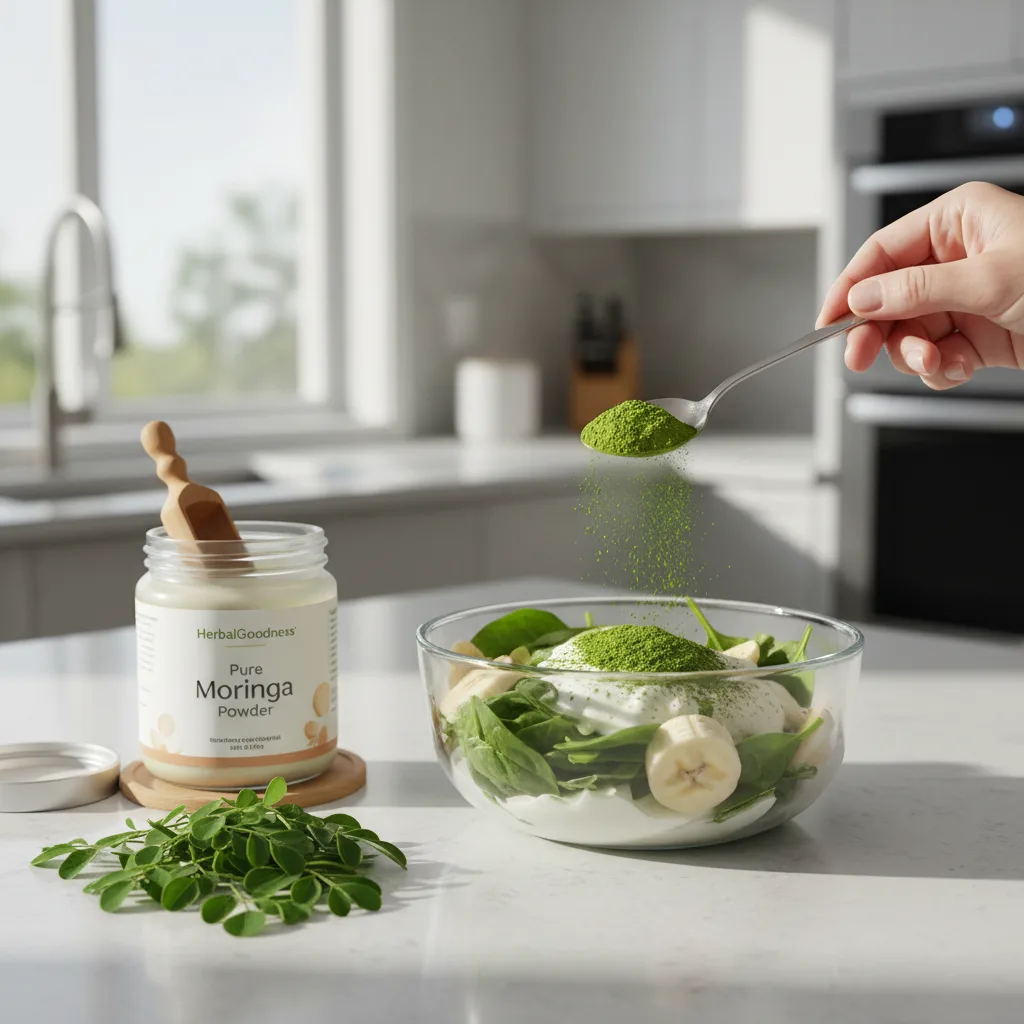
Tip: For projects like soups, sauces, or topical oils, add moringa at the end of cooking to retain more color potency.
Home Experiment 3: Fabric Dyeing with Moringa (No Mordant Needed)
Moringa provides a soft, earthy green hue—gentle and ideal for beginner plant-dyeing projects. Unlike some stronger plant dyes, moringa often requires no mordant (a chemical fixer) for basic home experiments, making it safer and simpler for all ages.
Materials Needed:
- Organic moringa powder (or strong extract)
- Natural fabric swatches (cotton, linen, or silk work best)
- Warm water
- Clean bowls or jars
Steps:
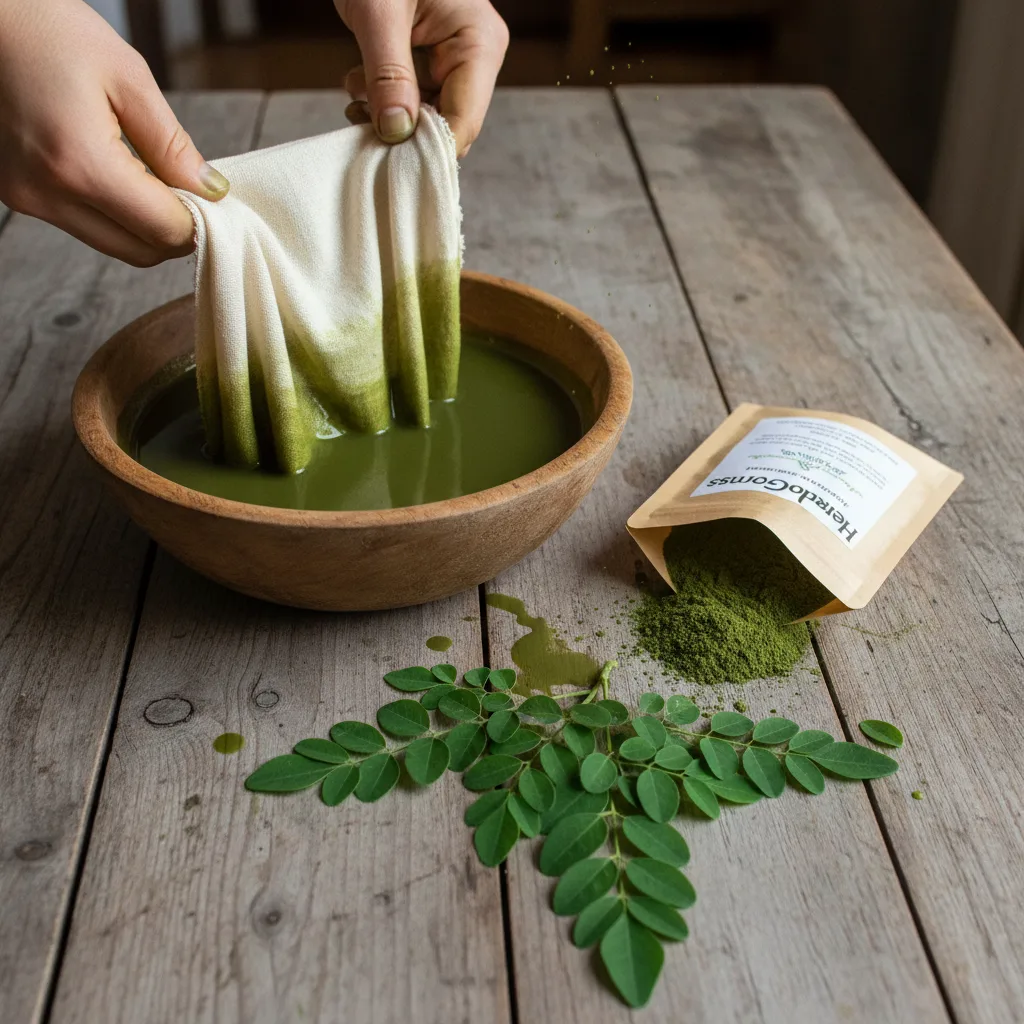
- Make Your Dye Bath: Dissolve 2-3 tablespoons of moringa powder into a bowl of hot water, stirring well.
- Soak Fabric: Submerge fabric swatches, agitating gently to ensure even exposure for at least 30-60 minutes.
- Rinse and Dry: Remove, rinse under cool water, and allow to air dry away from direct sunlight.
What to Expect:
- Results may yield a subtle, mossy-green rather than a vibrant shade.
- The hue can fade after repeated washing, but it remains a natural, beautifully muted color.
Note: Using pre-washed, natural-fiber fabrics leads to the best uptake of color.
Using Moringa as a Food Colorant
Moringa’s naturally green tone adds vibrancy to many kitchen creations. Choose culinary-grade, organic moringa for any food experiment. You may also consider enriching your homemade blends with Raw Sea Moss 8oz Bag | St. Lucia Wildcrafted – Nature's Multivitamin for additional color and nutrients.
Simple Ways to Experiment:
- Shakes & Smoothies: Blend a small quantity for a rich green tint—perfect for plant-based recipes.
- No-Bake Snacks: Stir into energy bites, yogurt, or homemade ice pops.
- Natural Icing Pigment: Mix powder with a little water to form a paste, then blend into icing or batter.
What to Expect:
- Moringa transforms foods with an earthy, herbal-green. The exact shade depends on the other ingredients, pH, and batch size.
- It pairs particularly well with creamy and nutty flavors that can support its distinct earthiness.

Moringa Extract in Skincare DIYs
Those pursuing natural beauty routines often explore moringa for its rich color and gentle properties. Moringa powder and extract can add lush green tones to masks, scrubs, or body butters. When crafting vibrant skincare recipes, adding a nutrient-boost like Organic Papaya Seed Powder 4oz | Gut Cleanse & Digestive Support offers gentle yet effective benefits.
Safe-Skin Experiment:
- Face Mask Tint: Blend a pinch of moringa powder into a plain, unscented clay or yogurt mask. Notice how the green blends in, offering a vivid and inviting look.
What to Expect:
- The color will be most vibrant initially but may fade as the mask dries or is rinsed away.
- Always patch test before applying new ingredients to your skin.
For those curious about plant-powered beauty, Moringa Leaf Extract 15X Liquid | Organic – Immunity & Total Wellbeing offers a potent base not only for crafts but also for topical creations.
Tips for Choosing the Right Moringa Extract or Powder
Not all moringa products are created equal, especially for craft or culinary coloring. Here are tips for home experimenters:
- Opt for Organic: Guarantees a clean, additive-free pigment ideal for edible and topical uses. Moringa Leaf Extract 15X Liquid | Organic – Immunity & Total Wellbeing is a trusted organic option.
- Choose Fine Powders: Finer grinds dissolve and disperse better, producing more even color.
- Check Source and Freshness: Look for reputable suppliers (such as Raw Sea Moss 8oz Bag | St. Lucia Wildcrafted – Nature's Multivitamin) that value quality and freshness—dull odors or a brown hue can signal degraded pigment.
- Experiment in Small Batches: Start with small amounts to test result differences between batch, source, and medium.
What to Expect: Natural Limitations and Creative Possibilities
- Color Longevity: Unlike synthetic dyes, moringa’s color generally fades with light, water, or repeated washing—this natural impermanence is part of its unique charm.
- Shade Variation: No two batches are identical; output depends on the moringa source, processing, and intended use. Subtlety is a signature trait.
- Combination Potential: Moringa pairs well with other plant colorants for layered effects in art or culinary projects. Blending with powders such as Organic Papaya Seed Powder 4oz | Gut Cleanse & Digestive Support can inspire new shades and textures.
Final Thoughts: Moringa for Everyday Creativity
Curiosity and play define any home experiment, especially when working with organic moringa extracts or powders. The subtle greens you can create—on fabric, in recipes, and through DIY beauty—feel both grounded and fresh. While the hues are rarely as bold as commercial dyes, they offer a reminder of the beauty and variability found in nature itself. With reliable sources and an open mind, Moringa Leaf Extract 15X Liquid | Organic – Immunity & Total Wellbeing becomes a gentle yet inspiring partner in at-home creativity.
Frequently Asked Questions
Question 1: Can moringa powder or extract be used on any type of fabric?
Answer: Moringa can dye natural fabrics like cotton, linen, or silk best. For optimal results, use natural-fiber textiles and consider plant-based options, just as you would with Moringa Leaf Extract 15X Liquid | Organic – Immunity & Total Wellbeing.
Question 2: Will moringa's green color fade quickly on fabric or foods?
Answer: Moringa pigments are naturally less permanent than synthetic dyes and may fade with washing, sunlight, or heat over time, similar to other plant powders like Organic Papaya Seed Powder 4oz | Gut Cleanse & Digestive Support.
Question 3: Is moringa safe to use as a food colorant?
Answer: Yes, culinary-grade, organic moringa is safe for eating and can add a rich, natural color along with nutritional benefits. Always choose high-quality options for food, such as Moringa Leaf Extract 15X Liquid | Organic – Immunity & Total Wellbeing.
Question 4: How does heat affect moringa’s color in recipes?
Answer: Gentle heat preserves the green hue, but prolonged or high heat may cause dulling. Adding moringa at the end of cooking helps maintain a vibrant color in foods and drinks.
Question 5: Can moringa powder be mixed with other plant powders for a custom shade?
Answer: Absolutely! Combine moringa with other plant powders such as Organic Papaya Seed Powder 4oz | Gut Cleanse & Digestive Support or Raw Sea Moss 8oz Bag | St. Lucia Wildcrafted – Nature's Multivitamin for creative color blends.
Question 6: Is moringa colorant appropriate for sensitive skin in DIY cosmetics?
Answer: Moringa is gentle and often used in DIY skincare. Always patch test before using and opt for pure, organic ingredients like Moringa Leaf Extract 15X Liquid | Organic – Immunity & Total Wellbeing.
Question 7: What are the main differences between using moringa powder and extract for coloring?
Answer: Powder gives denser color and works well in dry or thick mixes, while liquid extract dissolves for more even hues in skincare or beverages. Both offer creative ways to experiment with color in natural projects.
Ready to bring natural creativity into your everyday routines? Try organic moringa powder or extract for your next home experiment and experience the fresh perspective of plant-based color.
About the Author
Herbal Goodness Editorial Team
The Herbal Goodness Editorial Team specializes in holistic health and superfoods, blending science and nature to educate and empower our community.
References
Where to Find Moringa Near You: Culinary vs. Supplement Products
Buying Moringa Extract in Bulk for Cafés & Small Food Makers: A Practical Planning Guide