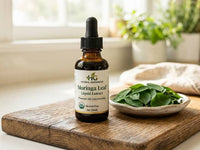
Standardized Moringa Leaf Extract: What It Means for Quality & Supply Chains

Understanding Standardized Moringa Leaf Extract: Foundations and Purpose
As interest continues to rise in superfoods and sustainable plant-based ingredients, standardized moringa leaf extract has emerged on the labels of many metabolic-support products. But what does "standardized" actually mean in this context? How does it impact where moringa comes from, how the plant is processed, and what shows up in your supplement or tea? This article demystifies standardized moringa leaf extract—exploring its role in supply chain integrity, quality consistency, and transparent labeling for conscious consumers.
What Does “Standardized” Mean in Herbal Extracts?
Standardization is a quality control process where an extract is manufactured to contain consistent amounts of specific plant compounds—often called marker compounds. In the case of moringa leaf extract, standardization typically involves identifying, concentrating, and verifying marker compounds naturally present in moringa leaves.
Why is this important for consumers?
- It helps ensure each batch of extract is similar in composition, flavor, and potential physiological activity.
- It can aid companies in providing transparent, reliable label information.
- It supports traceability from plant to product, which is increasingly valued by discerning buyers.
Marker Compounds in Moringa
Marker compounds are the specific molecules chosen to represent the consistency of a plant extract. For moringa, several key groups of compounds are commonly monitored as markers:
- Polyphenols: Known for antioxidant activity.
- Flavonoids (such as quercetin): Compounds studied for their presence in moringa leaves.
- Vitamins (like vitamin C) and minerals (iron, calcium): Valued for nutritional content.
The selection of which marker(s) to standardize affects both the extract’s reported profile and its manufacturing process.
Harvesting and Sourcing: Behind the Supply Chain of Moringa Leaf
Growing demand for standardized moringa leaf extract means sourcing must support both supply and quality. Moringa oleifera, often called the “miracle tree,” is native to parts of South Asia and Africa but is now cultivated globally. The sourcing chain can influence everything from extract strength to socio-economic and environmental impact.
Key Sourcing Considerations:
- Origin and terroir: Climate, soil, and farming methods all affect compound levels in the harvested leaves—impacting how easy it is to consistently standardize extracts.
- Harvest timing: The maturity and freshness of leaves can change the concentration of marker compounds.
- Farming practices: Organic, regenerative, or fair-trade certifications reflect not only on quality but also on ethical and ecological responsibility.
Environmental and Social Trade-Offs:
- Sustainable sourcing supports biodiversity and soil health, but may be more labor-intensive and costly.
- Larger, more industrial operations may offer lower costs and higher volume but could put pressure on local farming communities.
- The choice of extraction and standardization methods may require larger energy and water inputs, which contributors may seek to offset with eco-friendly initiatives.
Consumers increasingly ask how moringa is grown, harvested, and transported—not just what is in the bottle. Inquiries about third-party certifications, region of origin, and supply chain transparency are all relevant.
Extraction Methods: How They Shape Standardized Moringa Leaf Extract
After harvest, moringa leaves undergo extraction to concentrate the marker compounds. The specific method can affect safety, potency, and environmental impact.
Common Extraction Techniques for Moringa
- Aqueous extraction: Uses water, making it preferred for those seeking natural processes; may yield a broader compound spectrum but sometimes at lower concentrations.
- Solvent extraction: Utilizes food-grade alcohol or other solvents to pull out targeted compounds; can enhance marker concentration but may raise questions about residual solvents or sustainability.
- Supercritical CO2 extraction: Employs carbon dioxide under pressure—efficient and solvent-free, but often costlier and less common in moringa than in oils or seeds.
Why Extraction Matters: Different extraction choices lead to variations in:
- Marker potency (actual amounts of flavonoids, polyphenols, etc.).
- Taste and color of the final extract.
- Sustainability and environmental trade-offs (energy and water use, biomass disposal).
The extraction method is often listed on quality suppliers’ documentation, and some brands will share this information directly with customers upon request.
Quality Control and Label Transparency
Standardization is meaningless without robust quality assurance, consistent lab testing, and honest communication on labels and websites. Here’s how quality control in standardized moringa leaf extract comes together:
Laboratory Testing: Verifying Consistency
Every batch of standardized moringa leaf extract is ideally tested for its marker compounds using advanced techniques such as HPLC (High-Performance Liquid Chromatography) or spectrophotometry.
What’s commonly checked?
- Levels of key marker compounds (e.g., total flavonoids per serving)
- Purity (to ensure no unwanted additives or contaminants)
- Moisture content and shelf stability
Transparent brands make Certificates of Analysis (CoA) available to retailers and sometimes directly to consumers—a significant step for traceability.
Reading Moringa Product Labels
A product made with standardized moringa leaf extract should state:
- The amount (by percentage or milligram) of each marker compound per serving
- The extraction method (sometimes required under industry standards)
- Country or region of origin, if applicable
- Identifying batch or lot number for auditability
Clear labeling helps consumers make informed choices and facilitates communication between brands and end-users seeking more detail about what they’re consuming.
Traceability, Sustainability, and Ethical Sourcing
Modern consumers care as much about the path of their product as about its benefits. Standardization can’t compensate for questionable farming or social practices. Here’s what to consider:
Environmental Considerations
- Water use: Some extraction methods and regions are more water-efficient than others.
- Soil health: Rotational farming and organic methods help support longevity of moringa crops.
- Packaging: Sustainably sourced, recyclable, or compostable materials signal eco-conscious choices.

Social Impact
- Fair wages and conditions: Does the company or cooperative pay fair wages to farmers?
- Community projects: Are there local education or community development initiatives linked to the moringa supply chain?
- Transparency: Does the company share provenance, certifications, or audits that confirm ethical sourcing?
Standardization Approaches: What Makes Them Different?
The natural composition of moringa leaves can vary widely based on geography and farming practices. Standardization helps balance this variability but isn’t a one-size-fits-all process.
Common Approaches to Standardizing Moringa Leaf Extract
- Single marker standardization: Focuses on one compound (such as polyphenols or a specific vitamin) for consistent potency.
- Multiple marker standardization: Measures several compounds for a broader consistency profile.
- Whole extract standardization: Maintains the full spectrum of moringa’s compounds by standardizing based on the original leaf’s natural range.
Each method has trade-offs in terms of:
- Consumer transparency
- Ease of quality control
- Representation of the plant’s natural complexity
- Practicality for large- or small-scale production

Label Transparency and What to Look For
Consumers interested in label transparency can ask brands:
- Which marker compounds are standardized in your moringa extract?
- What is the typical variance from batch to batch?
- Do you provide Certificates of Analysis showing test results?
- Is your extract single-marker or multi-marker standardized?
- How do you verify the identification and purity of your moringa?
The willingness of companies to share this information often signals their commitment to standards and openness.
Practical Consumer Questions: Making Informed Choices
Whether you’re seeking moringa leaf extract for its nutritional profile or as a key ingredient in metabolic-support products, curiosity is your ally. Here’s a checklist of practical, non-technical questions you can ask suppliers or brands to ensure you’re getting a quality, ethical, and transparent product:
- Where is your moringa grown, and who farms it?
- What process is used to extract and standardize the marker compounds?
- Can I see independent lab results or Certificates of Analysis?
- Is your product third-party certified (organic, fair-trade, etc.)?
- What steps do you take to ensure sustainability in sourcing and packaging?
- How do you ensure consistency and traceability from batch to batch?

Being able to ask and understand these questions helps you participate in the story of your supplement or food product, supporting efforts toward greater transparency and integrity industry-wide.
The Role of Standardization in the Future of Moringa and Metabolic-Support Products
As the popularity of moringa continues to grow, especially in products with a focus on metabolic wellness, so too does the responsibility for brands and consumers to prioritize standardization, sustainability, and ethical sourcing. Standardized moringa leaf extract stands at the intersection of botanical tradition and modern quality assurance—offering consistency, traceability, and a pathway to improved transparency in the herbal wellness space.
By understanding what standardized moringa leaf extract really means, you empower yourself to make choices that honor not only your own well-being, but also the communities and environments that bring moringa from the field to the final product.
Looking for other sustainable and ethical botanicals? Explore the nutrient-rich benefits of Papaya Leaf Extract 16oz – Organic 15X Liquid Papaya Leaf Herbal Supplement, or support your metabolic wellness further with Metabolism & Catabolism 15X Liquid Extract – Natural Blood Sugar & Metabolic Support.
Curious about the meaning behind standardized moringa leaf extract? Explore our educational resources to learn more about sourcing, quality, and transparency.
FAQs:
- What does 'standardized' mean in the context of moringa leaf extract?
In the context of moringa leaf extract, 'standardized' means the product is processed to contain consistent levels of specific plant compounds, such as polyphenols or flavonoids, across batches. This helps ensure label accuracy and quality from lot to lot.
- Why do companies choose particular marker compounds to standardize in moringa?
Companies select specific marker compounds—such as flavonoids or vitamins—based on their natural abundance in moringa leaves and their relevance to product goals. The choice helps create reliable, transparent ingredient profiles.
- How does extraction method impact the final moringa leaf extract?
Different extraction methods—water-based, alcohol-based, or CO2—affect the concentration and variety of plant compounds present, as well as the taste, sustainability, and transparency of the finished extract.
- What questions should I ask brands about their moringa products?
Ask about sourcing location, extraction and standardization methods, availability of Certificates of Analysis, third-party certifications, and sustainability efforts to gain clear insight into product quality.
- Does standardized moringa leaf extract guarantee the same nutritional benefits every time?
Standardization helps ensure consistency of marker compounds, but natural variation still exists. It supports predictable quality but does not guarantee identical nutritional effects every time.
- How can I verify if a moringa product is ethically sourced?
Look for transparency about origin, fair-trade or organic certification, community initiatives, and supplier openness regarding social and environmental practices in their supply chain.
Author Name:
Herbal Goodness Editorial Team
Author Bio:
The Herbal Goodness Editorial Team specializes in holistic health and superfoods, blending science and nature to educate and empower our community.
References:
Introducing Graviola to Young Taste Buds: Fun, Family-Friendly Flavor Exploration