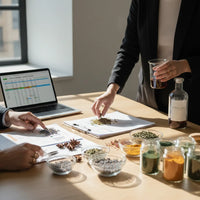
The Hidden Steps Behind Private-Label Herbal Tea Manufacturing Explained

Curious about the journey a private-label herbal tea takes before reaching that spot on the shelf? Many tea drinkers and aspiring entrepreneurs are surprised by the elaborate path behind each cup—a process packed with decisions, partnerships, and technical touches that ensure quality, consistency, and appeal. In this beginner-friendly guide, we’ll walk you through the fascinating steps of private-label herbal tea manufacturing, from carefully selecting botanicals to choosing the right packaging for lasting freshness. By shedding light on these behind-the-scenes activities, you’ll feel empowered to make informed decisions, whether you’re developing a new tea line or simply seeking to understand what’s in your mug.
Botanical Sourcing: The Foundation of Private-Label Herbal Tea
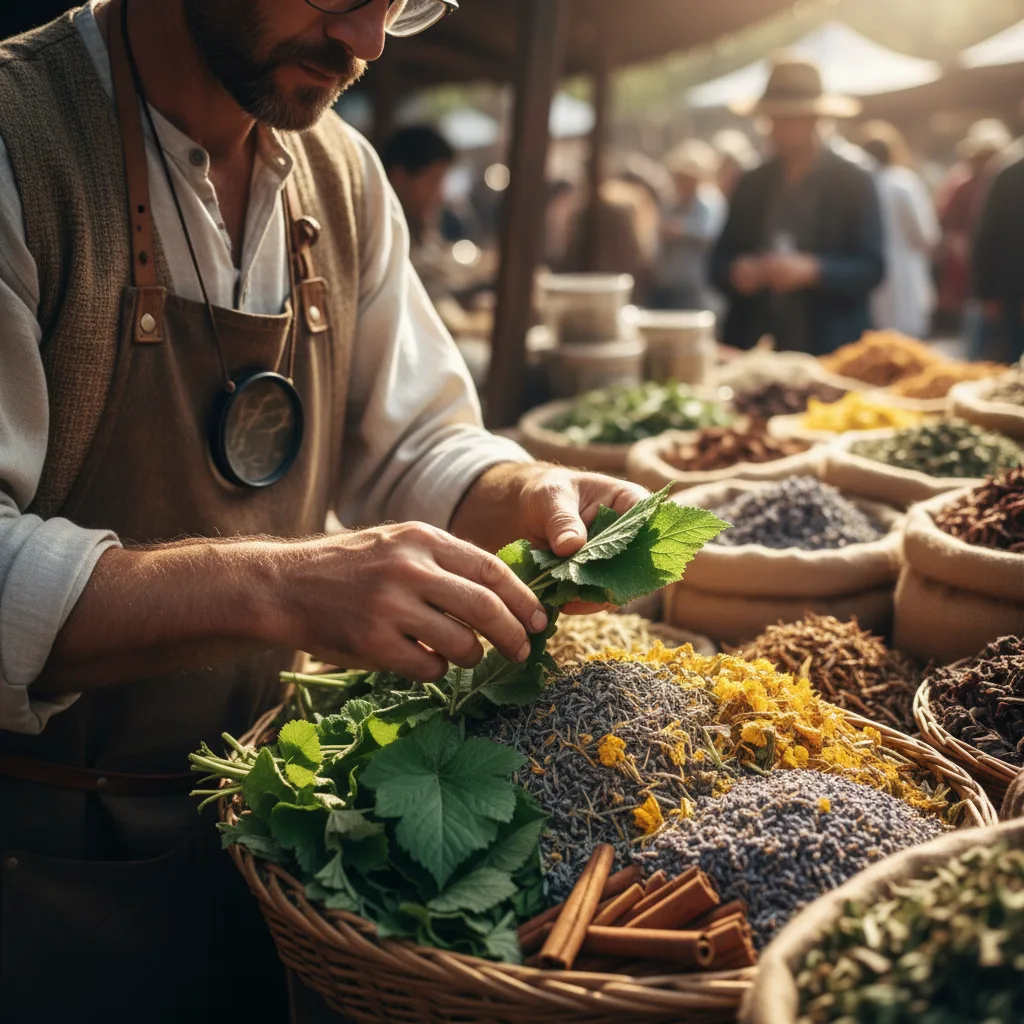
The journey starts far from the retail shelf, in fields, forests, and gardens around the globe. Sourcing botanicals for herbal tea is more than a simple procurement task; it’s an exercise in traceability, sustainability, and ethical partnership.
Selecting the Right Botanicals
- Tea manufacturers must identify growers who provide high-quality, non-GMO plants. Certified organic sources are commonly preferred, given the demand for clean products.
- Seasonal variations, location, and climate all impact the potency, aroma, and character of herbs like chamomile, peppermint, elderflower, and many more.
Traceability and Transparency
- Modern herbal tea brands emphasize transparency—documenting exactly where every botanical is grown and how it’s handled.
- Ethical sourcing often includes supporting fair working conditions and environmental stewardship in farming communities. Choosing our organic herbal teas for your blends supports a mindful approach to wellness and supply chains.
If you’re exploring how to launch or scale your own herbal tea brand, sourcing is the first step we can help you simplify.
Click here to fill our form.
Certifications: Organic, Clean-Label, and Beyond
As demand for cleaner, healthier plant-based beverages rises, certifications become crucial in the manufacturing process and marketing of private-label teas.
Organic Certification
- Organic certification ensures that herbs are grown without synthetic pesticides or fertilizers, and are processed in facilities that uphold rigorous standards.
- Products labeled as organic often undergo third-party verification, which appeals to retailers and health-conscious consumers alike. Premium certified teas, such as Soursop Leaf Tea Graviola Leaves - Organic 24/2g Tea Bags - Immunity & Cell Renew, spotlight the extra care placed into sourcing.
Clean-Label and Non-GMO Verification
- The clean-label movement focuses on transparency, ingredient simplicity, and the avoidance of artificial additives or preservatives. Herbal businesses often highlight these aspects to differentiate their offerings in the marketplace.
- Non-GMO Project verification is another valued seal, confirming that no genetically modified organisms are present in the blend.
Blend Formulation and Flavor Testing
Once chosen, raw botanicals are ready for the artistry of blend formulation—a crucial stage that shapes a tea’s identity and consumer appeal.
Crafting the Perfect Blend
- Expert tea blenders combine herbs for flavor harmony, mouthfeel, aroma, and visual appeal. They balance classic combinations as well as more adventurous profiles, continually guided by trend research and sensory testing.
- Consistency is essential; the taste, color, and scent must remain stable from one batch to the next. Varieties like Bamboo Leaf Tea – 24/1.5g Tea Bags - Nature's Collagen & Biotin allow for creative blends that cater to current consumer trends.
Testing and Tasting
- Sensory panels and laboratory assessments help ensure every batch meets flavor expectations.
- Small sample runs (sometimes called pilot batches) allow for adjustments before full-scale production, reducing the risk of inconsistencies in the finished goods.
Different Manufacturing Scales: Small-Batch vs. Contract Production
Entrepreneurs and retailers have options when it comes to how their private-label tea is manufactured.
Small-Batch Production
- Ideal for startups, specialty retailers, or limited-edition blends.
- Allows for hands-on attention, flexible lot sizes, and higher customization.
- Typically involves shorter timelines but may come at a higher per-unit cost. Small-batch makers often craft unique wellness collections, such as composing personalized offerings with the Herbal Tea Gift Set – Wellness Tea Gift Variety Collection - Organic 24 Teabags.
Contract Manufacturing
- Involves partnering with a facility capable of large-scale production.
- Suited for companies aiming for broader distribution or supplying large retail chains.
- Brings efficiencies in sourcing, processing, and packaging, but often requires larger minimum orders and longer lead times.
Basic Quality Checks: Safeguarding the Tea
Quality assurance is essential for every herbal tea product, regardless of production scale. While the specifics may vary by facility, some common checks include:
- Visual Inspections: Checking for color uniformity, foreign material, or damaged leaves and petals.
- Aroma Assessment: Freshness and authenticity are verified through smell.
- Moisture Content Analysis: Ensuring the herbs are properly dried, which aids in shelf life and consistency.
- Sample Retention: Retaining reference samples from every batch allows traceability and assists with customer feedback.
Reliable private-label manufacturers, like Herbal Goodness, often exceed required standards by integrating additional audits and traceability measures throughout production. For those launching a clean-label line, high-quality teas like Papaya Leaf Tea - Organic 24/2g Tea Bags provide a model of transparency and ingredient purity.
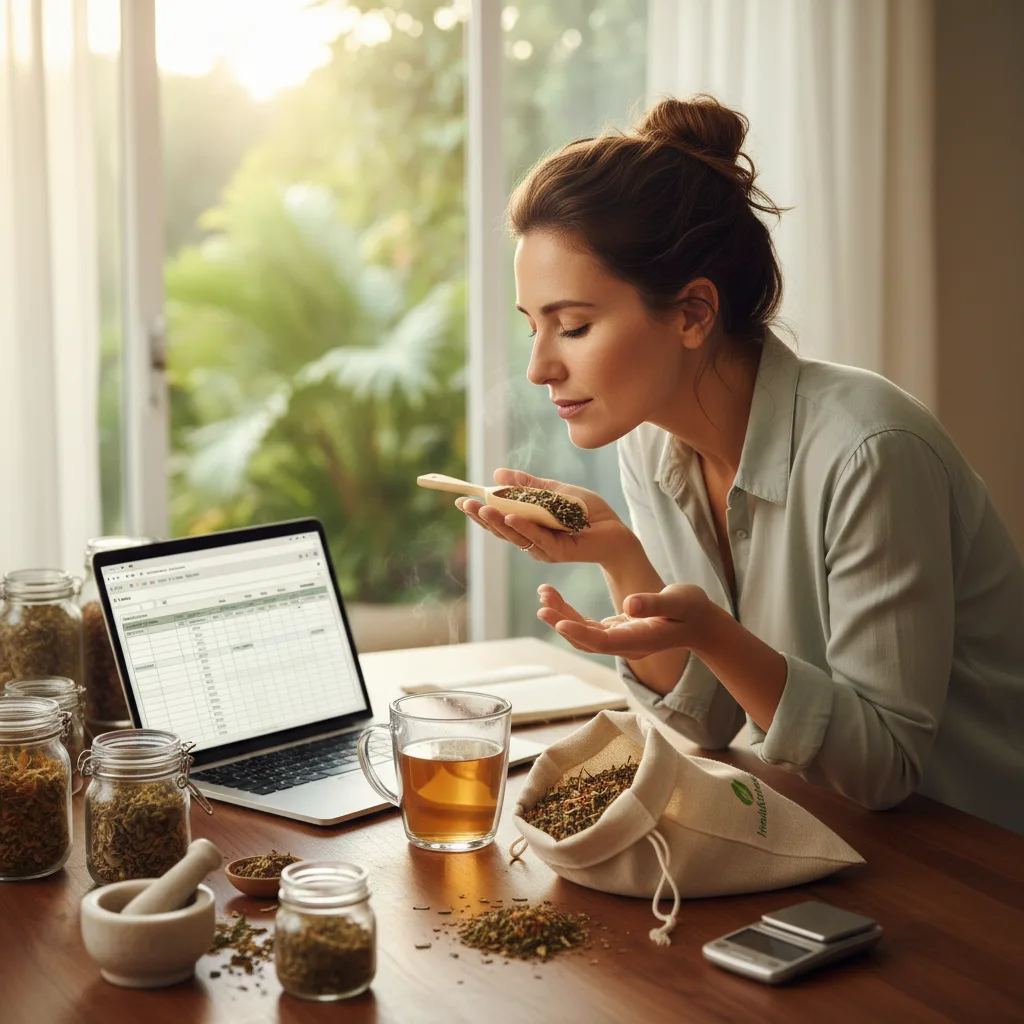
Sample Timelines: How Long Does It Take?
Timing can make or break a private-label herbal tea project, especially for new launches or seasonal offerings. Here’s a general overview of what to expect:
- Ingredient Sourcing: 1–4 weeks depending on herb type and origin.
- Blend Formulation & Testing: 2–3 weeks for sample creation and adjustments.
- Production Scheduling: 1–2 weeks for slotting into manufacturing among existing projects.
- Full-Scale Manufacturing: 2–5 weeks, depending on batch size and facility capacity.
- Packaging & Labeling: 1–2 weeks for packing and preparing finished goods.
In total, a first-run batch can be brought to completion in as little as 8–12 weeks, though complexities—like custom packaging or unexpected supply delays—might extend timelines. Choosing high-demand products for your portfolio, such as Soursop Leaf Graviola Extract - - Organic 15X Liquid Extract - Cell Renew & Immunity, could require planning around sourcing and lead times.
Packaging Choices: Preserving Freshness and Shelf Life
Packaging is where practical considerations and brand storytelling meet. The right solution can preserve the delicate flavors and bioactive qualities of herbal teas longer, while also capturing your brand’s unique appeal.
Primary Packaging Materials
- Tea Bags: Individual envelopes or pyramid bags offer convenience and portion control.
- Loose-Leaf Pouches: Often preferred for premium blends, these pouches are usually resealable and made of food-safe materials. Options such as our Bulk Herbs collection provide flexibility for custom blend development.
- Tins and Jars: Glass or metal containers evoke luxury and support longer shelf life due to their protective properties.
Influences on Freshness
- Barrier Properties: Oxygen and moisture barriers are essential for maintaining aroma and flavor integrity.
- Sealing Technology: Heat seals and zip closures help prevent air, light, and humidity from degrading the product.
- Batch Coding: Lot numbers and expiration dates contribute to traceability and inventory control. Boxed specialty teas like Hibiscus Tea - Organic 24/2g Tea bags - Heart Health highlight shelf-appealing solutions.
Bringing It All Together: From Field to Shelf
Seeing herbal tea as a product of thoughtful sourcing, skilled blending, conscientious certification, and protective packaging can transform your appreciation—whether you’re launching a private label or enjoying a daily cup. Each decision along the way influences not just flavor and shelf life, but sustainability, safety, and overall satisfaction for the end consumer. Understanding this process offers a clear path for entrepreneurs and a deeper story for every tea lover.

Ready to learn more about bringing your private-label herbal tea to life? Start exploring your options by connecting with knowledgeable partners and deepen your appreciation for the tea-making journey.
Ready to bring your private-label herbal tea idea to life with a trusted manufacturing partner?
Click here to fill our form.
FAQs:
- What does private-label herbal tea mean?
Private-label herbal tea refers to tea blends manufactured by one company but packaged and branded under another company’s name. This allows retailers or entrepreneurs to offer their own unique tea lines without creating manufacturing infrastructure.
- How are ingredients for private-label herbal teas sourced?
Ingredients are sourced from vetted botanical growers. Traceability, organic certification, and ethical partnerships are essential factors, ensuring that only high-quality, sustainably grown herbs are used.
- Why are blend formulation and flavor testing important?
Blend formulation creates the signature flavor, aroma, and color profiles. Flavor testing ensures consistency for every batch, maintaining product appeal.
- What is the difference between small-batch and contract manufacturing?
Small-batch manufacturing is ideal for limited lots and customization, while contract manufacturing provides efficiency and scalability for larger production volumes.
- What packaging choices help maintain herbal tea freshness?
Barrier packaging, such as foil-lined pouches, glass jars, and tightly sealed envelopes, helps protect herbs from oxygen, moisture, and light—crucial for retaining freshness.
- How long does it usually take to produce a private-label herbal tea?
From initial sourcing and blend testing to packaging, the entire process typically takes 8–12 weeks, depending on factors like ingredient availability and packaging customization.
- Are organic and clean-label certifications necessary for herbal teas?
While not legally required, these certifications are increasingly valued by consumers and retailers for the added transparency and assurance they provide.
Author Name:
Herbal Goodness Editorial Team
Author Bio:
The Herbal Goodness Editorial Team specializes in holistic health and superfoods, blending science and nature to educate and empower our community.
References:
Introducing Graviola to Young Taste Buds: Fun, Family-Friendly Flavor Exploration
Graviola in the Classroom and at Home: Creative Activities to Teach Kids About Tropical Plants
Why Social Impact Matters in Plant-Based Wellness