What Are the Benefits of Drinking Papaya Leaf Boiled Water? An Evidence-Aware Guide

Across homes worldwide, the ritual of boiling papaya leaves to create a warming, herbal drink is a tradition steeped in curiosity and cultural appreciation. Many seek out papaya leaf boiled water for its reputed wellness benefits, often passed down through generations or discussed in vibrant online communities. But beyond the buzz, what does drinking papaya leaf boiled water actually provide, both in terms of its traditional uses and through the lens of scientific examination? This guide takes you through a careful, evidence-aware exploration—separating time-honored uses and commonly shared experiences from what modern studies truly reveal, while making space for responsible home use and safe herbal practice.
Understanding Papaya Leaf Boiled Water: What Is It?
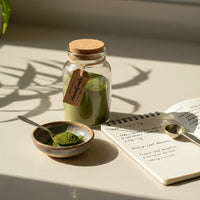
Papaya leaf boiled water, often called papaya leaf tea or infusion, is made by simmering fresh or dried papaya leaves in water until the liquid captures their essence. The resulting drink is greenish and slightly bitter with a vegetal, almost grassy flavor. Many cultures prepare it with subtle tweaks: some add ginger, honey, or lemon to adjust taste.
Boiling changes the profile of compounds extracted from papaya leaf, compared to other methods like steeping or juicing. Heat and water work together to release certain plant chemicals:
- Flavonoids and phenolic compounds: These plant-based antioxidants are water-soluble, so boiling extracts them readily.
- Papain and other enzymes: While papain, a prominent proteolytic enzyme, is abundant in papaya, it may degrade or become less active when exposed to heat. Therefore, boiled water contains less active enzyme compared to raw or cold preparations.
- Vitamins: Vitamin C and some B vitamins are water-soluble, but sensitive to heat, so they may decrease during prolonged boiling.
- Tannins and alkaloids: Some bitter phytochemicals are also leached into the water, contributing to the flavor and potential activity.
The specific mix of compounds in papaya leaf boiled water depends on the leaf’s age, how long it’s boiled, the quantity used, and whether it’s fresh or dried.

Traditional Uses vs. Early Research: Context Matters
Traditionally, papaya leaf water is valued for its use during seasonal changes, periods of fatigue, and in supporting overall vitality. Stories abound—family and friend accounts suggest feelings of refreshed energy, digestive support, or simply the enjoyment of a warming herbal beverage. In some cultures, it’s consumed as part of a broader wellness routine, often with the guidance of traditional herbal knowledge.
Contemporary research on papaya leaf has mainly focused on isolated extracts and specific compounds in controlled environments, rather than the whole-leaf boiled preparation used in homes. Early laboratory studies have explored the antioxidant potential of aqueous papaya leaf extracts and examined the presence of flavonoids, phenolics, and other plant-derived compounds. For individuals interested in more convenient options with measured concentrations, Organic Papaya Leaf Extract 16oz | 15X Liquid – Best Value Size offers a standardized way to get some of the same plant compounds featured in traditional practices.
However, controlled studies on humans drinking papaya leaf boiled water are few and preliminary. Reports often overlap traditional knowledge and anecdote with laboratory observations, making it important to interpret findings cautiously. For those monitoring wellness at home, Papaya Leaf Extract Capsules 600mg | 10X Strength – Platelet Support may be considered as a convenient approach for daily routine, especially for those who prefer not to brew herbal drinks.
Large, long-term clinical trials specific to boiled water preparations remain limited, so it is always wise to supplement tradition with informed discernment.
How to Read Early Research and Anecdote Responsibly
Traditional use reflects what people have done for generations, often passing on recipes and wisdom that shape how and when papaya leaf boiled water is prepared. Anecdotal accounts capture individual experiences—the stories, testimonials, and personal recommendations found online and in communities. Early evidence means findings from lab or animal studies, or small human trials, that begin to map which compounds are present in boiled water and how they might act in controlled settings.

When weighing the benefits of drinking papaya leaf boiled water, acknowledge the role of tradition without treating it as proof, consider anecdotal experiences as personal (not universal), and recognize early research as promising but still developing. This balanced approach supports informed decision-making, blending respect for lived wisdom with the clarity and caution of modern science.
Safe-Use Considerations for Papaya Leaf Boiled Water
While many enjoy papaya leaf boiled water as part of occasional wellness routines, mindful use is key. The taste, aroma, and appearance of the drink reflect its active components—bitterness, for example, often signals higher levels of certain plant compounds.
General safe-use tips include starting with small amounts and observing your body’s response. Do not exceed moderate, food-like quantities. Pregnant or lactating individuals, children, and those with known allergies should consult a qualified health professional before consuming. Always use leaves free from pesticides and contaminants, ideally organically grown and well rinsed. Some prefer the quality assurance and convenience of Organic Papaya Leaf Tea | 24 Premium Bags – Caffeine-Free for a reliable herbal infusion at home.
Discard any drink that tastes off, appears moldy, or comes from uncertain sources. As with many herbal traditions, moderation and quality sourcing remain vital. Herbal Goodness, for instance, focuses on clean, certified sourcing standards for all herbal preparations, with products like the Organic Papaya Leaf Extract 16oz | 15X Liquid – Best Value Size and Papaya Leaf Extract Capsules 600mg | 10X Strength – Platelet Support ensuring you know what you’re getting in every bottle or capsule.
Comparing Boiling and Other Papaya Leaf Preparations
Papaya leaf can be prepared in several ways, each affecting its taste and compound profile. Boiling (infusion/tea) releases water-soluble antioxidants and compounds, offering a milder, approachable flavor. Juicing yields a more concentrated, sometimes bitter, and enzyme-rich liquid (contains more papain). Extracts (liquid, capsules) provide diverse concentrations of specific constituents, standardized for consistency. Those who want a simple, taste-friendly, and measured experience may prefer Organic Papaya Leaf Tea | 24 Premium Bags – Caffeine-Free as an alternative to home brewing.
For individuals seeking an even more convenient and potent solution, Organic Papaya Leaf Extract 16oz | 15X Liquid – Best Value Size can be mixed into water or juice, letting you tailor the experience for your schedule and preference.
How to Prepare and Adjust the Taste of Papaya Leaf Boiled Water
Step-by-Step Preparation:
- Select leaves: Use 2–3 fresh or dried papaya leaves per quart (roughly 1 liter) of water. Wash thoroughly.
- Chop the leaves: Cut into small pieces to help release more compounds.
- Simmer: Add leaves to a pot of fresh cold water. Bring to a gentle boil, then reduce to a simmer for 15–20 minutes, keeping the lid partially on.
- Strain: Pour the mixture through a fine strainer to remove all plant pieces.
- Cool and serve: Drink warm or chilled, as preferred.
The taste of papaya leaf boiled water is subtly bitter. If desired, try flavor adjustments: add a slice of ginger for mild spice, squeeze in lemon or lime for brightness, stir in a touch of honey for sweetness, or blend with mint or lemongrass for aromatic notes. For those who enjoy herbal preparations but want less effort, Papaya Leaf Extract Capsules 600mg | 10X Strength – Platelet Support let you benefit from papaya leaf extracts without the taste.

While there’s no universally endorsed schedule, many enjoy a cup every few days or weekly, rather than daily. Listen to your body and enjoy as part of a mindful, diverse diet. Herbal Goodness also offers Organic Papaya Leaf Tea | 24 Premium Bags – Caffeine-Free, which comes in premeasured tea bags for busy routines.
Signs to Watch When Drinking Papaya Leaf Boiled Water
As with any herbal preparation, self-awareness is important. Most people describe mild to moderate taste and easy tolerance, but some find the bitterness intense or notice digestive sensitivity. If you experience discomfort, discontinue use. People with specific wellness goals may look for Organic Papaya Leaf Extract 16oz | 15X Liquid – Best Value Size for controlled and measured intake. Always consider your unique sensitivities, allergies, and current health situation and check with a health professional as needed.
Bringing It All Together
Drinking papaya leaf boiled water connects traditional ritual, personal wellness practices, and emerging science. The warming infusion delivers unique, water-soluble plant compounds in a format enjoyed for generations. Combining respectful nods to traditional uses with a keen eye on research and safe-use principles allows individuals to appreciate the nuanced landscape of this herbal tradition. When prepared and enjoyed mindfully, papaya leaf boiled water may become a thoughtful addition to a holistic approach, blending taste, tradition, and curiosity.
Frequently Asked Questions
Question 1: Is there a convenient way to consume papaya leaf benefits without boiling?
Answer: Yes. Organic Papaya Leaf Extract 16oz | 15X Liquid – Best Value Size and Papaya Leaf Extract Capsules 600mg | 10X Strength – Platelet Support are both easy options.
Question 2: What does papaya leaf boiled water taste like?
Answer: It is greenish, subtly bitter, and grassy. For a milder option with the same herbal qualities, consider Organic Papaya Leaf Tea | 24 Premium Bags – Caffeine-Free.
Question 3: Can I drink papaya leaf water every day?
Answer: There’s no universal recommendation. Many enjoy a cup every few days or weekly. Start with smaller amounts and listen to your body.
Question 4: Are papaya leaf capsules as effective as drinking boiled water?
Answer: Papaya Leaf Extract Capsules 600mg | 10X Strength – Platelet Support provide a measured amount of extract, offering convenience and standardized dosage.
Question 5: What safety precautions should I take when preparing papaya leaf boiled water?
Answer: Use only clean, pesticide-free leaves. Avoid if pregnant, breastfeeding, or allergic. Discard water that tastes or smells off. Alternatively, Organic Papaya Leaf Extract 16oz | 15X Liquid – Best Value Size ensures controlled sourcing.
Question 6: What should I do if I dislike the bitterness?
Answer: Adjust flavor with lemon, ginger, honey, or try the more palatable Organic Papaya Leaf Tea | 24 Premium Bags – Caffeine-Free for an easier taste.
Question 7: Are there other ways to experience papaya leaf’s potential benefits?
Answer: Yes. Ready-made extracts, teas, and capsules—such as Organic Papaya Leaf Extract 16oz | 15X Liquid – Best Value Size and Papaya Leaf Extract Capsules 600mg | 10X Strength – Platelet Support—offer reliable alternatives.
Curious to explore more ways papaya leaf can fit into your herbal routine? Consider finding a preparation style that suits your taste and always source ingredients from trusted, quality-focused suppliers.
About the Author
Herbal Goodness Editorial Team
The Herbal Goodness Editorial Team specializes in holistic health and superfoods, blending science and nature to educate and empower our community.
Related Articles
Boiling Papaya Leaves: Evidence-Aware Methods, Chemistry & Safe Brewing Tips
Papaya Leaf Tea vs Ginger: Beginner’s Guide to Flavor, Brewing, and Pairing
Papaya Leaf Extract Side Effects: Form, Dose, and Processing Explained
Best Teas for Beginners: Starting Your Journey with Papaya Leaf Tea