Where to Find Dandelion Root: Sources, Forms & Label Tips

Where to Find Dandelion Root: Sources, Forms & Label Tips
Dandelion root has been long appreciated in traditional practices around the world. With growing curiosity about its uses, many are now seeking guidance on where to find dandelion root and what to look for when shopping. This beginner’s guide explores popular sources—from farmers markets to online shops—demystifies common forms such as teas and tinctures, and provides easy label-reading strategies. Whether you’re a curious shopper at your local co-op or exploring online options, this approach will help you make informed choices about dandelion root.
New guide: Not sure whether to drink dandelion root as a tea or take it as a liquid extract? Read Dandelion Root: Benefits, How to Take It, and Tea vs. Extract.
Common Places to Buy Dandelion Root
Shopping for dandelion root is no longer limited to specialty health stores. It can be found in a variety of physical and digital spots, each offering unique advantages for new and returning shoppers alike.
Farmers Markets: Fresh and Local Picks
Farmers markets reconnect us with seasonal, local plants—sometimes featuring freshly dug or dried dandelion root. If you live in a region where dandelions grow freely, local farmers may offer roots harvested by hand. This option is ideal for those seeking minimal processing and supporting small-scale agriculture. Keep an eye out for roots in both whole and chopped forms, and don’t hesitate to chat with growers about how and when their dandelion was harvested.
Herbal Apothecaries and Health Stores
Herbal apothecaries, health food stores, and wellness co-ops are often stocked with a variety of dandelion root products. Here, you might find the root sold loose (dried and cut), in capsules, teas, tinctures, or powders. Staff at these locations are typically knowledgeable and can help guide you through the available selections. Many apothecaries place an emphasis on organic goods and transparent sourcing, making them a go-to source for conscientious shoppers. For bulk herb enthusiasts, shops may even stock our Bulk Herbs collection that can be blended for custom teas.
Ethnic and International Grocery Stores
Various cuisines celebrate the benefits of dandelion root, and ethnic grocers may carry roots in dried, roasted, or powdered forms. Korean, Eastern European, and Mediterranean markets sometimes stock dandelion root for culinary or beverage use. If you’re interested in preparing traditional recipes, these stores are worth a visit.
Online Marketplaces
The internet has greatly expanded accessibility to dandelion root products. Major online marketplaces, dedicated herbal retailers, and even some sustainable brands offer a range of options. Shopping online allows for easy comparison of prices, customer reviews, and product certifications. However, it’s important to stay vigilant and choose reputable sellers with clear product descriptions and labeling. For fans of botanical extracts, Dandelion Root Liquid Extract - Organic 1oz - Detox & Liver offers a convenient way to add this beneficial root to your daily routine.
Safe Wild Harvesting and Foraging
Foraging can be rewarding, but safety comes first. If you have access to unsprayed fields or your own untreated backyard, gathering dandelion roots for personal use is an option. Always confirm plant identity and ensure there’s no exposure to herbicides or pollution. For beginners, it’s best to consult foraging guides or attend local plant walks to build confidence in identification and sustainable practices. Remember, responsible foraging means taking only what you need and leaving plenty behind for the ecosystem and fellow foragers. Alternatively, choosing reputable dried roots or bulk herbs can offer peace of mind if you’re unsure about wildcrafting.
Exploring the Forms: Dried Root, Powders, Teas & Tinctures
Dandelion root is available in an array of forms, each suited for different uses, preparation methods, and levels of convenience. Understanding these forms can help you choose the best product for your lifestyle.
Dried Dandelion Root
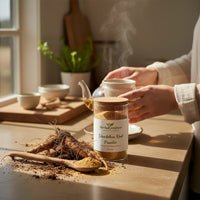
Traditionally dried and chopped dandelion root is one of the most versatile forms. It’s commonly used for brewing herbal teas or infusions and can also be simmered for use in broths. Dried root often comes loose, but pre-measured teabags are also widely available. When buying in bulk, check if the store carries USDA organic options or products like our Bulk Herbs collection, which are well-suited for infusions and blends.
Dandelion Root Powder
Powdered dandelion root is made by grinding dried roots into a fine consistency. It blends easily into smoothies or recipes and is a fast, convenient option for those who want to incorporate dandelion into daily routines. Some prefer it for the ease of controlling serving sizes or adding to multi-herb blends. If you’re exploring powdered options, stores that specialize in superfood powders also offer blends such as Organic Papaya Seed Powder 4oz | Gut Cleanse & Digestive Support that can complement herbal wellness routines.
Roasted Dandelion Root
Roasting brings out a nutty bitterness in dandelion root, making it popular as a caffeine-free beverage resembling coffee. Roasted root can be purchased loose or as pre-packaged teabags, and is typically brewed as a hot drink. Those looking for a convenient roasted root beverage might also enjoy blends found in our organic herbal teas sections of herbal shops.
Dandelion Root Tea
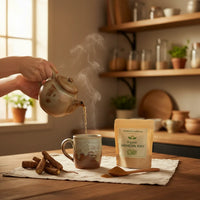
Bagged dandelion root tea is simple and fast—just steep in hot water. Some teas contain only dandelion root, while others blend it with leaves, spices, or other herbs. Always check the ingredient list if you’re looking for pure root tea. Herbal aisles or online retailers may also offer complementary herbal teas including Hibiscus Tea - Organic 24/2g Tea bags - Heart Health for your daily routine.
Tinctures and Liquid Extracts
Tinctures are liquid extracts of dandelion root, made by soaking plant material in alcohol or glycerin. These are popular for portability and easy measuring—often taken by the dropper. Labels should always list the extraction medium and root-to-liquid ratio, giving insight into potency and preparation style. For quality and convenience, consider Dandelion Root Liquid Extract - Organic 1oz - Detox & Liver which presents easy-to-measure servings.

Easy Tips for Reading Dandelion Root Labels
Product labels can feel overwhelming to first-time herbal shoppers. Here are some practical, non-technical tips to make interpreting them easier:
1. Organic Status
Certified organic dandelion root comes from plants cultivated without synthetic pesticides or fertilizers. “USDA Organic” or similar certifications from recognized bodies provide assurance, though some small producers may use organic methods without formal certification. To further support your wellness journey, products with high organic standards like Sea Moss - Raw Dried from St Lucia - 8oz Bag - Nature's MultiVitamins can add plant diversity and traceability to your routine.
2. Country of Origin
Knowing where your dandelion root comes from can offer insight into quality and agricultural practices. Countries with strong organic certification and environmental regulations may be noted for higher transparency. Local or regional sourcing is sometimes emphasized by small farms and cooperatives.
3. Processing Methods
Labels often state whether the root has been dried, roasted, or ground. Some will mention if processing is done in small batches, or if the root is wildcrafted (harvested from the wild, not cultivated). Small-batch or wildcrafted products can appeal to those seeking hands-on, artisanal approaches. However, clarity about when and how the root was harvested—such as “spring harvest” or “freshly ground”—may also reflect on quality. Other products such as our Bulk Herbs collection often highlight small-batch techniques on their labels.
4. Ingredient Lists
For teas and blends, check that dandelion root appears near the top of the ingredient list. Some products mix leaves, flowers, or even other herbs; if you want pure root, double-check to avoid surprises. You might also benefit from exploring specialized blends in our organic herbal teas for customized herbal options.
5. Certifications and Transparency
Beyond organic labeling, some products may display third-party certifications related to fair trade, non-GMO standards, or sustainability. Read packaging for clear, honest information about the supply chain, company ethos, or commitment to transparent sourcing. Reputable brands openly share such details.

6. Expiry Date and Freshness
Checking ‘best by’ dates helps ensure the product is at its peak flavor and potency. While dried roots are relatively shelf-stable, fresher is often better when it comes to taste and aroma. When prioritizing freshness, consider seasonal availability and clearly dated products.
Freshness, Sustainability, and Seasonal Availability
Thinking Seasonally
Dandelion roots are typically harvested in the fall or early spring, after the plant has stored energy in its roots. Some local or small-scale suppliers will note the harvest time on their packaging. If you’re buying at farmers markets or co-ops, asking about the harvest season can offer clues to freshness and flavor.
Supporting Sustainable Harvesting
If you prefer wild or wildcrafted dandelion root, seek out products or suppliers who detail their sustainable harvesting methods. Look for statements like “harvested by hand” or “with respect for local populations” to ensure ethical collection. Over-foraging can impact plant populations, so supporting responsible producers protects plant communities and habitats. Adding products such as Dandelion Root Liquid Extract - Organic 1oz - Detox & Liver that detail sustainable sourcing to your herbal shelf can help you shop with confidence. Choosing blends such as Sea Moss - Raw Dried from St Lucia - 8oz Bag - Nature's MultiVitamins from transparent brands supports a broader ecosystem of responsible harvesting.
Considering Your Footprint
Choosing locally sourced or regionally produced dandelion root lessens shipping distances and supports nearby growers. If shopping online, pay attention to country of origin and sourcing philosophy detailed by the seller. Many shoppers find value in connecting with producers who share their sustainability values.

Comparing Shopping Experiences: In-Person vs. Online
In-Person Advantages
Visiting farmers markets, herbal stores, or co-ops offers opportunities to:
- Inspect product quality with your own eyes
- Ask questions of knowledgeable staff or growers
- Support local or small-scale operations
Newcomers often find comfort in seeing, touching, and smelling dried herbs or roots. Personalized recommendations are easier to come by in these interactive environments.
Online Shopping Insights
Online marketplaces allow you to:
- Compare a broad array of brands, forms, and prices
- Read user reviews for real-life experiences
- Access products not available in your local area
To shop online with confidence:
- Stick to well-known herbal retailers or marketplaces with robust review systems
- Look for detailed product descriptions, labeling transparency, and clear origin statements
- Use search filters to find organic, wildcrafted, or sustainable options. Unique options such as Organic Papaya Seed Powder 4oz | Gut Cleanse & Digestive Support can further diversify your herbal pantry.
Summary: Takeaway Tips for Shopping Dandelion Root
- Explore a variety of sources—markets, apothecaries, online shops—for different forms and values
- Choose a product form—dried, powder, tea, tincture—that fits your needs and lifestyle
- Read labels for organic certification, country of origin, and processing transparency
- Support sustainable and seasonal harvests by choosing ethical sources or asking questions at your point of purchase
- Trust your senses and curiosity to navigate the vibrant world of herbal roots
FAQs:
- What is the best source for fresh dandelion root?
Farmers markets and local growers are often the most reliable source for truly fresh dandelion root. Some herbal apothecaries may also stock freshly harvested roots in season. Always ask vendors about their harvesting and handling practices.
- How do I identify high-quality dried dandelion root?
Look for roots that are well-dried but not overly brittle or faded in color. Quality dried root should have an earthy aroma. If possible, buy from a source that provides information on the harvest season and processing.
- What should I look for on a dandelion root product label?
Focus on organic certification, country of origin, processing details (such as dried, roasted, or wildcrafted), and a clear ingredient list. Check for transparency in how and where the root was sourced and processed.
- Are there seasonal times when dandelion root is most available?
Yes. Dandelion roots are typically harvested in fall or early spring, when the plant’s nutrients are concentrated below ground. This is when you might find the freshest roots at local markets or from small producers.
- Is it safe to forage dandelion root myself?
Foraging is possible if you are able to confidently identify dandelion and ensure the area is free from pesticides or contaminants. Beginners should consult local foraging guides or experienced groups and practice sustainable gathering.
- What’s the difference between dandelion root powder and dried root?
Powder is made by grinding dried root into a fine texture, making it easy to blend into foods or beverages. Dried root, sold chopped or whole, is typically used for preparing teas or infusions and may offer a more pronounced flavor.
Author Name:
Herbal Goodness Editorial Team
Author Bio:
The Herbal Goodness Editorial Team specializes in holistic health and superfoods, blending science and nature to educate and empower our community.
References:
Introducing Graviola to Young Taste Buds: Fun, Family-Friendly Flavor Exploration
Graviola in the Classroom and at Home: Creative Activities to Teach Kids About Tropical Plants
Why Social Impact Matters in Plant-Based Wellness