A Practical Supplier Scorecard for Comparing Herbal Wholesale Partners

For small herbal retailers and makers, finding the right wholesale supplier is one of the most important steps in building a resilient, trustworthy product line. With options ranging from bulk herbal extracts to powders, teas, and capsules, the process of choosing a supplier can feel overwhelming—especially when quality, traceability, and transparent terms are not always easy to verify at a glance. To help retailers make smarter decisions and reduce risk, this practical, non-technical scorecard empowers you to compare direct wholesale suppliers side by side.
Identifying reliable partners isn’t about luck; it’s about consistent evaluation using key criteria that matter for your business. This guide explains the essential scorecard categories, how to weight each based on your needs, and the best way to use the scores to create a clear shortlist of potential suppliers.
Why Use a Scorecard for Herbal Supplier Selection?
Choosing a herbal supplier isn’t just about price or proximity—it’s about partnership, product integrity, and reliability. A simple scorecard transforms subjective impressions into concrete, trackable data so you can:
- Make apples-to-apples comparisons
- Reduce emotional or first-impression bias
- Streamline repeat purchasing decisions
- Communicate expectations with your team or partners
- Mitigate risks of inconsistent supply or quality issues
With an organized approach, retailers gain confidence that their sourcing choices align with both business needs and consumer expectations. Businesses offering products such as bulk herbs and roots for tea, tinctures, and wellness benefit greatly from supplier consistency and transparency.
The Key Categories for Your Herbal Supplier Scorecard
A strong scorecard evaluates suppliers across categories proven to predict positive experience and business resilience. Here are the most relevant factors for herbal retailers sourcing extracts, powders, teas, and capsules directly from manufacturers or processors:
Quality Assurance & Certificates of Analysis (COAs)
Nothing matters more to herbal businesses than the safety, authenticity, and composition of ingredients. Every supplier should provide comprehensive, up-to-date Certificates of Analysis (COAs) from independent labs for each product batch. Quality assurance is the backbone of every other scorecard category.
Questions to evaluate:
- Are COAs recent and batch-specific?
- Do they include identity, purity, and potency data?
- Are tests conducted by independent, reputable labs?
Internal quality checks are particularly significant for complex formulas like Blood Platelet Plus Capsules 20X, which demand batch-specific COAs.
Traceability of Ingredients
Herbal products’ origins—including where and how raw botanicals are grown, harvested, and processed—affect quality, marketability, and consumer trust. Suppliers should trace their materials from farm to finish. Retailers sourcing bulk blends for wellness tea infusions will especially value this transparency.
Questions to evaluate:
- Can the supplier provide traceability documentation for each product?
- Do they disclose country or region of origin?
- Are there transparent sourcing practices?
Minimum Order Quantities (MOQ) & Sample Policy
For small businesses, flexibility in order size and the opportunity to request samples are critical. While some suppliers cater only to large-scale buyers, others will accommodate both generous sample policies and lower MOQs so you can test products with less financial risk. Opt for suppliers who offer small sizes or convenient samplers, just as Organic Papaya Leaf Extract 1oz | 15X Liquid – Trial & Travel Size provides a sample-friendly option.
Questions to evaluate:
- What is the minimum order quantity for each product or category?
- Are samples available and, if so, under what conditions?
- Are sample costs refunded or credited upon purchase?
Lead Times & Ordering Process
Consistent, reliable fulfillment keeps your shelves stocked and customers satisfied. Supplier lead times (the period from order placement to shipping) become especially important if you plan just-in-time inventory. Many bulk food businesses and herbal retailers manage seasonal spikes by tracking fulfillment times for staple items like Raw Sea Moss 8oz Bag | St. Lucia Wildcrafted – Nature's Multivitamin.
Questions to evaluate:
- What are the typical lead times for different products?
- Are orders fulfilled directly or through intermediaries?
- Is there a transparent process for managing delays or backorders?
Packaging & Shelf-Life Information
Proper packaging maintains herbal product freshness, safety, and shelf stability. Retailers should be able to review packaging materials, sizes, and product shelf-life before committing to a supplier. Standardized shelf-life on popular blends, such as those found in Organic Papaya Leaf Tea | 24 Premium Bags – Caffeine-Free, illustrates supplier attention to this requirement.
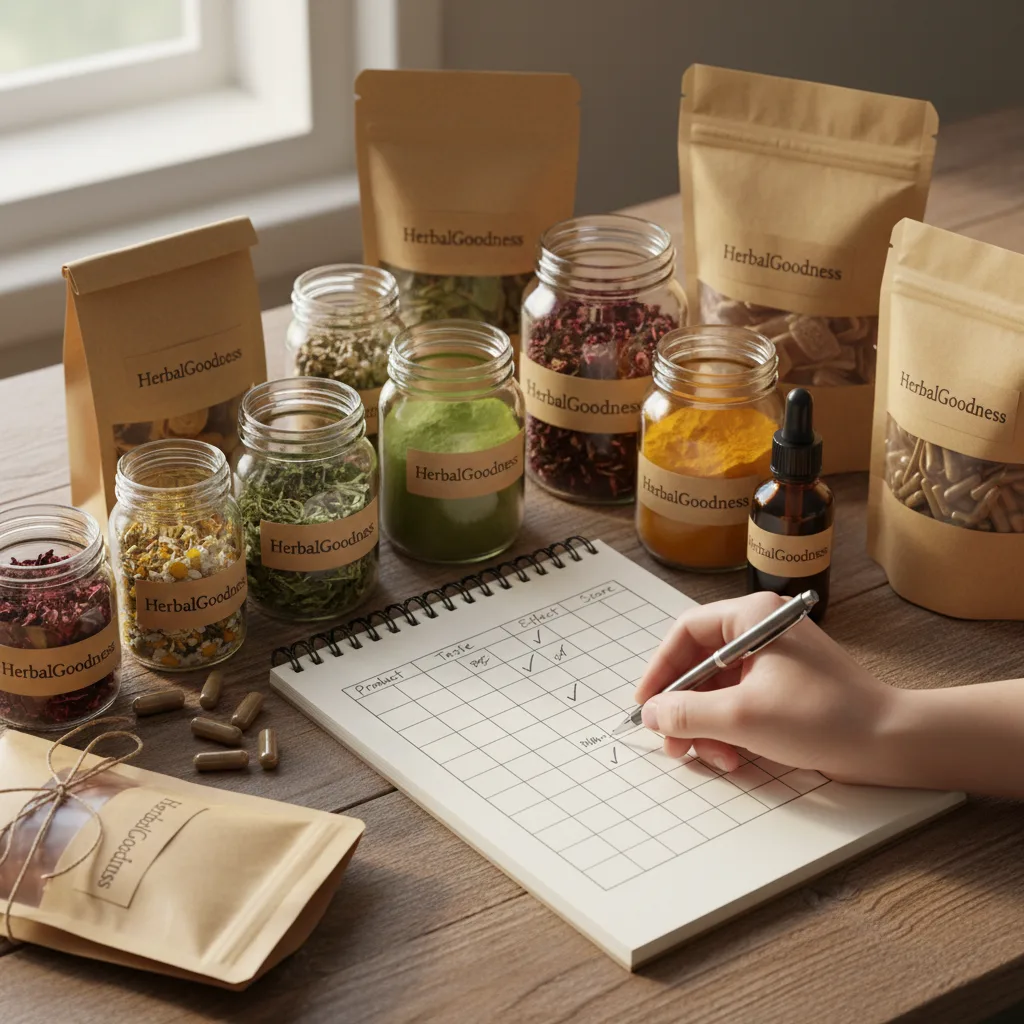
Questions to evaluate:
- Are products packed in food-grade, protective materials?
- Is shelf-life documented and conservative?
- Are package sizes practical for your retail operations?
Certifications & Third-Party Verifications
Trustworthy suppliers back up their claims with recognized certifications. These provide peace of mind regarding organic status, sustainable practices, and product handling protocols. For example, Organic Papaya Leaf Extract 16oz | 15X Liquid comes with USDA Organic certification plainly listed.
Common certifications include:
- USDA Organic
- Non-GMO Project Verified
- ISO, HACCP, or GMP facility certifications (Good Manufacturing Practice)
- Fair Trade or similar social responsibility credentials
Questions to evaluate:
- Are certificates readily available and up to date?
- Are certifying agencies well-recognized?
Pricing Transparency
Predictable, straightforward pricing makes inventory planning and pricing retail products much easier. Transparency eliminates unpleasant surprises and demonstrates ethical business conduct. Reputable suppliers will make bulk and volume discounts for products like our Bulk Herbs collection available upfront for comparison.
Questions to evaluate:
- Are prices provided per unit or per weight, with all fees clearly disclosed?
- Are volume discounts available?
- Do quotes or agreements spell out shipping, handling, or customs fees?
Communication, Terms, & Responsiveness
Strong partnerships depend on open, reliable communication. From initial inquiry to post-sale support, you want suppliers who answer promptly, explain terms clearly, and document their processes. Responses to requests for information on COAs or Raw Sea Moss 8oz Bag documentation are a good indicator of transparency.
Questions to evaluate:
- How quickly and clearly do they respond to your questions?
- Do they provide written contracts or sample agreements?
- Are payment and shipping terms fair and easy to understand?
How to Assign Weights and Scores to Supplier Criteria
Not all categories are equally important for every business. A herbal retailer focused on clean-label, certified organic products might assign heavier weights to QA, traceability, and certifications. Another might prioritize low MOQs and fast fulfillment.
Here’s a simple, flexible approach to weighting your scorecard:
- Decide which categories matter most. Rate each supplier attribute on a scale (such as 1–5 or 1–10), with custom weights reflecting your highest priorities.
- Multiply each supplier’s score by the respective weight. For example, if “Quality Assurance” is twice as important as “Lead Times,” give it double the weight.
- Total the weighted scores for each supplier. The supplier with the highest overall score provides the best fit for your goals.
Example Scorecard Weights (for a small herbal retailer):
- Quality & COAs: 25%
- Traceability: 20%
- Certifications: 15%
- MOQ & Sample Policy: 10%
- Lead Times: 10%
- Packaging & Shelf-life: 8%
- Pricing Transparency: 7%
- Communication & Terms: 5%
You can adjust these weights as your company grows or pivots to new markets. Brands that expand into nutritional capsules, such as Soursop Graviola Leaf Extract Capsules 10X, may increase the weighting for certifications and audits accordingly.
Need a Trusted Herbal Wholesale Partner?
Complete our Retailer & Wholesaler Interest Form to tell us about your sourcing needs. Our team will review your requirements and help determine the best wholesale solutions for your business.
Evaluating and Shortlisting Herbal Wholesale Suppliers
Once you’ve listed prospective suppliers and rated them on each criterion, compare overall scores. Focus on those who demonstrate strong documentation, reputable sourcing, and clear, prompt responses. Record notes on key strengths, weaknesses, and any red flags encountered during research or communication.

Remember, an outstanding supplier often stands out due to their willingness to share complete information—especially third-party certifications, test results, and transparent terms. Don’t hesitate to ask for supporting documents, request samples, or clarify uncertain policies before making your decision.
Reducing Ordering Risk: Practical Tips for Herbal Retailers
The right supplier scorecard does more than just organize information—it actively reduces the risk of sourcing disappointments, delays, or unexpected costs. Here are practical steps you can take:
- Start small: Use sample policies and low MOQs to test quality before larger commitments. For example, try Organic Papaya Leaf Extract 1oz | 15X Liquid – Trial & Travel Size before investing in bulk purchases.
- Build relationships: Open, ongoing communication uncovers issues early and strengthens trust.
- Document everything: Keep a shared record of correspondence, agreements, and received COAs for accountability.
- Periodically review performance: Revisit your scorecard every year or after major changes in your product line, as supplier performance can shift over time.
- Stay updated on certifications: Set reminders to request current copies of certifications or COAs. This is especially critical when considering Blood Platelet Plus Capsules 20X or similar advanced blends.
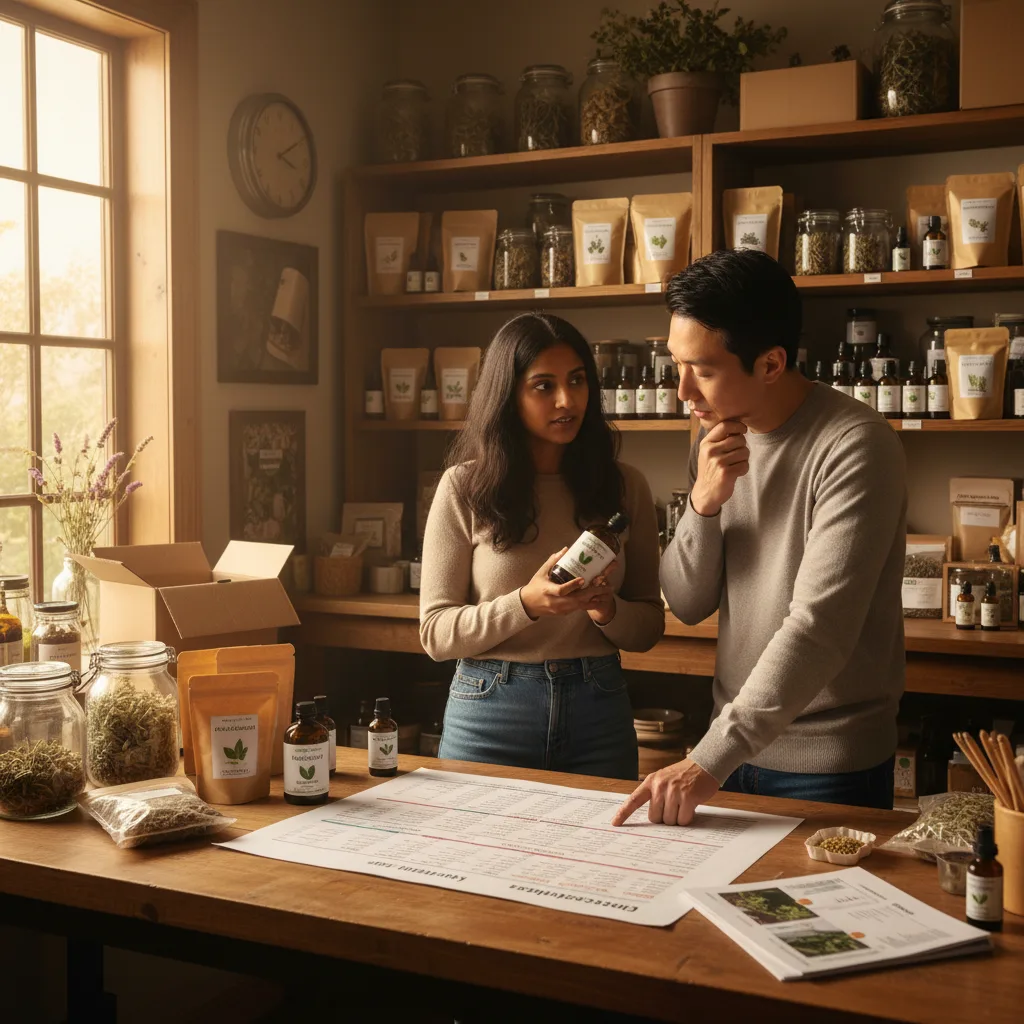
These routines help retailers pivot quickly if a supplier’s reliability or quality falters, safeguarding both business operations and customer confidence.
Using the Scorecard for Continued Growth
As your herbal business evolves, your priorities may shift. The practical scorecard introduced here isn’t static; it’s designed to be revisited, customized, and applied every time you explore new wholesale sources or add new product lines. Keep your evaluation process consistent, transparent, and rooted in the unique needs of your retail goals. Highly rated suppliers for bulk herbs and roots for tea, tinctures, and wellness can provide consistency over the long term.
By leveraging clear criteria and fair scoring weights, you minimize guesswork—and maximize the potential for thriving, long-term supplier partnerships that support your mission. A thoughtful sourcing strategy, rooted in documentation and open communication, helps ensure the herbs and botanicals you offer reflect the care and integrity your customers expect.
Ready to Compare Suppliers with Confidence?
If you're looking for a reliable wholesale herbal supplier, fill out our Retailer & Wholesaler Interest Form. We'll learn more about your business and explore how Herbal Goodness can support your wholesale sourcing goals.
Frequently Asked Questions
Question 1: What are Certificates of Analysis (COAs), and why are they essential for herbal retailers?
Answer: Certificates of Analysis (COAs) are independent lab test results confirming the identity, purity, and potency of each product batch. They are vital for any business, especially when selling items like Blood Platelet Plus Capsules 20X, to guarantee safety and meet regulatory standards.
Question 2: How can I evaluate a supplier’s transparency and sourcing practices?
Answer: Look for suppliers who clearly document the origin and traceability of their ingredients. Those selling products for wellness tea infusions or Raw Sea Moss 8oz Bag | St. Lucia Wildcrafted often showcase excellent traceability and provide supporting documentation on request.
Question 3: Why are minimum order quantities (MOQs) and sample policies important?
Answer: Low MOQs and sample-friendly policies allow new businesses to test products and minimize risk. For example, Organic Papaya Leaf Extract 1oz | 15X Liquid – Trial & Travel Size lets you evaluate product quality before investing in larger orders.
Question 4: What certifications should I request from a herbal supplier?
Answer: USDA Organic, Non-GMO Project Verified, and GMP or ISO certifications are highly valued. Products like Organic Papaya Leaf Extract 16oz | 15X Liquid proudly display these credentials for added trust.
Question 5: How often should I revisit my supplier scorecard?
Answer: Review your supplier’s performance annually or after significant changes in your product lineup. This ensures continued alignment with your standards for products such as wellness tea infusions and Raw Sea Moss 8oz Bag | St. Lucia Wildcrafted.
Question 6: What steps reduce risk when starting with a new herbal supplier?
Answer: Order small quantities first, document all agreements, and monitor sample quality—options like Organic Papaya Leaf Extract 1oz | 15X Liquid – Trial & Travel Size make this easy for new relationships.
Ready to take control of your herbal sourcing decisions? Download the scorecard template and start evaluating potential wholesale partners with confidence.
About the Author
Herbal Goodness Editorial Team
The Herbal Goodness Editorial Team specializes in holistic health and superfoods, blending science and nature to educate and empower our community.
References
A Beginner’s Guide to Finding a Custom Herbal Manufacturing Partner Online
Where to Buy Herbal Supplements Online: Marketplaces vs. Independent Stores
Local Rules and Retail Realities: What Influences Where You Can Buy Oil of Oregano Near Me
How to Calculate the True Cost‑Per‑Cup When Sourcing Wholesale Herbal Tea Blends
How to Validate Your Herbal Tea Blend Before Launch: Low-Cost Tests That Work