Bulk Herbal Supplier Quality Checks: A Guide for Small Buyers

Navigating the world of bulk herbal buying can feel overwhelming, especially for small shop owners, independent makers, or café buyers. There’s a lot of talk about certificates, purity, and the importance of traceable sourcing, but what really happens behind the scenes? This plain-English guide lays out exactly how reputable bulk herbal suppliers—like Herbal Goodness—verify quality and deliver products that meet your standards. Along the way, you’ll discover the key checkpoints every small buyer should look for, so you can source with confidence, ask the right questions, and avoid getting lost in industry jargon.
The Journey Begins: Receiving and Checking Raw Herbal Materials
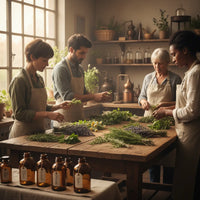
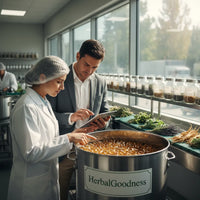
Once a supplier receives a shipment of raw herbs—from farms, co-ops, or qualified partners—the quality journey starts immediately. Reliable bulk herbal suppliers have strict protocols to inspect every incoming batch before it ever gets near production or packaging floors. Here’s what happens:
- Initial Visual Inspection: Staff visually check for foreign matter (think sticks or stones in dried leaves), discoloration, unusual odors, or any sign the material isn’t up to par.
- Supplier and Lot Records Review: Every delivery comes with traceable paperwork showing where, when, and how the herb was grown and harvested. This allows for tracking from field to finished product.
- Handling and Temporary Storage: Acceptable shipments are stored in controlled environments—cool, dry, and clean—to prevent compromise before testing.
Tip for Small Buyers: Before placing an order, don’t hesitate to ask your supplier about their raw material intake process. What checks do they perform? Do they accept herbs only from certain regions or certifications?
Batch Testing and Certificates of Analysis (COAs): The Heart of Herbal Quality
One of the most crucial steps comes next: scientifically verifying the quality and identity of the herb batch. Suppliers routinely send samples to certified laboratories for comprehensive analysis. Tests often include:
- Identity Verification: Confirming the plant species matches labeling. Methods might include DNA barcoding or microscopy.
- Foreign Substances Testing: Checking for residues of pesticides, heavy metals, or other contaminants.
- Microbiological Screen: Ensuring herbs are within safe limits for natural microbes and molds.
- Purity and Active Compound Content: Measuring the key botanical compounds typically sought by buyers.
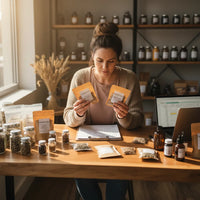
Results are summarized in a Certificate of Analysis (COA). This single-page document is a small buyer’s best friend—it summarizes all key test results, from purity and substance levels to confirming the herb’s true species. If you want to be truly confident in a batch, always request and review the COA for your intended lot or shipment.
our Bulk Herbs collection are a great option if you’re seeking high transparency in quality documentation. Look for suppliers that readily provide this key paperwork for Raw Sea Moss 8oz Bag | St. Lucia Wildcrafted – Nature's Multivitamin and other botanicals.
Tip for Small Buyers: Don’t be shy about asking: “Can you provide the latest COA for this batch?” Suppliers who prioritize quality will readily have this available.
If you're looking for premium organic herbs backed by Certificates of Analysis (COAs), transparent sourcing, and rigorous quality standards, complete our Retailer & Wholesaler Interest Form. Our team will help you find the right bulk herbs, teas, and botanical extracts for your business.
The Importance of Documentation: Traceability and Transparency
Traceability isn’t just a buzzword—it’s how you know what’s in your bag or box. Top herbal suppliers document every step:
- Detailed Batch Records: Logs pairing incoming shipment data with lab results and who handled your batch.
- Product Data Sheets: These sheets list typical specs for herbs—physical appearance, moisture ranges, and expected shelf life.
- Chain of Custody Logs: Paper trails that note where materials move and who signed off on each handoff.
For small retailers or makers who plan to repackage or blend herbs, having this documentation is especially valuable. It provides assurance and supports your own record-keeping should customers ever have questions about origin or quality.
Many suppliers offer our organic herbal teas, with all pertinent documentation for peace of mind. This level of record-keeping also adds confidence when sourcing beneficial botanicals for unique products or recipes.
Packaging, Labeling, and Shelf Life: Protecting Quality Until It Reaches You
The last stage is getting your order safely packaged and clearly labeled for delivery. Herbal suppliers use different formats depending on the herb form (leaves, powders, roots, or extracts) and your order size:
- Bulk Bags or Food-Grade Barrels: Airtight, moisture-resistant packaging helps keep herbs fresh.
- Labeling with Necessary Information: Good labels show herb name, lot number, pack date, country of origin, and recommended storage practices.
- Clear Shelf Life Markings: Expiry or ‘best by’ dates based on suppliers’ stability studies. This helps you plan usage and rotation in your own storage rooms.
Some suppliers, including Herbal Goodness, have developed packaging designed for both bulk preservation and easy smaller-scale use. Ask about available formats that support your business’s handling needs.
Organic Papaya Leaf Extract 16oz | 15X Liquid – Best Value Size is one example of bulk packaging that helps preserve freshness and supports smaller repackaging.
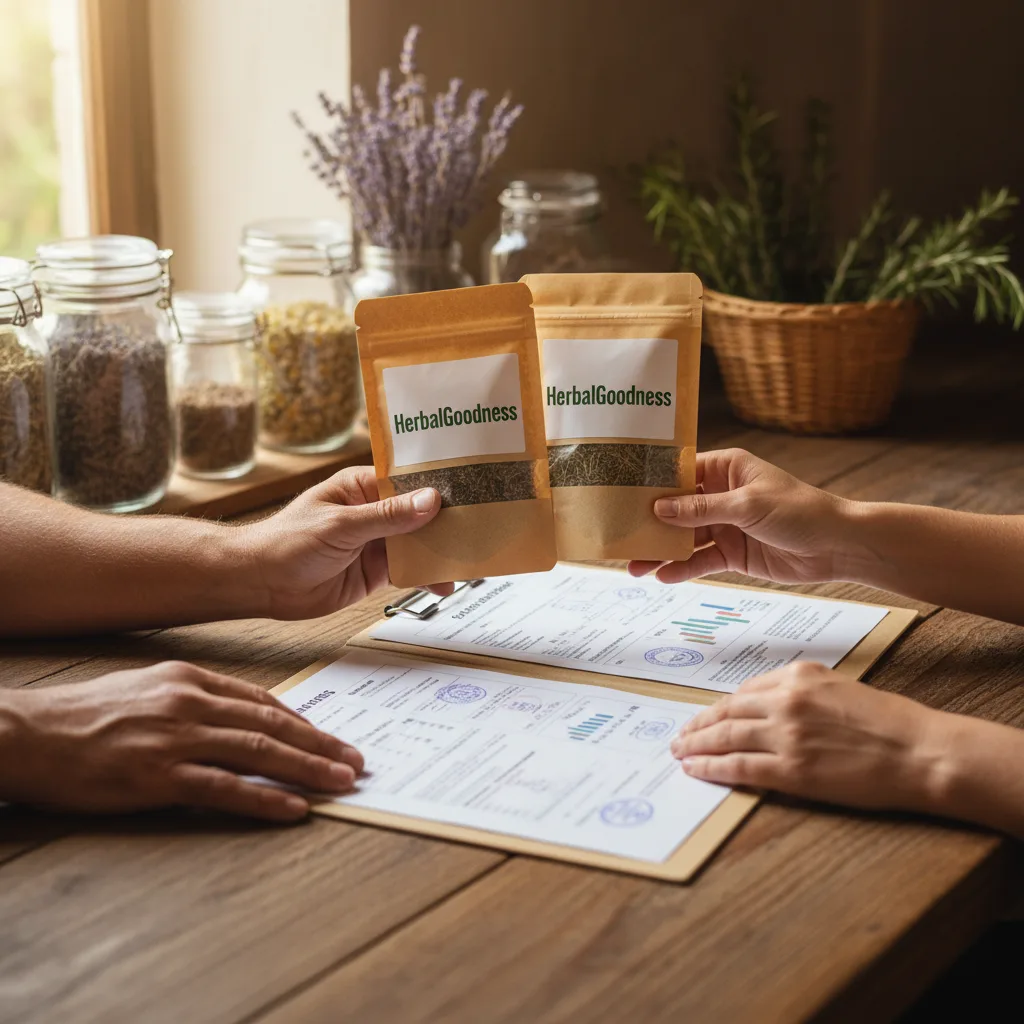
Airtight, labeled our Bulk Herbs collection help maintain quality through delivery, while lots and dates on Raw Sea Moss 8oz Bag | St. Lucia Wildcrafted – Nature's Multivitamin bags allow for easy inventory management in a retail or café setting.
What to Ask Your Supplier: Quality Assurance Documents and Samples
Before you finalize a bulk herbal order, it’s reasonable—and smart—to request documents and ask for samples. Here are some essentials for small buyers:
Which Documents to Request
- Current Certificate of Analysis (COA) for your batch
- Product Data Sheet with specs, handling tips, allergen info
- Origin and Ethical Sourcing Statements if you care about fair trade or organic
Should You Request Samples Before Buying Bulk?
Trying a small sample is more common—and encouraged—than you might think. Many suppliers can send a quantity that allows you to check aroma, color, ease of handling, or suitability for your own brewing, blending, or formulation needs.
Requesting a sample can:
- Confirm scent and flavor profile matches your expectations
- Evaluate grind, cut, or quality for your specific use (tea, soap, culinary)
- Give peace of mind about supplier consistency
Organic Papaya Leaf Extract 1oz | 15X Liquid – Trial & Travel Size is ideal for testing a botanical before you commit to larger bulk purchase. For those prioritizing immune wellness, Soursop Leaf Graviola Extract 15X Liquid | Organic Cell & Immunity also comes in manageable sizes for sampling and product trials.

Tip for Small Buyers: Samples often help you avoid buying unfamiliar herbs in quantities you can’t use. Don’t be afraid to ask; sampling is standard, especially when ordering several pounds or more.
Timing, Fulfillment, and Logistics: What to Expect After You Order
Once your order is confirmed, suppliers coordinate several steps tailored for bulk buyers:
- Order Confirmation and Lot Lock-In: Your spot in the production or packing queue is reserved, typically for herbs already in stock and tested.
- Final Quality Rechecks: Teams cross-check batch records, verify packaging materials, and confirm product specs meet your request.
- Packing and Shipping Prep: Orders are sealed for secure transport, labeled for traceability, and often double-bagged for freshness.
- Shipping Notifications and Tracking: Most quality suppliers notify buyers of ship dates, tracking, and any documentation needed for customs (if applicable).
For small buyers, these steps provide transparency and predictability. It’s wise to coordinate timing with your own retail schedule or formulation needs, especially for herbs with shorter shelf lives.
By using products like our Bulk Herbs collection, you’ll receive all shipping info and supporting paperwork needed for custom blends or finished products.
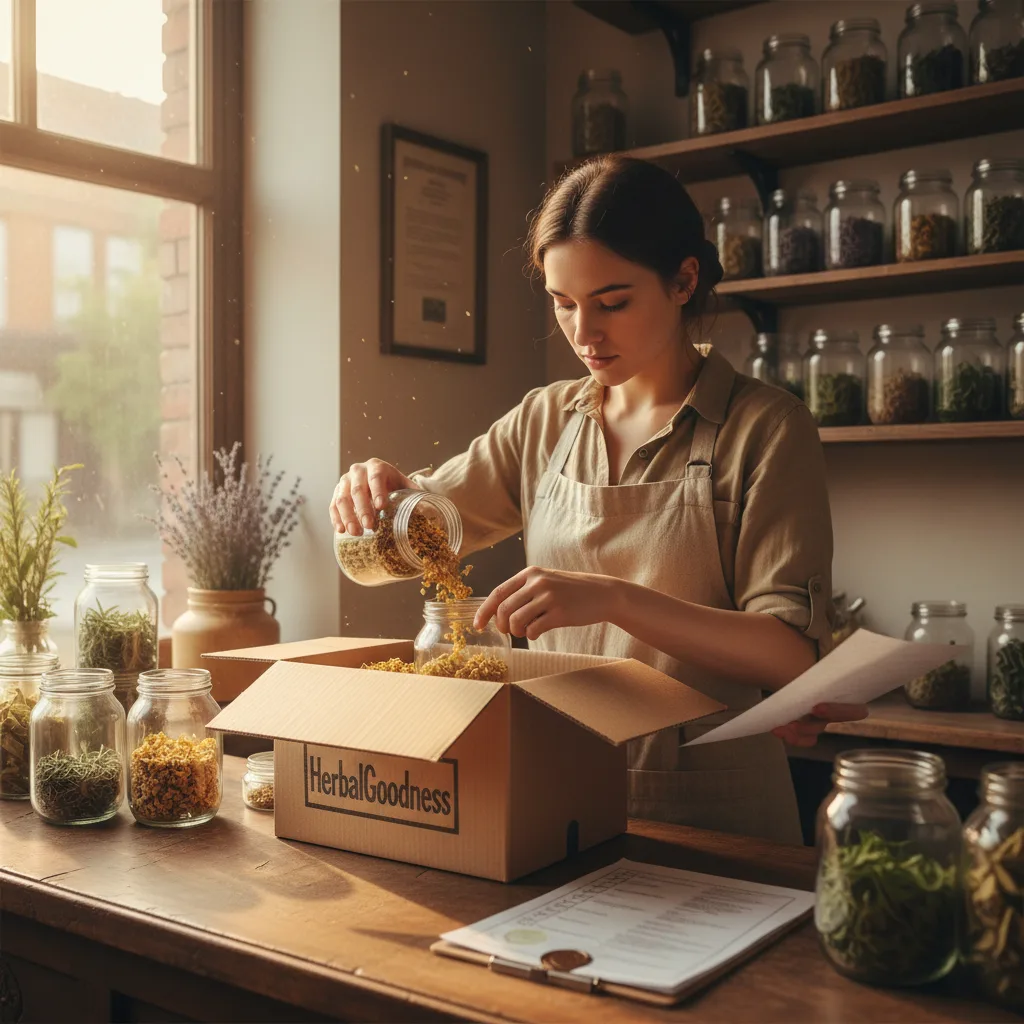
Building a Better Partnership: Smart Questions for Small Buyers
Even if you’re only ordering a few kilos or a dozen pounds, building a relationship with your supplier benefits everyone. Here’s how you can engage effectively:
- Ask About Batch Sizes and Minimum Orders: Some suppliers, like Herbal Goodness, cater specifically to small businesses and can offer MOQs (minimum order quantities) that fit your scale.
- Clarify Lead Times and Seasonal Variations: Some herbs have peak harvest seasons that impact availability. Ask early if timing is sensitive.
- Be Transparent About Your End Use: Sharing whether you’re blending, extracting, or serving direct helps suppliers recommend the best herb cut, format, or packing method for your needs.
- Request Updates: For ongoing supply, ask how you can get notified about new arrivals or low inventory ahead of time.
Tip for Small Buyers: Your questions help suppliers improve. Don’t underestimate the value of long-term communication, even for small orders.
Raw Sea Moss 8oz Bag | St. Lucia Wildcrafted – Nature's Multivitamin and our Bulk Herbs collection can be just the start—effective partnerships grow with regular supplier dialogue, batch feedback, and shared product goals.
Where Small Buyers Fit In: Empowering Informed Bulk Herb Purchases
Small retailers, local makers, and café owners are essential partners in the herbal supply chain. You don’t need to be a large manufacturer to expect and demand clear quality documentation, traceability, and consistently high standards. By understanding what happens on the supplier side—from incoming raw material checks to documentation and fulfillment—you’re better positioned to:
- Make educated sourcing decisions
- Avoid common mistakes or disappointments
- Advocate for your customers’ expectations
With the right questions and awareness of standard processes, you can confidently navigate the world of bulk herbal buying alongside even the biggest buyers.
Planning to source bulk herbs, teas, or botanical extracts for your business? Complete our Retailer & Wholesaler Interest Form to connect with our team about wholesale pricing, product availability, and the best options for your business.
Frequently Asked Questions
Question 1: What documents should I request when buying bulk herbs?
Answer: Request a current Certificate of Analysis (COA), product data sheet, and origin statements. Quality suppliers offering our Bulk Herbs collection provide these documents for transparency.
Question 2: Why is traceability important in bulk herbal buying?
Answer: Traceability ensures each batch can be tracked from source to shelf. With Raw Sea Moss 8oz Bag | St. Lucia Wildcrafted – Nature's Multivitamin, clear records allow you to guarantee authenticity and purity.
Question 3: Can I get a sample before ordering larger quantities?
Answer: Yes, most reputable suppliers allow you to try products like Organic Papaya Leaf Extract 1oz | 15X Liquid – Trial & Travel Size to check quality before committing to bulk.
Question 4: How are bulk herbs packaged to preserve quality?
Answer: Products are typically shipped in moisture-resistant, airtight packaging. our organic herbal teas and our Bulk Herbs collection feature clear dates, lot codes, and usage instructions.
Question 5: What is a Certificate of Analysis (COA) and why is it important?
Answer: A COA summarizes lab testing for identity, purity, and safety of an herb batch. Always review the COA for products like Soursop Leaf Graviola Extract 15X Liquid | Organic Cell & Immunity to ensure quality.
Question 6: How should I store bulk herbs after receiving them?
Answer: Keep herbs in airtight containers, away from moisture and sunlight. Follow instructions provided on the packaging, as seen with Raw Sea Moss 8oz Bag | St. Lucia Wildcrafted – Nature's Multivitamin.
Question 7: Are there products specifically suited for small buyers seeking smaller quantities?
Answer: Organic Papaya Leaf Extract 16oz | 15X Liquid – Best Value Size and our organic herbal teas cater to independent makers and retailers needing flexible options.
When sourcing bulk herbs, empower your business by reviewing supplier quality steps and always requesting key documents. Asking the right questions ensures your inventory meets the standards your customers expect.
About the Author
Herbal Goodness Editorial Team
The Herbal Goodness Editorial Team specializes in holistic health and superfoods, blending science and nature to educate and empower our community.
References
Introducing Graviola to Young Taste Buds: Fun, Family-Friendly Flavor Exploration
Graviola in the Classroom and at Home: Creative Activities to Teach Kids About Tropical Plants
Why Social Impact Matters in Plant-Based Wellness