


Buying Sea Moss Gel Nearby? How to Assess Purity and Safety When Shopping Local

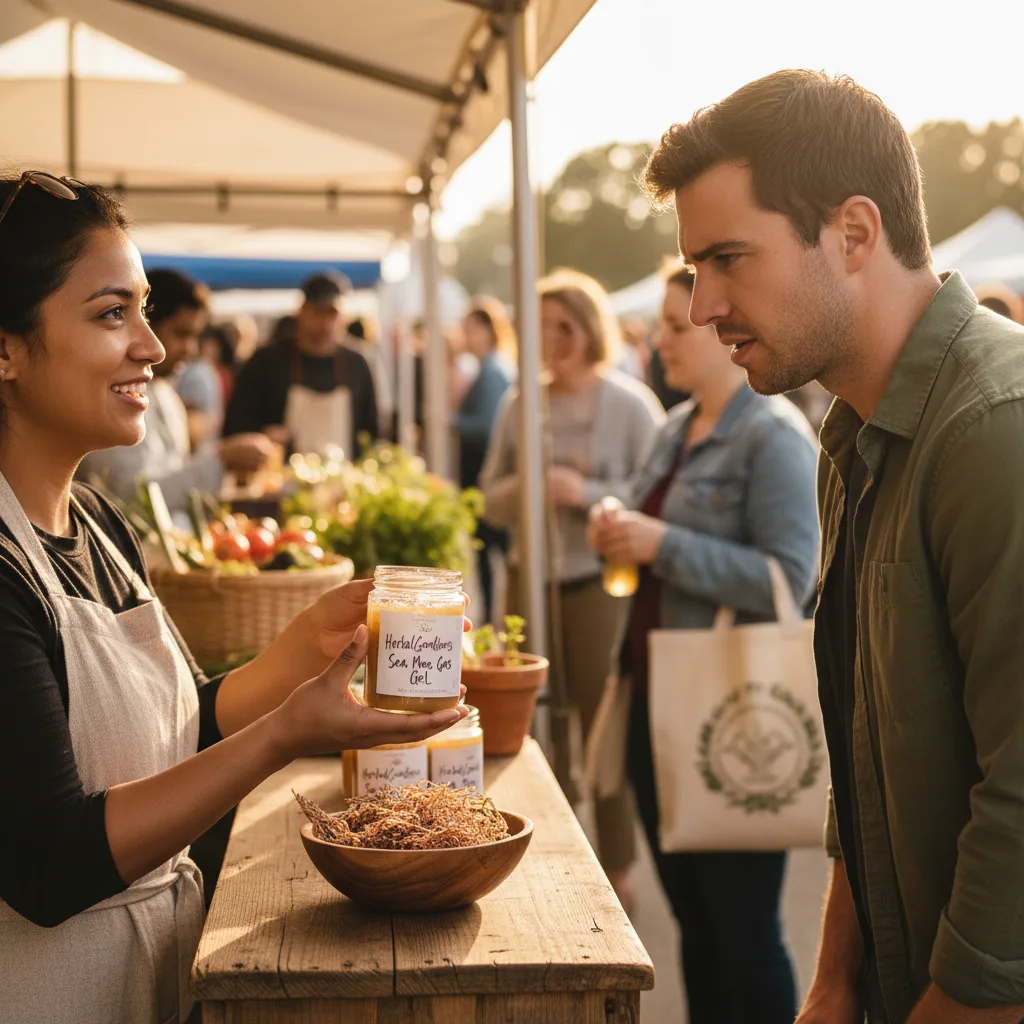
Shopping for sea moss gel at local markets or small wellness shops is becoming more popular for those seeking fresh, clean plant-based seaweed products. If you’re considering buying sea moss gel nearby, you probably have questions about what to look for, how to judge quality on the spot, and how to verify safety and purity. This guide provides a friendly, non-technical checklist for evaluating sea moss gel from local sellers—so you feel reassured with every purchase.
Key Questions to Ask Sea Moss Gel Sellers
Before purchasing, start a conversation with the seller. Responsible retailers welcome questions about their products. Here are a few essential things to ask:
1. When Was This Batch Harvested and Prepared?
Ask about both the harvest date of the sea moss and the date the gel was made. Freshness impacts texture, appearance, and shelf life. Sea Moss Gel 16 oz – Nutrient-Rich Superfood for Everyday Wellness is one example of a product that is best consumed within a few weeks of preparation if kept refrigerated.
2. Which Sea Moss Species Is This?
Common species include Gracilaria, Eucheuma, and Chondrus crispus (Irish moss). Understanding the species helps you match the product with your needs and expectations, as appearance, color, and texture can differ. If dry forms are available, consider Sea Moss - Raw Dried from St Lucia - 8oz Bag - Nature's MultiVitamins from trusted sources.
3. Where Was the Sea Moss Harvested?
Ask about the water source and region.
- Was it harvested from the ocean, lakes, or another aquatic environment?
- Was it wildcrafted or farmed?
- Is the location known for unspoiled waters?
Transparency about origin and sourcing can indicate a higher standard for purity.
4. Has This Sea Moss Been Tested?
Seek clarity on testing for:
- Contaminants (like heavy metals)
- Microbes (such as yeast or general purity measurements)
- Overall cleanliness and handling practices
Ask if there’s a Certificate of Analysis (COA) or lab report available. Responsible sellers may be able to provide documentation for Sea Moss - Raw Dried from St Lucia - 8oz Bag - Nature's MultiVitamins or gel products.
Simple Visual and Sensory Evaluation
When buying from a local seller, use your senses before making a decision. Fresh, well-prepared sea moss gel often demonstrates certain characteristics:
A. Appearance
- Color ranges from golden to light purple to green depending on species—but should be even and consistent throughout the gel.
- No mold, dark spots, cloudiness, or floating particles.
B. Smell
- Should be mild or neutral. A strong, fishy, or sour odor may signal poor storage or contamination.
C. Texture
- A gentle wobble or gel consistency—not watery, runny, or overly stiff.
- No separation of liquid from solid (this could mean the gel is old or improperly mixed).
D. Packaging
- Containers should be clean and sealed well.
- Sellers should follow refrigerated storage and not stack gels in direct sunlight.
Consider leaving room in your shopping basket for other nutritious options offered by specialty wellness shops. Products like Soursop Leaf Graviola Extract - - Organic 15X Liquid Extract - Cell Renew & Immunity provide a complementary immune boost along with sea moss-based foods.
Understanding Lab Reports and Certificates of Analysis (COAs)
Some small batch sellers voluntarily provide third-party lab testing for their sea moss gel. You don’t need to be a scientist to check for a few basics.
Interpreting a COA at a Glance
- Batch Number: Ensures traceability.
- Testing Date: Should be recent, matching the product’s batch.
- Heavy Metals: Acceptable levels are usually stated in parts per million (ppm); numbers should fall below safety standards outlined by relevant authorities.
- Microbial Counts: Look for low levels that indicate cleanliness and safe handling.
- Pesticides/Solvents: Not commonly found in wildcrafted sea moss but may be tested in farmed varieties.
Don’t hesitate to ask a seller to walk you through their COA if you’re unsure what’s shown on the report. For added peace of mind, some shoppers opt for Sea Moss Gel 16 oz – Nutrient-Rich Superfood for Everyday Wellness online, where COA documentation may be available.
Exploring Sourcing, Sustainability, and Transparency
Transparency benefits everyone. When sellers know where and how their sea moss is sourced, it’s more likely the product aligns with responsible practices. Consider:
- Does the supplier adhere to sustainable harvesting (not over-harvesting or damaging natural habitats)?
- Is there documentation of the harvest region’s general water quality or certification practices?
- Are additives, preservatives, or extra ingredients disclosed clearly on packaging or signage?
Papaya Leaf Extract 16oz – Organic 15X Liquid Papaya Leaf Herbal Supplement is another example of a plant-based option from a transparent, health-focused seller.
Safe Storage and Handling of Sea Moss Gel
You’ve chosen a sea moss gel you feel confident in—now keep it at its best once you bring it home.
Storage Tips
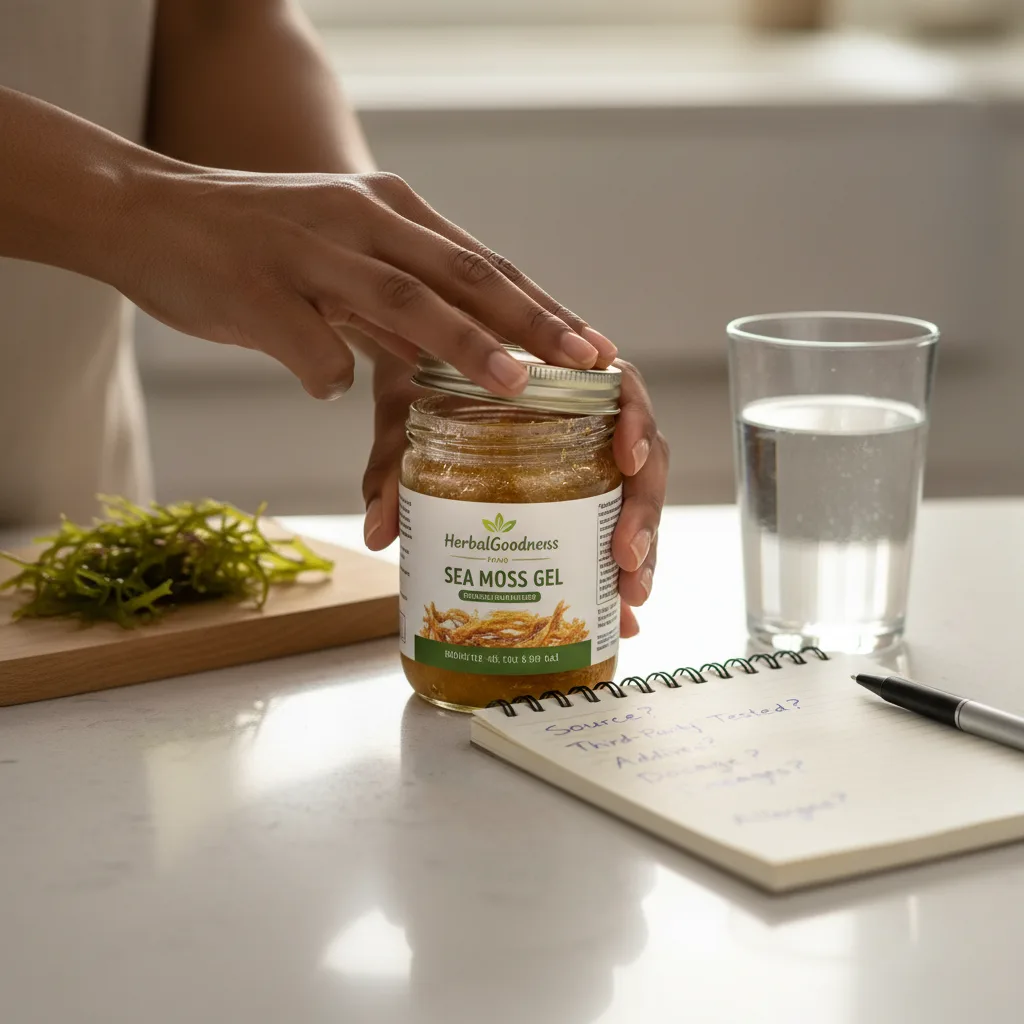
- Refrigeration: Always store in a clean refrigerator. Most gels stay fresh for 2–3 weeks if refrigerated.
- Avoid Direct Sunlight: Keep containers out of heat and direct sun, which can affect consistency, flavor, and appearance.
- Use Clean Utensils: Prevent cross-contamination by using a clean spoon each time you scoop the gel.
- Watch for Changes: If the gel’s smell, color, or texture changes, play it safe and compost or discard the product.
Shelf Life Awareness
- Do not consume beyond the suggested timeframe, even if it looks fine.
- Some sellers note a best-by date—mark your calendar at home as a reminder.
For those wanting to DIY, starting with Sea Moss - Raw Dried from St Lucia - 8oz Bag - Nature's MultiVitamins lets you prepare the freshest gel possible at home, fully controlling your batch size and storage.
Reading Ingredient Labels and Additive Disclosures
When buying locally, you might encounter both pure sea moss gel and gel with additional ingredients. Take a moment to:
- Ask which (if any) natural flavors, sweeteners, or preservatives have been used.
- Request a full ingredient list if not displayed.
- Inquire about possible allergens in the preparation facility.
Those with sensitive systems might consider plant-based herbal supplements, such as Papaya Leaf Extract 16oz – Organic 15X Liquid Papaya Leaf Herbal Supplement, to support overall wellness and digestion.

Building Relationships With Local Sellers
Shopping nearby offers a unique opportunity: you can build trust, ask follow-up questions, and even witness batches being prepped. Sellers invested in customer well-being are usually open and engaged. Seek out those willing to discuss their sourcing, preparation, and safety standards with you in detail.
Summary Checklist: What to Ask and Do When Buying Sea Moss Gel Locally
- Which species is this, and where was it harvested?
- When was the gel made, and what is its shelf life?
- Are lab results or a COA available for this batch?
- What should this gel look, smell, and feel like at its freshest?
- Has the product been properly stored and handled?
- Are the ingredient list and any extras fully disclosed?
Use this as your practical guide to confidently assess sea moss gel next time you visit a local store or farmer’s market, giving you peace of mind that aligns with plant-based wellness values.
FAQs:
- Why is it important to ask about the harvest date and preparation date?
Freshness directly affects sea moss gel's quality, shelf life, and nutrient profile. Knowing both when the sea moss was harvested and when the gel was made helps ensure you're getting a product at its peak.
- How can I quickly check if sea moss gel is high quality while in the store?
Look for clean, even coloring without dark spots or separation, a mild scent, and proper refrigeration. Well-labeled packaging and a willingness to answer your questions are good signs.
- What does a Certificate of Analysis (COA) tell me?
A COA provides a summary of lab tests for a product batch, typically including data on heavy metal content, microbial counts, and overall cleanliness—helpful for making informed choices.
- Is there a difference between wildcrafted and farmed sea moss?
Wildcrafted sea moss is harvested from its natural marine habitat, while farmed varieties are cultivated in controlled environments. Each method offers unique characteristics; knowing the source helps you assess sustainability and transparency.
- How should I store sea moss gel once I bring it home?
Refrigerate immediately, use a clean spoon for each serving, avoid direct sunlight, and watch for changes in texture or odor. Most gels maintain their quality for about two to three weeks if kept cold.
- Are there warning signs that sea moss gel isn’t fresh or safe to eat?
Yes—unpleasant, strong odors, unusual colors, mold, cloudiness, or liquid separation are red flags. If in doubt, compost or discard the product.
- Should I be concerned about extra ingredients in sea moss gel?
It’s best to request a full ingredient list and ask about any flavorings, preservatives, or allergens used. Transparent labeling and seller openness offer reassurance.
Author Name:
Herbal Goodness Editorial Team
Author Bio:
The Herbal Goodness Editorial Team specializes in holistic health and superfoods, blending science and nature to educate and empower our community.
References:
Introducing Graviola to Young Taste Buds: Fun, Family-Friendly Flavor Exploration
Graviola in the Classroom and at Home: Creative Activities to Teach Kids About Tropical Plants
Share this
Popular posts


FAQs
1. What are the main benefits of drinking bamboo leaf tea?
Drinking bamboo leaf tea supports hydration, relaxation, skin wellness, and antioxidant balance.
2. What is bamboo leaf extract used for?
It’s used for general body wellness, skin elasticity, hair and nail support, and overall vitality.
3. Can bamboo leaf help with skin care and body wellness?
Yes, bamboo leaf is rich in silica and antioxidants, which promote healthy skin, strong nails, and a youthful glow.
4. What forms of bamboo leaf are available?
You can find dried bamboo leaf, powder, extract, drops, oil, and bamboo leaf green tea.
5. Are there any side effects of bamboo leaf?
Bamboo leaf is generally safe when consumed in moderation. Always consult your healthcare provider before starting any new herbal supplement.