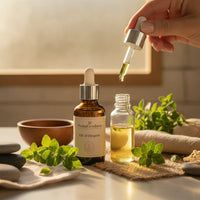
Can Oregano Oil Help Preserve Food? Exploring Safe Kitchen Uses

Curiosity often strikes in the kitchen—especially when it comes to blending heritage wisdom with modern food science. If you've ever wondered, "Can oregano oil help preserve food?" you're not alone. This kitchen-first exploration dives into the unique properties of oil of oregano, focusing on its aromatic profile, antioxidant content, and how it might affect both the shelf life and the flavor of home-stored foods. We’ll also guide you through choosing the right grade for culinary use, best practices for safe dilution and heating, plus simple pantry experiments that let you see and taste the difference—all without venturing into the realm of medical claims or complicated technology.
How Does Oregano Oil Work in the Kitchen?
When considering oregano oil as a tool in food preservation, its value lies in two main qualities: its complex aroma compounds and its naturally high antioxidant content. Historically, people have sprinkled dry oregano into tomato sauce for flavor, but oil of oregano harnesses the essence of the plant at a much higher concentration.
Aroma Compounds: Scent and Taste Beyond Seasoning
Oregano's bold aroma comes from volatile oils like carvacrol and thymol, which are naturally extracted during oil making. When incorporated into foods, even in tiny amounts, oregano oil releases these compounds, giving a deep, herbal character that can subtly or dramatically alter your recipe. Their contribution goes beyond scent: these oils can influence mouthfeel and aftertaste, making even basic pantry staples more interesting.
If you seek other potent plant-based options to add aroma and wellness value to your kitchen, Black Seed Oil 8oz | Cold-Pressed Nigella Sativa – Immune & Daily Wellness is worth exploring due to its robust profile and historical use in culinary traditions.
Antioxidants for Shelf Stability: What the Science Says
Oregano's antioxidant properties are well documented in culinary science. Antioxidants delay oxidation—a process that can lead to oil rancidity and flavor changes in stored foods. By slowing this process, oregano oil may help keep homemade salad dressings or dips tasting fresher for longer, at least under home kitchen conditions. However, using antioxidants for kitchen food preservation differs from commercial-grade preservation; it’s about flavor and freshness, not indefinite storage.
If you're interested in other antioxidants with culinary versatility, our organic herbal teas offers high antioxidant content and a gentle, earthy flavor profile for beverages and creative recipes alike.
Choosing Culinary vs. Supplement Grade Oregano Oil
Understanding which oregano oil is right for kitchen experiments is vital to both flavor and safety. Oregano oil generally comes in two forms: culinary-grade (sometimes called food-grade) and supplement-grade.
What’s Culinary-Grade Oregano Oil?
Culinary-grade oregano oil is produced and tested specifically for food use. It is often diluted in a base oil like olive or sunflower and labeled as safe for internal consumption at appropriate doses. This is the right choice for all your kitchen experiments or finished dishes.
When shopping for culinary-grade oregano oil, Oil of Oregano 75% Carvacrol | 2oz – Potent Immune & Antifungal Support meets the criteria for potency, food safety, and versatility in home preservation.
Why Avoid Supplement-Grade for Cooking?
Supplement-grade oregano oil is extremely concentrated and typically intended for use in very small quantities, sometimes in capsules or drops for specific regimens. Many of these are not intended or labeled for food preparation, and their potency can overwhelm both the palate and your stomach. Always read the label: if it isn’t culinary-tested, skip it for kitchen projects.
Safe Dilution and Heating Tips for Oregano Oil in Food
Oregano oil, due to its strength, requires thoughtful handling—both for taste balance and safety.
Safe Dilution: Get the Ratio Right
Concentrated oils are powerful; just a tiny drop can flavor a whole dish. For most kitchen uses, start with the lowest recommended dilution, such as a single drop stirred into a tablespoon of olive oil, then blend into larger batches of salad dressings or marinades. Gradually increase to taste, always erring on the side of less.
Step-by-Step Safe Dilution Guide
- Start Small: Add one drop of oregano oil to one tablespoon of a carrier oil.
- Taste Test: Mix thoroughly and taste a small amount.
- Scale Up: If the flavor is pleasant, blend this mixture into your larger recipe—or add more carrier oil for a milder taste.
- Safety First: Never ingest pure oregano oil directly or in large amounts.
Heating Tips: Preserving the Aroma
Essential oils can lose potency or subtly shift in flavor with heat. For the most pronounced aroma and antioxidant retention, add oregano oil towards the end of cooking, or stir it into cooled preparations such as vinaigrettes and dips. If you want to use it in a stovetop or baking recipe, keep temperatures moderate and avoid prolonged exposure to high heat.
For cold preparations or salad-inspired uses, Organic Papaya Leaf Extract 16oz | 15X Liquid – Best Value Size lends an herbal brightness that complements oregano oil in dips and dressings, increasing taste dynamics while providing its own nutritional benefits.
Simple Kitchen Experiments to Test Preservation and Taste
The magic of oil of oregano is best experienced through hands-on kitchen tests. None require specialized equipment; just curiosity, basic pantry staples, and a willingness to taste and compare.
Experiment 1: Comparative Shelf Life of Simple Culinary Oils
- Prepare Two Samples: Mix one tablespoon of olive oil with a drop of oregano oil in a small jar; in a second jar, keep plain olive oil.
- Label and Store: Keep both at room temperature, away from sunlight.
- Observe: Check each weekly for aroma and taste. Notice any differences in freshness, off-odors, or color changes after several weeks.
- Record Your Findings: Does the oregano oil sample stay aromatic or tasting fresher longer?
Experiment 2: Salad Dressing Freshness
- Create Two Batches: Make a basic vinaigrette (oil, vinegar, salt, pepper) and divide into two containers. Add oregano oil to one batch.
- Store in the Refrigerator: Taste both daily or every few days for changes in aroma and flavor.
- Notes: Does the oregano oil version maintain brightness, or does it overpower the dressing? How long until each batch loses its fresh aroma?
If you're experimenting with antioxidants in your dressings or oils, try infusing Organic Papaya Seed Extract 15X Liquid | Gut & Colon Cleanse Support for its gentle herbal and digestive support profile.

Experiment 3: Bread Dipping Oil Infusion
- Mix olive oil with a drop of oregano oil for a dipping sauce.
- Leave some at room temperature and refrigerate another sample.
- Taste over several days, comparing aroma stability and overall enjoyment.
Incorporating antioxidants through simple herb infusions is also achievable using Soursop Leaf Graviola Extract 15X Liquid | Organic Cell & Immunity, which adds complex undertones and freshness to culinary infusions.
Experiment 4: Homemade Preserved Vegetables (Quick Pickles)
- Pick your vegetable: Slice cucumbers or carrots.
- Prepare a pickling brine: Vinegar, water, salt, and add a drop of oregano oil to half your jars.
- Refrigerate, and taste periodically: Compare preserved texture and aroma between the samples.

For those eager to widen their preservation repertoire, exploring Raw Sea Moss 8oz Bag | St. Lucia Wildcrafted – Nature's Multivitamin offers another avenue for nutrient density and shelf life appeal in culinary projects.

Best Practices: Maximizing Flavor Without Overpowering
Oregano oil is highly potent, and proper use balances taste enhancement with food freshness. Here’s what to remember:
- Less is more—use the minimum amount to add herbal notes without masking other flavors.
- Pair with bold foods such as tomato sauces, roasted vegetables, or grilled meats that benefit from deep, savory undertones.
- Mix into dressings, dips, or marinades where fresh flavor matters and post-cooking addition is easy.
- Document your experiments: Even kitchen scientists benefit from a simple notebook to track what works best for their palate.
For those who love their kitchen to double as a lab, Oil of Oregano 75% Carvacrol | 2oz – Potent Immune & Antifungal Support remains a standout culinary tool for these experiments.
Safety and Storage Tips
- Always use culinary-grade oil of oregano for kitchen purposes.
- Store oregano oil in a cool, dark place, tightly sealed to maintain potency.
- Label clearly if diluted, especially if small children are in the home.
- Check for allergen statements or dilution recommendations on the product you purchase.
- Do not overheat or fry with oregano oil, as high heat can produce off-flavors.
Remember, for additional flavor diversification and antioxidant support, having our organic herbal teas on hand can transform both sweet and savory recipes.
What Outcomes Can You Expect From DIY Oregano Oil Preservation?
While kitchen experiments with oregano oil are fun and educational, it is important to remember that:
- They often impact flavor and aroma preservation more noticeably than extending shelf life dramatically.
- Commercial producers use sophisticated processes for long-term food preservation; at home, expect differences to be subtle and most evident in taste tests.
- The antioxidant action may help slow everyday oxidation in oils and dressings, supporting a fresher, livelier taste experience in the short term.
Conclusion: Bringing Culinary Wisdom to Your Pantry
Oregano oil bridges the worlds of culinary experimentation and kitchen science, offering a bold way to explore aroma, antioxidant influence, and the sensory side of food preservation. By choosing the correct grade, practicing safe dilution and heating, and running your own simple preservation tests, you can bring a taste of tradition and a dash of modern insight to every pantry experiment. Let the love of both flavor and freshness guide you toward new possibilities—and a more aromatic, antioxidant-forward kitchen.
Frequently Asked Questions
Question 1: Can I use oil of oregano for all types of food preservation at home?
Answer: Oil of oregano is best suited for short-term preservation of dressings, dips, marinades, and some pickles where flavor and aroma matter. For extended shelf life or canning, rely on proven preservation techniques. Always choose culinary-grade products like Oil of Oregano 75% Carvacrol | 2oz – Potent Immune & Antifungal Support for safe culinary use.
Question 2: Does oregano oil change the taste of food?
Answer: Yes, oregano oil adds a deep, herbal, and sometimes spicy flavor. Use small amounts and blend well for the best results. Experiment with combinations, such as with Raw Sea Moss 8oz Bag | St. Lucia Wildcrafted – Nature's Multivitamin, for layered flavor profiles.
Question 3: Is oil of oregano safe to eat?
Answer: Culinary-grade oil of oregano is generally safe in very small quantities when properly diluted. Never eat undiluted oil. Always check product labeling such as that found on Oil of Oregano 75% Carvacrol | 2oz – Potent Immune & Antifungal Support.
Question 4: What other antioxidants can I use with oregano oil in my kitchen experiments?
Answer: Other antioxidant-rich ingredients include our organic herbal teas and Soursop Leaf Graviola Extract 15X Liquid | Organic Cell & Immunity. These can pair well in beverages, dressings, or infusion recipes.
Question 5: How should I store my culinary oregano oil and similar extracts?
Answer: Store in a cool, dark place, tightly sealed. Clearly label any diluted mixtures, especially if you have small children, and follow any specific instructions on culinary products such as Oil of Oregano 75% Carvacrol | 2oz – Potent Immune & Antifungal Support.
Question 6: Can oregano oil help with salad dressing freshness?
Answer: Its antioxidant content may help slow flavor changes and maintain a fresh aroma in your homemade dressings. For an added boost, pair oregano oil with Organic Papaya Leaf Extract 16oz | 15X Liquid – Best Value Size for creative, nutrient-rich dressings.
Explore the culinary wonders of oregano oil in your own kitchen by starting small—run a simple preservation test, taste for yourself, and enjoy discovering how this traditional herb’s aroma and antioxidants shape both freshness and flavor.
About the Author
Herbal Goodness Editorial Team
The Herbal Goodness Editorial Team specializes in holistic health and superfoods, blending science and nature to educate and empower our community.
References
Oregano Oil vs. Black Seed Oil: Sensory & Sourcing Guide
Introducing Graviola to Young Taste Buds: Fun, Family-Friendly Flavor Exploration
Graviola in the Classroom and at Home: Creative Activities to Teach Kids About Tropical Plants