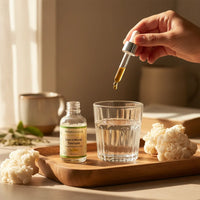
From Forest to Dropper: The Supply‑Chain Story of Organic Lion’s Mane Tinctures

For eco-minded shoppers, the journey of an organic lion’s mane tincture from the heart of the forest to a small glass dropper bottle is much more than a simple process—it’s a multifaceted story combining nature, human ingenuity, and responsible stewardship. Today’s buyers are asking deeper questions: How are lion’s mane mushrooms grown? What is the impact of wild-harvesting versus farmed supply chains? Is the extraction method truly sustainable, and does the packaging align with a commitment to the earth? This guide unpacks each stage, empowering you to make informed, conscious choices when you buy organic lion’s mane tincture online or in-store.
The Beginnings: Where Organic Lion’s Mane Mushrooms Come From
Organic lion’s mane (Hericium erinaceus) is a fascinating fungus long valued in many traditions for its unique appearance and properties. When tracing the supply chain, the first question centers on the source:
- Wild-Harvested Lion’s Mane: Collected directly from mature hardwood forests, wild lion’s mane can offer a deep connection to natural environments. However, overharvesting in certain regions can pose risks to wild populations. Ethical wild-harvesting follows strict guidelines to ensure regeneration and habitat preservation.
- Farmed, Certified Organic Lion’s Mane: The majority of commercial tinctures today use farmed lion’s mane cultivated on organic substrates—often sawdust, wood chips, or grain. Certified organic farms adhere to rigorous standards, banning synthetic pesticides and emphasizing ecological balance.
Consumers seeking organic mushroom supplements often compare mushroom products such as the Lion's Mane Mushroom Liquid Extract | Organic – Brain Focus & Mood to verify authentic sourcing and certifications.
Understanding Substrate and Cultivation Choices
Substrate—the material mushrooms grow on—matters greatly for product quality and the environment:
- Hardwood Substrates: Mimic natural conditions, supporting a fuller array of the bioactive molecules lion’s mane is famous for.
- Grain Substrates: Sometimes used for cost or yield, but may change the nutritional profile. Some premium brands specify “fruiting body only,” indicating greater alignment with traditional forest growth.
- Sustainability Considerations: Choosing farms that use local, renewable substrates and minimize waste helps reduce the carbon footprint. Crop rotation and soil health are crucial for long-term sustainability.
Choosing herbal products that prioritize sustainability, including those geared towards bulk herbs & roots online for tea, tinctures & DIY wellness - organic 4oz bags, can further your eco-conscious habits even when making tinctures at home.
Harvest Practices: Wild Versus Cultivated Mushrooms
Wild-Harvest Tradeoffs
Wild-harvested mushrooms draw from untamed ecosystems, but have both benefits and drawbacks. Increased demand for lion’s mane has fostered tighter regulation, with responsible foragers taking care to only harvest mature specimens and leave behind spores or partial clusters. When buying wild-harvested lion’s mane tincture, look for brands with transparent sourcing, sustainable certifications, or partnerships with conservation groups.
Farmed Lion’s Mane Advantages
Cultivated mushrooms—especially those grown on certified organic farms—are generally more scalable, traceable, and less disruptive to local ecosystems. Indoor farming can manage variables such as humidity and temperature, producing consistent, high-quality mushrooms regardless of seasonal fluctuations. Shoppers seeking the best price on organic lion’s mane tincture often choose products from reputable, sustainable farms.
For additional wellness support, customers may also enjoy the Mushroom Blend Organic 15X Extract | Adaptogen for Brain & Immunity, which combines multiple mushrooms to target cognitive and immune health and is often formulated with sustainable agricultural practices in mind.
From Harvest to Extraction: The Path to Potency
Cleaning, Sorting, and Freshness
Once harvested, mushrooms must be handled with care to preserve flavor and efficacy. Reputable suppliers prioritize cleanliness, minimizing unnecessary transport and time between harvest and processing. After sorting and cleaning, organic lion’s mane proceeds to extraction—the heart of tincture production.

Extraction Methods: How Lion’s Mane Becomes a Tincture
- Alcohol Extraction (Ethanol): The traditional method, alcohol extracts a wide range of mushroom compounds. Look for products specifying organic alcohol for the purest result.
- Dual Extraction (Alcohol + Water): Some brands combine both alcohol and hot water extraction to maximize the capture of different compounds. This process may require more energy but yields a more comprehensive tincture extract.
- Carrier Choices: The base or carrier is often organic grain alcohol or vegetable glycerin. Both have pros and cons: glycerin is alcohol-free and sweeter, while alcohol offers a longer shelf life and broader compound extraction.
Careful selection of organic, dual-extracted Lion's Mane Mushroom Liquid Extract | Organic – Brain Focus & Mood ensures you receive full-spectrum compounds with eco-minded ingredient choices.
When considering where to buy organic lion’s mane tinctures, examine transparency around the extraction process. Premium tinctures typically highlight their methods, sourcing, and carrier choices for discerning shoppers seeking the best quality products.
Those interested in a wider spectrum of nutrient-dense botanicals can supplement their wellness regimen with Memory & Cognition 15X Liquid Extract | Natural Brain & Focus Support, formulated for cognitive health and following similar standards for quality and extraction.
Packaging & Transport: The Final Environmental Touchpoints
Eco-Friendly Packaging for Lion’s Mane Tinctures
The sustainability story doesn't stop at the extraction. Packaging is a crucial supply-chain consideration:
- Glass Bottles: Preferred for tinctures, glass is infinitely recyclable and reduces risk of leaching compared to plastic alternatives.
- Dropper Caps: Usually made from rubber or plastic, but some innovative brands use recyclable or biodegradable options.
- Boxes and Labels: Look for brands using recycled paper or eco-certified materials. Minimalist packaging further lowers carbon footprints.
- Bulk Offers: Some suppliers sell in larger volumes or eco-refills, reducing waste over time.

Besides bottle selection, eco-motivated shoppers may opt for bulk herbs & roots online for tea, tinctures & DIY wellness - organic 4oz bags, allowing home brewing and reducing overall packaging. The Organic Herbal Tea Trio – Build-Your-Own Bundle | Mix & Match Any 3 USDA Organic Herbal Teas & Save 20% is another way to enjoy sustainable packaging through bundled offerings.
Transportation and Carbon Footprint
Sourcing local or regionally produced organic lion’s mane tinctures can lower your order’s transportation emissions. Many eco-conscious companies offset their shipping or use carbon-neutral options, which contribute positively to the full product lifecycle.

Asking the Right Questions: An Empowered Shopper’s Checklist
When you shop for organic lion’s mane tincture online or in wellness stores, simple questions can reveal a lot about sustainability and quality:
- Is the lion’s mane wild-harvested or farmed? If farmed, is it certified organic?
- What substrate was used for cultivation—grain, wood, or a blend?
- Are both the fruiting body and mycelium used, or just one part?
- What extraction process is used (alcohol, water, dual)? Is the alcohol organic?
- Is the packaging recyclable or made from recycled materials?
- Does the company share sourcing, certification, and manufacturing details openly?
- Is your purchase supporting regenerative or community-focused agriculture?
Presence of clear answers to these questions is often a hallmark of a trustworthy, quality-focused brand such as Herbal Goodness, which emphasizes traceability, responsible farming, and thoughtful product design. The Lion's Mane Mushroom Liquid Extract | Organic – Brain Focus & Mood and Mushroom Blend Organic 15X Extract | Adaptogen for Brain & Immunity are well-known for full ingredient and process transparency.
The Real Impact: Why the Supply Chain Matters When You Buy Lion’s Mane Tincture
Every step in the journey—forest or farm, harvest, extraction, packaging, and delivery—carries consequences for people and the planet. The best quality organic lion’s mane tinctures respect the mushroom’s natural cycle, foster resilient ecosystems, and hold themselves accountable from soil to shelf.
Transparent supply chains aren’t just about peace of mind. They’re about measurable footprints: reduced habitat disruption, sustainable labor practices, and meaningful reduction in plastic and chemical use. When you choose to buy from a company attuned to these stories, you empower a cycle that supports both wellness and the earth.
If you want to deepen your commitment, look for companies championing botanicals across categories, such as bulk herbs & roots online for tea, tinctures & DIY wellness - organic 4oz bags or teas like the Organic Herbal Tea Trio – Build-Your-Own Bundle | Mix & Match Any 3 USDA Organic Herbal Teas & Save 20%, which share eco-values in their sourcing and packaging principles.
The Takeaway for Conscious Lion’s Mane Tincture Shoppers
Curious shoppers asking questions about sustainability, sourcing, and process are accelerating a new era in botanical wellness. By tracing the environmental and supply-chain story of organic lion’s mane tinctures, you become part of an expanding movement for accountability and regeneration. Stay curious, investigate supply origins, and compare eco-credentials as part of your buying criteria for a truly mindful purchase.
FAQs:
- What should I look for to ensure a lion’s mane tincture is truly organic and sustainable?
Always look for certified organic labeling, details on substrate (like hardwood versus grain), clear mention of wild-harvested or farmed origin, transparency about extraction (such as dual extraction and organic alcohol use), and information about recyclable or eco-friendly packaging. When buying, choose brands that publish sourcing, certification, and environmental practices.
- Is wild-harvested lion’s mane tincture better than farmed?
Wild-harvested lion’s mane tinctures can offer unique qualities, but over-harvesting can threaten natural populations. Farmed, certified organic lion’s mane is more sustainable and traceable. Consider your values and look for brands balancing ecological impact, quality, and transparency when you shop or order online.
- Which extraction method is best for premium lion’s mane tincture?
Dual extraction (combining alcohol and water) is commonly appreciated for capturing a broad range of beneficial compounds. Opt for products using certified organic alcohol or glycerin and transparent extraction details for best quality when shopping for tinctures.
- Why does packaging matter when buying organic lion’s mane tinctures?
Eco-friendly packaging reduces environmental footprint. Choose tinctures in recyclable glass bottles, with minimalist or recycled paper packaging. Brands invested in sustainability offer these features, helping you make a more mindful purchase.
- How can I find the best quality and price for lion’s mane tincture online?
Look for transparent brands offering certified organic, sustainably sourced tinctures, clear extraction methods, and eco-conscious packaging. Compare reviews and certifications for premium quality, and consider bulk or refill options for better value and lower packaging waste.
- Do organic certifications matter when buying lion’s mane tinctures?
Yes, certified organic products provide assurance that no synthetic pesticides or herbicides are used and that the entire supply chain adheres to strict environmental and quality standards, supporting both your wellness and the planet.
- Can I trust online brands for sustainable lion’s mane tincture sourcing?
High-quality online brands, like Herbal Goodness, openly share detailed sourcing, extraction, and sustainability information. Seek out suppliers with certifications and positive reviews to ensure ethical practices and premium product quality.
Author Name:
Herbal Goodness Editorial Team
Author Bio:
The Herbal Goodness Editorial Team specializes in holistic health and superfoods, blending science and nature to educate and empower our community.
References:
Introducing Graviola to Young Taste Buds: Fun, Family-Friendly Flavor Exploration
Graviola in the Classroom and at Home: Creative Activities to Teach Kids About Tropical Plants
Why Social Impact Matters in Plant-Based Wellness