How to Choose Soursop Bitters Using a Terroir Flavor Map Online

Curiosity about soursop bitters is leading more people to explore the nuanced world of this traditional herbal concoction. While the flavors and textures of soursop bitters can differ wildly from one bottle to the next, most newcomers don’t know where to begin. How do you actually compare the subtle (or not-so-subtle) differences between bottles, brands, or regions? Enter the terroir map—a simple, hands-on approach to tasting, tracking, and understanding soursop bitters purchased online. By learning a few easy techniques for sampling, note-taking, and asking the right sourcing questions, even beginners can start building a personalized guide to the unique sensory world of soursop bitters.
Understanding Soursop Bitters: What Makes Each Bottle Unique?
Every bottle of soursop bitters tells a story—where the fruit was grown, how it was processed, what carriers were used, and even how it was packaged. These variables form the 'terroir' of soursop bitters: the intertwined influences of geography, harvest practices, and craftsmanship that shape how a bottle tastes, feels, and looks. Much like the worlds of wine or coffee, exploring these variations opens up endless opportunities for curious tasters to deepen their appreciation and knowledge.
Key Elements that Shape Soursop Bitters Terroir
- Harvest Region: Soil, climate, and growing practices in places like the Caribbean, West Africa, or Southeast Asia all shape the character of the fruit and leaves used.
- Harvest Timing: Ripeness and freshness at picking change the resulting taste and mouthfeel.
- Extraction Methods: Alcohol, water, or oil carriers pull out different compounds, influencing viscosity, aroma, and finish.
- Blending & Additions: Spice infusions, maceration times, and filtration create unique signatures in every batch.
- Packaging Choices: Exposure to light, closure type, and even bottle material can subtly impact preservation and taste.
Gathering Soursop Bitters Samples Online: A Beginner’s Shopping Guide
Sourcing soursop bitters for home tasting is easier than ever with a wide selection available through online herbal stores, marketplaces, and specialty providers. To build a meaningful terroir map, aim to order at least three to five small bottles or mini-sample packs representing:
- Different geographic origins (listed on the label or website)
- Variety of extraction methods (alcohol-based, water-based, etc.)
- Range of sellers (herbal brands, small-batch artisans, cooperatives)
- Different packaging styles (clear vs. amber glass, cork vs. screw cap)
Exploring Soursop Bitters 15X Liquid Extract | Organic Detox & Wellness Support is a great way to experience a high-potency sample and compare with others that use different regions or extraction methods.
Tips for Sourcing Comparable Soursop Bitters Online
- Check Seller Profiles: Look for details on region of origin, sourcing transparency, and handling practices.
- Verify Ingredient Lists: Are the bitters single-ingredient or multi-herb blends? Prioritize pure or clearly labeled blends for comparison.
- Request Small Formats: Ask if mini bottles or sampler sets are available. Smaller volumes reduce waste and maximize variety.
- Ask Non-Medical Questions:
- Which country or region is the soursop harvested from?
- What carrier or extraction method is used?
- When was this batch bottled?
- Any added botanicals or spices?
- Note Return & Packaging Policies: Properly sealed, well-packaged samples help preserve quality during shipping.
If you’re interested in a different format, Soursop Leaf Graviola Extract 15X Liquid | Organic Cell & Immunity offers an organic extract option suitable for those who prefer higher concentration and immunity support.
Setting Up Your Tasting Session: Tools and Mindset
An at-home tasting session can be as simple or elaborate as you like. The goal is to engage your senses, capture honest impressions, and begin connecting notes across different bottles. Here’s what you’ll need:
- Clean, clear glassware (small glasses for each sample)
- Measuring spoons or droppers (for consistent pours)
- Room-temperature water (for rinsing your palate)
- A dedicated notebook, printout, or digital tasting card
- Phone or camera (for bottle and label photos)
- Comfortable, neutral environment (minimize strong food or smells)
Approach each bottle with curiosity, not judgment. There are no right or wrong answers—only your own impressions, observations, and questions.
The Soursop Bitters Terroir Map: Creating Tasting and Tracking Templates
A terroir map is simply a record of how different bottles, origins, and extraction styles compare in your eyes, nose, and palate. It brings together tasting notes, origin details, and visual records so you can start spotting connections.
Template 1: Tasting Card for Soursop Bitters
| Sample # | Origin/Region | Extraction/Carrier | Packaging | Aroma | First Taste | Texture | Aftertaste | Notes | |----------|--------------|-------------------|-----------|-------|-------------|---------|------------|-------|
- Sample #: Assign each bottle a simple number or code.
- Origin/Region: As listed by seller.
- Extraction/Carrier: Alcohol, water, oil, etc.
- Packaging: Note bottle color, closure type, and label details.
- Aroma: What scents do you pick up before tasting?
- First Taste: Record initial flavor impressions.
- Texture: Oily, dry, viscous, smooth, thin?
- Aftertaste: Lingering notes, bitterness, warmth?
- Notes: Anything else—appearance, label impressions, emotional associations.
Template 2: Photo Collage Sheet
- Snap a clear, well-lit image of each unopened bottle
- Photograph each pour in identical glasses
- Capture close-ups of any unique labels or bottle closures
Pro tip: Print out photos and tape them into your notebook beside each tasting card.

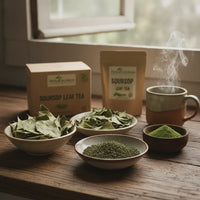
With photos and notes, you’ll quickly learn how small changes in process can make a big difference. For a tasting that leans herbal and gentle, try Soursop Leaf Tea | Organic Graviola 24 Bags – Immunity & Cell Renew as part of your comparison. Its tea format can introduce new textures and aromas into your mapping experience.
Tasting and Comparing Soursop Bitters: Step-by-Step
Once your samples and tools are ready, set aside some quiet time to work through the tasting process. Comparing a few bottles side by side sharpens your senses and reveals both subtle and dramatic differences.
Step 1: Inspect Each Bottle
- Examine label information and packaging.
- Log date, batch numbers, and seller notes.
Step 2: Prepare and Pour
- Pour measured, equal servings into identical glasses for each sample.
- Note any differences in color or clarity before swirling.
Step 3: Aroma Observation
- Swirl gently and inhale the aromas.
- Compare to the written origin and extraction method on your template.
Step 4: Taste and Texture
- Take a small sip, letting the liquid coat your tongue.
- Focus on flavors, mouthfeel, and clarity.
- Rinse palate with water between samples.
Step 5: Record and Reflect
- Complete your tasting card in real time.
- Use descriptive phrases: floral, earthy, woody, spicy, tart, mellow, sharp.
- Jot down anything surprising, pleasing, or unexpected.
- Consider taking a brief break between tastings to let impressions settle.

As you work through different soursop bitters tasting formats, make space for herbal extracts such as Soursop Leaf Graviola Extract 15X Liquid | Organic Cell & Immunity, which highlights the full-bodied, earthy undertones from organic leaves. This can be especially interesting next to water-based teas or multi-herb blends that provide mellow, soothing notes or lighter color profiles.
Comparing, Ranking, and Mapping Your Soursop Bitters
Over time, your dashboard of tasting cards, photos, and sourcing notes becomes your own terroir map. Patterns will emerge: perhaps you gravitate toward alcohol-extracted Caribbean soursop bitters for their boldness, or you favor smoother, water-based options from Southeast Asia. You may notice:
- Darker bottles often preserve fresher aromas
- Some regions yield richer, more layered flavors
- Carriers and extra botanicals affect texture and clarity
- Your favorites may not correlate with price or bottle appearance

How to Use Your Terroir Map
- Track which regions and sellers align with your personal taste
- Refer back before new purchases for smart comparison
- Share and discuss notes in tasting groups or online forums
- Explore additional formats, like teas or capsules, with similar tracking methods
Trying soursop in a variety of preparations helps you home in on personal flavor preferences. For example, Soursop Bitters Graviola Capsules 1000mg | 120ct – Immunity & Detox enables capsule-based tasting and comparison, especially when monitoring differences in taste, convenience, and sourcing.
Ethical Considerations and Personal Exploration
Respect both the traditions behind soursop bitters and your own evolving palate. Responsible online buying—asking sellers about harvest regions, extraction processes, and packaging—helps support transparency and sustainable sourcing. As you explore, you’ll better appreciate the subtle and not-so-subtle differences shaped by climate, craftsmanship, and heritage.
Every new sample can provide insight into the world of soursop bitters sourcing tips. Track details for each batch and see how production methods manifest in real flavor and texture differences.
Embracing the Learning Process: From Novice to Explorer
Soursop bitters terroir mapping is as much about play and curiosity as it is about system and structure. The more bottles you try and compare, the more attuned you become to the nuances shaped by land and labor. Templates and photo logs are simply tools to help you enjoy the journey. If you’re just starting out, Herbal Goodness recommends focusing on discovery—embracing surprises, noting what delights you, and connecting your findings to the origin stories behind each unique bottle.
Ready to deepen your tasting journey? Consider adding a high-quality product like Soursop Bitters 15X Liquid Extract | Organic Detox & Wellness Support to your lineup to experience the concentrated flavor and region-specific nuances that a terroir map can help you identify.
Curiosity is the best guide—start your own soursop bitters tasting journey, tracking what you discover with the simple tools and questions introduced here. Savor each unique bottle, and let your personal terroir map grow with every sip.
FAQs:
- What is a terroir map for soursop bitters?
A terroir map for soursop bitters is a personal tasting record that tracks flavors, textures, packaging, and sourcing details for each bottle or sample you try, helping reveal how origin and processing influence taste.
- What questions should I ask when buying soursop bitters online?
Ask about the harvest region, extraction method (like alcohol or water-based), carrier ingredients, packaging type, and if possible, when the batch was bottled, to learn more about what influences taste and quality.
- How do I compare different soursop bitters at home?
Order a few bottles from varied regions and extraction methods, pour equal servings, use tasting templates, record aroma, taste, and texture notes, and take photos for visual reference.
- What does soursop bitters taste like?
Soursop bitters can range from earthy and herbal to bright, tart, or slightly sweet, with differences depending on fruit source, carrier, and any added botanicals.
- Can I use digital tools to track and compare soursop bitters?
Yes, you can use spreadsheets, phone notes, or digital photo albums to record your tasting notes, bottle images, and sourcing information for easy access and comparison.
- What is the best way to label and organize my soursop bitters samples?
Assign a code or number to each bottle, use standardized tasting cards, and keep photo documentation to keep your records clear and organized.
- How can I ensure I’m ordering authentic soursop bitters online?
Look for transparency from sellers about sourcing, harvesting, and ingredient lists, and prioritize reputable brands or artisan producers who clearly label their products.
Author Name:
Herbal Goodness Editorial Team
Author Bio:
The Herbal Goodness Editorial Team specializes in holistic health and superfoods, blending science and nature to educate and empower our community.
References:
Introducing Graviola to Young Taste Buds: Fun, Family-Friendly Flavor Exploration
Graviola in the Classroom and at Home: Creative Activities to Teach Kids About Tropical Plants