How to Evaluate Homemade or Flea-Market Soursop Bitters Safely

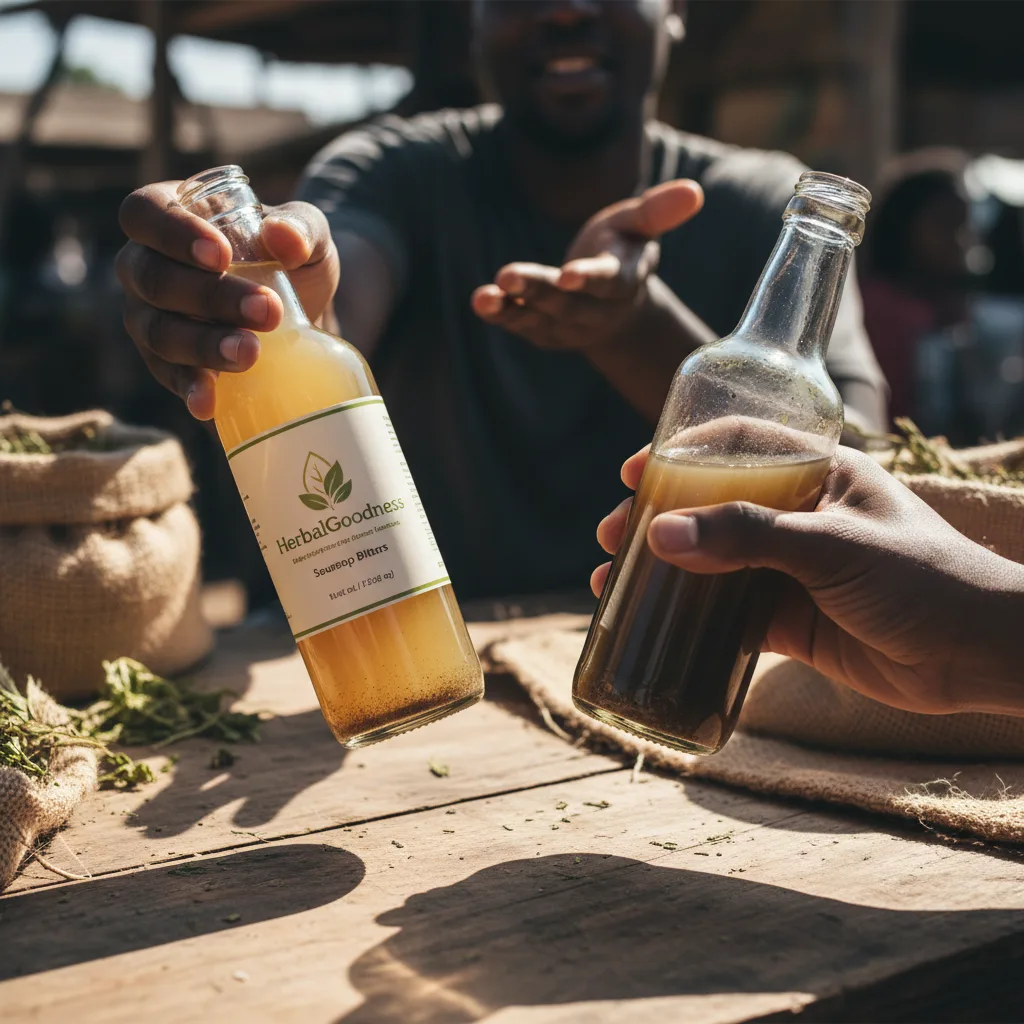
You’re at a local flea market or browsing a friend’s kitchen shelf when you spot an intriguing bottle labeled simply as “soursop bitters”—or maybe it’s not labeled at all. The color catches your eye, and the promise of homemade tradition tempts your curiosity. But you hesitate. How do you evaluate homemade or flea-market soursop bitters found in an unlabeled bottle safely, without relying on technical or medical background? What checks and questions can give you confidence, or help you steer clear?
This practical guide breaks down exactly how to assess the origin, ingredients, and basic quality of mystery soursop bitters using simple, sensory-based steps and polite inquiry. When you encounter an unlabeled or homemade bottle, a few focused observations and questions can reveal a lot—before you taste, purchase, or decide to pass.
Understanding Soursop Bitters and Homemade Herbal Products
Soursop bitters, often rooted in Caribbean and African botanical traditions, are crafted blends featuring Annona muricata (soursop) leaf or fruit steeped in alcohol or vinegar with other roots and herbs. Homemade bitters may capture the depth of traditional recipes but often lack official labeling, batch tracking, or quality assurances. As a result, learning to evaluate packaging, origin, and basic ingredient clues—without advanced laboratory tools—can help you explore confidently while prioritizing your well-being. Supplements such as Cell Renew 15X Liquid Extract | Immunity & Antioxidant Support provide established options for those looking to support their wellness with known ingredient transparency.
1. Initial Visual and Sensory Checks for Unlabeled Soursop Bitters
When facing an unlabeled or homemade bottle, start with gentle but focused sensory checks:
Inspect the Packaging Closely:
- Seal and Closure: Is the cap secure and unopened? Look for evidence of tampering, leaks, or makeshift seals.
- Material Quality: Is the bottle clean? Is it made from food-grade glass or plastic, or does it feel repurposed from a different product?
- Clarity: Glass bottles make it easier to gauge color and clarity, but any cloudiness or sediment could signal residue from herbs—but also questions about filtering. If you regularly enjoy herbal extracts, it’s important to recognize the difference between natural sediment and possible contamination.
Look at the Liquid:
- Color Consistency: Soursop bitters can range from amber to deep brown, depending on the mixture. Unusual spots, separation, or floating debris may mean leftover herbs but could also flag unwanted contamination.
- Sediment: Some herbs naturally leave sediment, but excessive, flaky, or fuzzy particles warrant caution.
Smell and Observe Aroma:
- Natural Aromatics: Soursop and other botanicals should offer a fresh, herbal aroma. Harsh or off-putting sour notes (not from vinegar), chemical odors, or spoilage-like scents are strong warning signs.
- Alcohol Base: If the aroma is overwhelmingly alcoholic or strangely absent, it may suggest improper steeping or base ingredient choice. Alcohol or strong herbal notes are normal, but foul or rotten undertones are not.
If you’re drawn to exploring different herbal infusions, comparing familiar high-quality teas such as Bamboo Leaf Tea 24 Bags | Nature's Silica – Collagen & Biotin Support can help train your senses to detect quality.
2. What Seller Transparency Can Tell You About Origin and Ingredients
When you can, politely ask the vendor or maker several open-ended questions. Safe, reliable sellers are typically open to gentle scrutiny.
Questions to Consider:
- "Did you make this yourself, or know who did?"
- "What ingredients were used—and are they all food-grade?"
- "How old is this batch? When was it bottled?"
- "Has this been filtered or strained?"
- "What do you recommend as a serving size, and how do others enjoy it?"
Red Flags in Responses:
- Hesitation, vagueness, or nervousness may suggest poor documentation.
- Sellers unable to answer key questions about sourcing or preparation offer less accountability.
- Wild claims about what the bitters “do” rather than how they are made may indicate lack of transparency or exaggeration.
If possible, look for any written notes, recipe cards, or printed info nearby—even hand-written ones. These can provide clues to sourcing diligence. If a prepared herbal product comes with clear documentation of sourcing and preparation (like those found with reputable products such as Ashwagandha Extract | Organic Root Liquid – Stress, Energy & Mood), it adds confidence.
3. Signs of Safe Handling and Basic Provenance
Investigate the care taken in preparation and storage, focusing on visible and commonsense details:
Handling and Storage:
- Is the bottle kept out of sunlight and direct heat? Herbal extracts can degrade with excess light or heat exposure.
- Are multiple bottles prepared in a consistent manner, or do they appear to be random leftovers? Uniformity often signals attention to detail and batch management.
- Does the vendor use gloves or clean handling methods when pouring or serving?
Ask Where Ingredients Came From:
- Sellers who can share which market, supplier, or even garden their ingredients came from demonstrate commitment to origin traceability.
- “Wild-crafted,” “organic,” or “locally gathered” should be supported by further explanation, not just buzzwords.
- If you’re told the recipe changes each time, or that anything and everything might be added, this points to inconsistency and potential for unknown allergens.
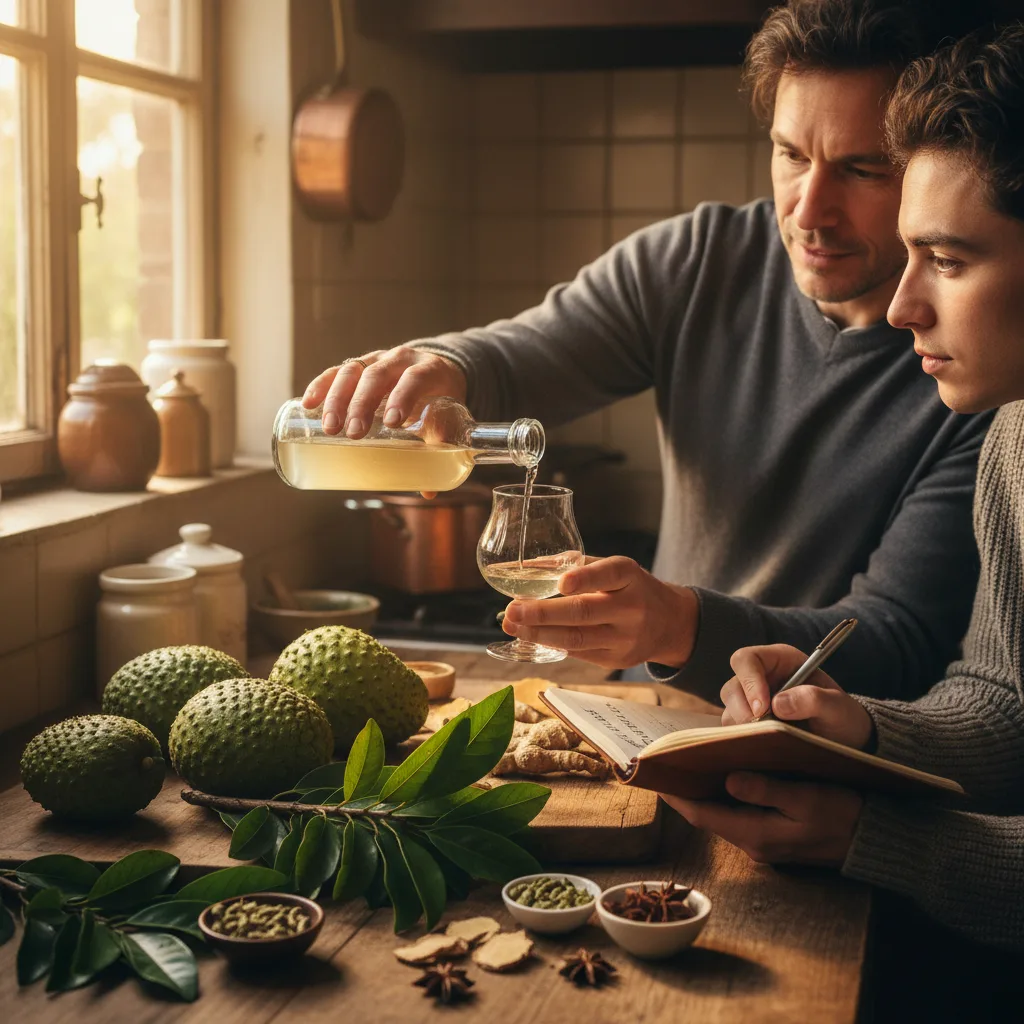
4. When to Seek More Information or Professional Lab Verification
Homemade herbal preparations cannot always claim standardized quality or ingredient verification. Use your judgment—if the sensory and seller transparency checks leave you uncertain or uncomfortable, it’s best to err on the side of caution.
When to Seek More Transparency:
- If you plan to use bitters regularly or give them to others, ask the maker about ingredient sourcing and how they ensure cleanliness and safety during preparation.
- If you have allergies or sensitivities, request a full ingredient list, even if handwritten.
When Lab Verification May Be Needed:
- Unlabeled products from unknown sellers should not be assumed safe for regular intake or gifting.
- If you have any doubt about the cleanliness, alcohol content, or the presence of potential irritants, consider consulting a professional herbalist or laboratory for ingredient screening—especially if you plan to consume the bitters over time.
While true lab verification isn’t realistic at most flea markets, you can still prioritize your own comfort by spotting the signs that a maker values transparency and quality. For those who value proven safety and clear documentation, exploring established options with full ingredient lists (like Cell Renew 15X Liquid Extract | Immunity & Antioxidant Support) can provide peace of mind.
5. Should You Buy or Pass? Making the Decision with Confidence
Only you can decide whether a bottle checks enough boxes to take the next step. Use a blend of sensory evidence, vendor transparency, and your own comfort level assessing these key considerations:
- The bottle’s integrity and cleanliness
- The color, aroma, and consistency of the liquid
- Satisfactory, specific answers from the seller
- Any available written or oral history of the batch
- Appropriate display, storage, and handling practices
If doubts linger—especially about origin, unknown added ingredients, or potential contaminants—there’s no harm in appreciating the maker’s effort but moving on. If you do choose to buy, using a Herbal Goodness Gift Card can be a thoughtful way to share the gift of wellness with others, allowing them to select reputable and transparent herbal products of their own choosing.

6. Responsible Handling and Storage If You Choose to Sample
If you decide to buy a bottle for further exploration, take these basic steps for safe handling:
- Label the bottle with the date and any information you’ve learned
- Store in a cool, dark place to preserve freshness
- Sample only a very small amount first, noting both aroma and flavor
- Watch for changes in aroma, color, or signs of spoilage over time
Even with intriguing homemade products, your well-being comes first. Trust your instincts—if anything seems off, it’s best to stop and reconsider continuing. If you enjoy experimenting, pair the experience with familiar, well-sourced botanicals (for example, Ashwagandha Extract | Organic Root Liquid – Stress, Energy & Mood) to supplement your routine with confidence.
Conclusion: Safe Curiosity and Community Wisdom
Exploring unlabeled soursop bitters at a flea market or homemade batch can be a rewarding journey into community traditions—but only if you combine curiosity with sensible caution. Simple visual, olfactory, and sourcing checks reveal much about what’s in the bottle, who made it, and whether it deserves a place on your shelf. When in doubt, remember: there’s no substitute for clear information and your own comfort. Thoughtful, educated decisions keep your wellness journey both adventurous and safe.
Frequently Asked Questions
Question 1: What are key safety checks before trying homemade soursop bitters?
Answer: Start by visually examining the bottle’s seal and cleanliness, and observe the clarity and consistency of the liquid. Smell for off odors, and ask the seller about ingredients, preparation method, and origin. If there’s any doubt, it’s safer to pass or consider options like Cell Renew 15X Liquid Extract | Immunity & Antioxidant Support.
Question 2: How do I know if soursop bitters have been safely prepared?
Answer: Look for clean packaging and uniform batches, ask if the ingredients are food-grade and traceable, and check for written notes of sourcing. Consistent answers and proven storage practices similar to quality products like Bamboo Leaf Tea 24 Bags | Nature's Silica – Collagen & Biotin Support increase confidence.
Question 3: Is homemade or flea-market soursop bitters safe for regular consumption?
Answer: Homemade bitters lack standardized verification, so regular intake carries risk if origin and cleanliness aren’t clearly established. Using herbal extracts from trusted sources, such as Ashwagandha Extract | Organic Root Liquid – Stress, Energy & Mood, is the safer path for consistent use.
Question 4: What should I do after purchasing unlabeled herbal bitters?
Answer: Immediately label the bottle with the date and any information you learned, store it in a cool, dark area, and sample only a small amount. Watch for spoilage signs and consider combining with clearly labeled products for routine herbal support.
Explore traditional herbal wisdom safely—ask questions, observe details, and choose only soursop bitters you trust for wellness journeys that honor quality and care.
About the Author
Herbal Goodness Editorial Team
The Herbal Goodness Editorial Team specializes in holistic health and superfoods, blending science and nature to educate and empower our community.
Also Read:
Trade-Show Checklist: Vetting Wholesale Suppliers of Immune-Focused He
Capsule Dissolution Checks: Safe Guide for Chanca Piedra Capsules You
How to Read Lab Reports for Guava Leaf Extract: Plain-English COA Guid
Guava Leaf Tincture 15X: How to Taste, Dilute, and Experiment at Home
Moringa Liquid Extract: Simple Guide to Concentration Labels & Recipe
Can’t Find Hibiscus Tea Locally? How to Ask Shops to Stock It (Sourcin
How Contract Packaging Enables Traceability for Herbal Supplements: Lo
Third-Party Testing & Certifications: Vet Organic Detox & Glow Supplem