Papaya Leaf Extract Capsules Alternatives: 7 Herbs to Buy Instead

If you’ve been searching for papaya leaf extract capsules and come up empty, you’re not alone. Many herbal enthusiasts appreciate papaya leaf for its unique profile, but supply can be unpredictable. Luckily, nature offers an abundance of botanicals that share similar bitter or green herbal notes—ideal for those who love to experiment with new flavors, home rituals, and brewing methods. Whether you’re a tea aficionado, a fan of capsules, or enjoy traditional tinctures, exploring herbal alternatives expands both palate and practice. In this guide, you’ll discover seven compelling botanicals with parallel flavor or functionality to papaya leaf, practical brewing insights, and key questions to ask when choosing your next herbal adventure.
Why Seek Papaya Leaf Extract Alternatives?
Flavor, ritual, and curiosity often drive the search for new herbs. For those who enjoy papaya leaf, the appeal typically lies in its slightly bitter, green taste, adaptability to different formats, and tradition of home brewing or supplementation. When capsules are unavailable, exploring alternatives can open up new sensory experiences and enrich your wellness routine. Understanding which botanicals share a similar profile will help you select the right fit for your needs.
Key Factors When Exploring Herbal Substitutes
Before diving into specific botanicals, it’s helpful to clarify what you value most:
- Flavor Profile: Do you enjoy bitter greens, earthy tea, or bright floral notes?
- Preparation Style: Are you looking for something to steep, swallow, or blend?
- Format Availability: Do you need capsules, loose leaves, or a convenient tincture?
- Sourcing and Sustainability: Is clean sourcing, organic cultivation, or wildcrafting important to you?
Keeping these priorities in mind as you browse alternatives will help streamline your decision.
1. Guava Leaf: A Versatile Green Alternative
Tasting Notes and Traditional Use
Guava leaf offers a gentle bitterness with subtle astringency and a fresh, slightly sweet aftertaste. Guava leaves have been appreciated in various world traditions for infusions and teas, making them a natural transition if you enjoy papaya leaf’s flavor.
Brewing and Format Comparisons
Guava leaves are commonly available in loose-leaf tea, pre-bagged sachets, or as capsules. When brewing, use 1–2 teaspoons of dried leaves per cup, steeping for 8–10 minutes. The infusion develops a light golden hue and pairs well with citrus or ginger. For those who prefer a convenient ready-to-brew option, Guava Leaf Tea Organic 24 Bags | Immunity & Gut Wellness – Caffeine-Free delivers the distinctive notes of guava leaf in an easy-to-use tea bag format.
Sourcing Considerations
Look for guava leaves grown without synthetic chemicals, ideally supported by transparent farmer partnerships. Ask your supplier whether harvesting methods support long-term tree health.
2. Soursop Leaf: Earthy and Delicate
Tasting Notes and Tradition
Soursop (Graviola) leaves offer a smooth, slightly grassy flavor with a hint of earthiness and mild bitterness, making them a gentle alternative to papaya leaf.
Brewing and Format Comparisons
Soursop leaves can be steeped as a whole or shredded herb—use 2–3 whole leaves or a tablespoon of torn leaf per cup. Simmer gently for 10–15 minutes to release the full flavor. Soursop leaf is less commonly found in capsule form, but tinctures and loose leaf are widely available. A convenient choice for wellness routines, Soursop Graviola Leaf Extract Capsules 10X | 60ct – Cell & Immunity offer the benefits of soursop in an easy capsule format.
Sourcing Considerations
Ensure sustainable sourcing, as wild populations can be sensitive to overharvesting. Reputable brands should provide traceability and information on ethical harvesting protocols.
3. Olive Leaf: Mediterranean Bitterness
Tasting Notes and Tradition
Olive leaf, best known from Mediterranean herbal practice, presents a clean, assertive bitterness with grassy-olive undertones. If you’re drawn to bolder herbal flavors, olive leaf may resonate.
Brewing and Format Comparisons
Available as a fine powder, whole or crushed leaf, or in capsules, olive leaf makes a robust tea when steeped for 8–10 minutes with hot (not boiling) water. Add lemon or honey to soften the bitterness. If variety is what you seek, creating your own blends with our organic herbal teas allows you to experiment with olive and other detoxifying botanicals.
Sourcing Considerations
Look for olive leaf products that specify origin (such as Spain, Greece, or Italy), and inquire about pesticide and heavy metal testing for leaves sourced from commercial olive groves.
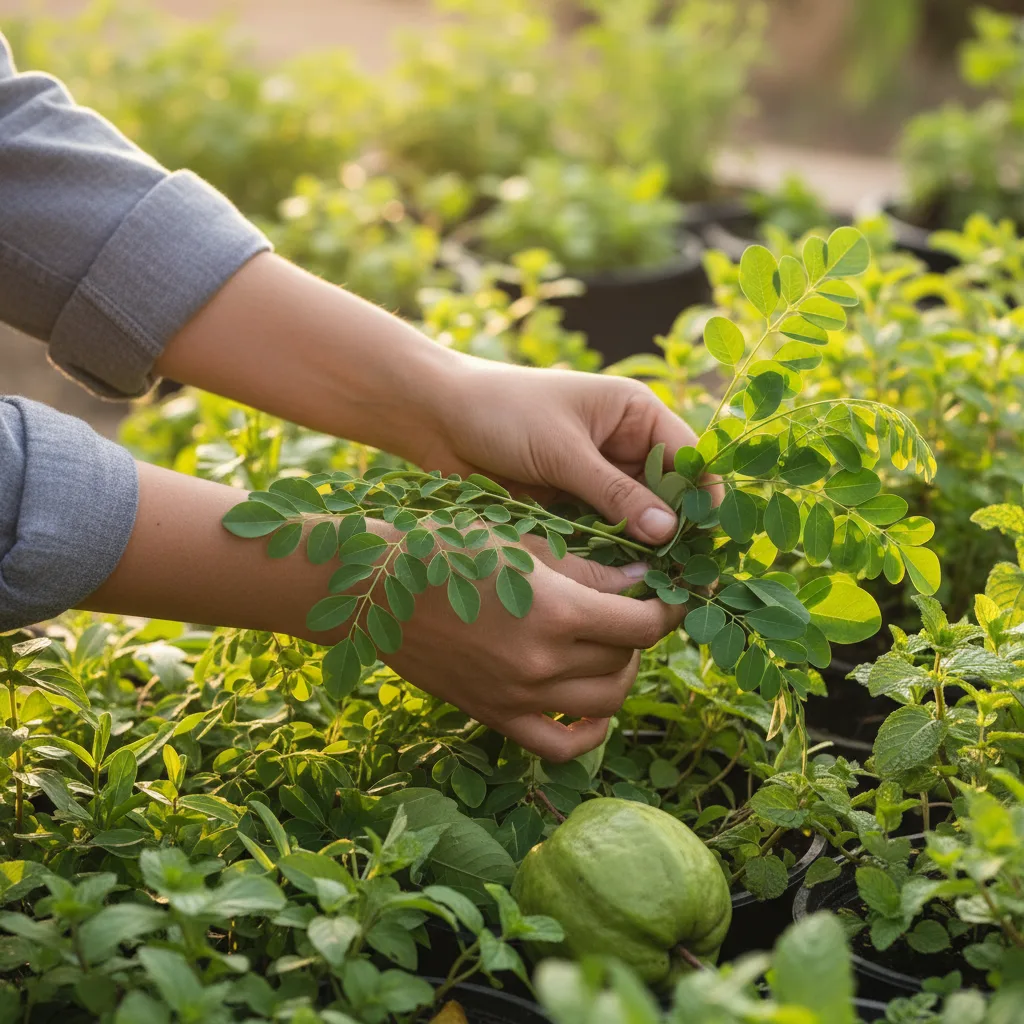
4. Moringa Leaf: Nutritious and Mildly Bitter
Tasting Notes and Tradition
Moringa oleifera leaves are well-regarded for their mild bitterness balanced by a savory, spinach-like taste, often appreciated both as a culinary green and an herbal infusion.
Brewing and Format Comparisons
Moringa is widely available in capsules, powders, and loose-leaf teas. To brew, use 1–2 teaspoons of dried leaf per cup, steeping for 5–7 minutes. It can also be incorporated into smoothies or used as a sprinkle atop salads. Consider exploring Moringa Leaf Extract 15X Liquid | Organic – Immunity & Total Wellbeing for a convenient, potent liquid option that is easy to add to any daily routine.
Sourcing Considerations
Confirm that your moringa is shade-dried and sourced from organically managed farms, as these methods tend to best preserve flavor and color integrity.
5. Bamboo Leaf: Clean and Refreshing Flavor
Tasting Notes and Tradition
Bamboo leaf tea has a delicate, grassy flavor reminiscent of green tea with a subtle sweet aftertaste. Less bitter than papaya leaf, it’s ideal for those desiring a milder profile.
Brewing and Format Comparisons
Loose bamboo leaves are most common, though some specialty producers offer capsules or tinctures. Steep 1 tablespoon in hot water (not boiling) for 7–8 minutes. This tea is light, with a pale yellow color and is easy to blend with other herbs. Bamboo Leaf Tea 24 Bags | Nature's Silica – Collagen & Biotin Support provides convenience and a fresh, green flavor for daily sipping.
Sourcing Considerations
Quality matters—ensure bamboo leaf comes from a clean, pesticide-free environment. Bamboo grows rapidly, so sustainability is generally favorable if harvesting is mindful.
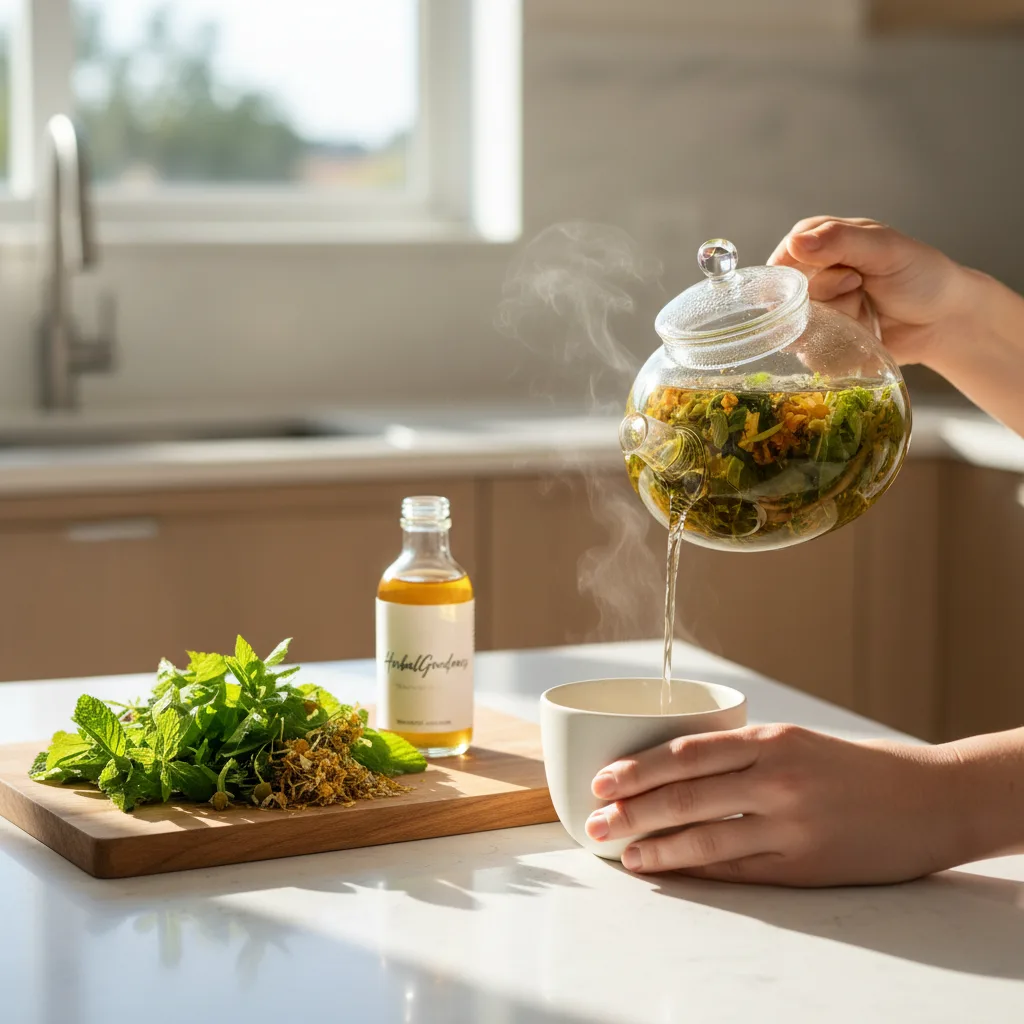
6. Dandelion Leaf: Classic Bitter Green
Tasting Notes and Tradition
Dandelion leaves are a beloved bitter green, frequently included in herbal traditions across Europe and North America. They boast a pronounced grassy bitterness with an herbal finish.
Brewing and Format Comparisons
Dandelion is readily available both as tea and in capsules. For infusion, use 1–2 teaspoons of dried leaf and steep for 10 minutes. Both hot and cold preparations are popular. You can also find dandelion in tincture format for easy daily use. For targeted wellness, Dandelion Root Organic Liquid Extract | Liver & Detox Wellness offers a simple, potent liquid option to add to your routine.
Sourcing Considerations
Wildcrafted dandelion is popular, but be sure the source is free from environmental contaminants. Ask about foraging locations and pesticide testing.
7. Hibiscus: Tart, Vibrant, and Ritualistic
Tasting Notes and Tradition
Hibiscus is known for its bold magenta color and tangy, refreshing flavor. While it isn’t bitter like papaya leaf, it shares a leafy depth and is often paired with other greens for a balanced brew.
Brewing and Format Comparisons
Hibiscus is most often enjoyed as a loose flower or in tea bags; it’s also available in capsules and tinctures. Steep 1–2 teaspoons of dried petals for 5–7 minutes. The resulting brew is cooling, aromatic, and visually striking—a favorite for tea rituals. To enjoy hibiscus in a practical format, Organic Hibiscus Tea 24 Bags | Heart Health & Antioxidant Wellness brings tartness and vibrancy to your daily tea ritual.
Sourcing Considerations
Look for hibiscus grown without chemical sprays, and pay attention to freshness—hibiscus quickly loses vibrancy when old or poorly stored.
Practical Tasting and Brewing Tips
- Experiment in Small Batches: Try each herb individually before mixing; this allows you to appreciate its unique notes.
- Mind Water Temperature: Most leafy botanicals perform best with hot, not boiling, water (185–200°F), preserving delicate compounds without imparting sharp bitterness.
- Capsules vs. Teas: Teas offer a fuller sensory experience for flavor lovers, while capsules provide convenience for those on the go. If wellness support is your primary priority, Blood Platelet Plus Capsules 20X | 60ct – Advanced Platelet Formula offer a capsule format with botanical power.
- Blending Botanicals: Some combinations, like hibiscus with dandelion or olive leaf with guava, create new layers of flavor—experiment gently to find your favorite blend.
Format Comparisons: Capsules, Teas, and Tinctures
- Capsules: Discreet and portable, best for when flavor isn’t a priority. Look for additive-free options with pure, minimally processed leaf.
- Teas: Celebrate aroma, taste, and ritual. Loose leaf teas generally retain more complexity than tea bags. Explore options in the Herbal Tea Trio Bundle | Guava, Hibiscus & Avocado – 3 Organic Packs for variety and convenience.
- Tinctures: For those who prefer a few drops in water, tinctures provide a concentrated, rapidly absorbed herbal format. One example is the Soursop Leaf Graviola Extract 15X Liquid | Organic Cell & Immunity, a popular choice for those seeking a potent, easy-to-dose format.

Each format has unique benefits and drawbacks depending on your lifestyle and desired experience.
Sourcing and Sustainability: Questions to Ask
- Where are the herbs grown? (Local, international, wildcrafted?)
- Are the leaves hand-harvested or mechanically processed?
- What transparency is provided about growing practices?
- Which certifications matter most to you (organic, fair trade, etc.)?
- Does the supplier practice ecological stewardship and fair labor?
Brands like Herbal Goodness may offer detailed sourcing and ethical information on their botanicals, so don’t hesitate to inquire before purchasing.
Rituals and Personal Exploration
For those who love ritual and exploration, switching to botanical alternatives isn’t just about replacing an unavailable product—it’s an invitation to expand your flavor horizons and immerse yourself in new traditions. Whether you steep a single leaf, blend bitters with florals, or mindfully swallow a capsule each morning, herbal alternatives offer a meaningful way to stay connected with nature’s diversity.
Exploring guava, soursop, olive, moringa, bamboo, dandelion, and hibiscus enables you to personalize your wellness journey, experiment with taste, and practice sourcing mindfulness—all valuable elements in any herbal routine.
Frequently Asked Questions
Question 1: What is the best herbal alternative to papaya leaf extract capsules?
Answer: Popular choices include soursop leaves, guava leaf, and bamboo leaf teas. For supplement convenience, options like Soursop Graviola Leaf Extract Capsules 10X | 60ct – Cell & Immunity or Guava Leaf Tea Organic 24 Bags | Immunity & Gut Wellness – Caffeine-Free provide similar benefits in easy-to-use formats.
Question 2: How do I select a safe and sustainable herbal substitute?
Answer: Always check sourcing details and certifications. Herbal Goodness offers products like Bamboo Leaf Tea 24 Bags | Nature's Silica – Collagen & Biotin Support and Dandelion Root Organic Liquid Extract | Liver & Detox Wellness, which provide transparency and sustainable sourcing info.
Question 3: Are these alternatives available in capsule form?
Answer: Yes, you can find several herbal extracts in capsules such as Soursop Graviola Leaf Extract Capsules 10X | 60ct – Cell & Immunity and Blood Platelet Plus Capsules 20X | 60ct – Advanced Platelet Formula.
Question 4: Can I blend these herbs together for a custom brew?
Answer: Absolutely! Blending botanicals such as hibiscus and dandelion, or olive leaf and guava leaf, can result in complex, enjoyable flavors. Try bulk options like Bulk Loose Leaf Teas & Tisanes - Organic 4oz - Herbal Wellness Teas for custom blends.
Question 5: What’s the difference between teas, tinctures, and capsules?
Answer: Teas provide a sensory experience, tinctures offer concentrated absorption (such as Soursop Leaf Graviola Extract 15X Liquid | Organic Cell & Immunity), and capsules are convenient for those on the go (like Blood Platelet Plus Capsules 20X | 60ct – Advanced Platelet Formula).
Question 6: Who should consider trying herbal alternatives?
Answer: Anyone looking to replace papaya leaf, explore new wellness rituals, or diversify their diet with greens and bitters. Start with safe, traceable products like Guava Leaf Organic 15X Liquid Extract | Immunity & Gut Wellness.
Question 7: Are there side effects to these herbal alternatives?
Answer: Most leafy botanicals are well-tolerated, but individuals should research each option, consult with a healthcare professional, and start with products from reputable suppliers like Herbal Goodness.
Curious to explore these botanicals further? Compare flavors, sourcing, and brewing rituals to personalize your herbal journey and connect with nature’s abundance.
About the Author
Herbal Goodness Editorial Team
The Herbal Goodness Editorial Team specializes in holistic health and superfoods, blending science and nature to educate and empower our community.
References
Introducing Graviola to Young Taste Buds: Fun, Family-Friendly Flavor Exploration
Graviola in the Classroom and at Home: Creative Activities to Teach Kids About Tropical Plants