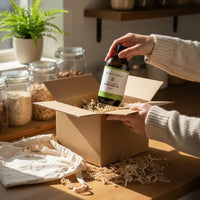
Why Cold-Pressed Black Seed Oil Looks Cloudy or Has Sediment

If you’ve ever shopped for cold-pressed black seed oil or opened a new bottle at home, you might have been surprised to see a cloudy tint, tiny grainy flecks, or a layer of sediment at the bottom. For beginners, these visual differences can raise questions: Is the oil still good? Does cloudy black seed oil mean it’s unpure or gone bad? Will this affect quality or safety? In this article, you’ll find a clear, beginner-level explanation for why cold-pressed black seed oil might look cloudy or have visible sediment. You’ll learn the natural causes for these visual clues, how packaging and storage play a role, simple at-home checks to assess your oil, and what steps to take if you’re shopping online or have concerns.
Understanding Cold-Pressed Black Seed Oil Appearance
Black seed oil, especially when cold-pressed, can look quite different from other oils. These differences are usually harmless and often connected to how the oil was extracted and handled.
Why Is Cold-Pressed Oil Different?
Cold-pressing means that the black seeds are mechanically pressed to extract oil without exposing them to heat or harsh chemicals. This gentle process preserves more of the oil’s natural flavor, color, and unique compounds. But it also means:
- The oil often contains tiny plant particles or 'solids' leftover from the black seeds.
- The natural color can range from golden to dark amber, sometimes with cloudiness or hazing.
- The oil is not filtered as aggressively as commercial, refined oils, so variations are expected.
If you are interested in supporting your daily wellness, cold-pressing preserves more of the beneficial nutrients, much like the process used in the highly regarded Black Seed Oil 8oz | Cold-Pressed Nigella Sativa – Immune & Daily Wellness. With cold-pressed black seed oil, it’s common to see more variation in appearance compared to clarified or heat-processed oils.
Common Cloudiness and Sediment Explained
Several factors can lead to a cloudy appearance or visible sediment:
1. Plant Solids and Natural Sediment
Unfiltered or lightly filtered black seed oil may retain tiny seed fragments or natural waxes. Over time, these heavier particles can settle at the bottom, forming sediment. This is often a sign of minimal processing, not poor quality. If you see natural waxes and tiny flecks in your Black Seed Oil 8oz, it reflects the oil’s purity and less-refined state. For those seeking a multivitamin boost and hearty support for wellness, you might also consider exploring Raw Sea Moss 8oz Bag | St. Lucia Wildcrafted – Nature's Multivitamin, which uses a similarly gentle processing method to retain its natural composition.
2. Temperature Effects (Cloudy in the Cold)
Like olive oil, cold-pressed black seed oil can become cloudy or semi-solid in cool temperatures. If you store your oil in the fridge or during cold weather, you may see it turn milky or develop floating “clouds.” This is natural and will usually clear up as it returns to room temperature. Sediment or cloudiness due to temperature changes is normal and not a sign of spoilage.
3. Winterization and Wax Separation
Some natural oils contain plant waxes that can separate and clump when the oil is chilled—a process called winterization. This often shows up as waxy particles or soft sediment; it’s not a problem unless the texture or smell is unpleasant. These features are similar to the sediment you may also see in other unfiltered liquids, including Organic Papaya Leaf Extract 16oz | 15X Liquid – Best Value Size, which is known for being minimally processed and retaining active herbal compounds.
4. Gravity Settlement
Any natural, minimally processed oil may allow gravity to pull down the heaviest particles. This sediment will stay at the bottom of the bottle and is perfectly normal for many cold-pressed, unfiltered oils.
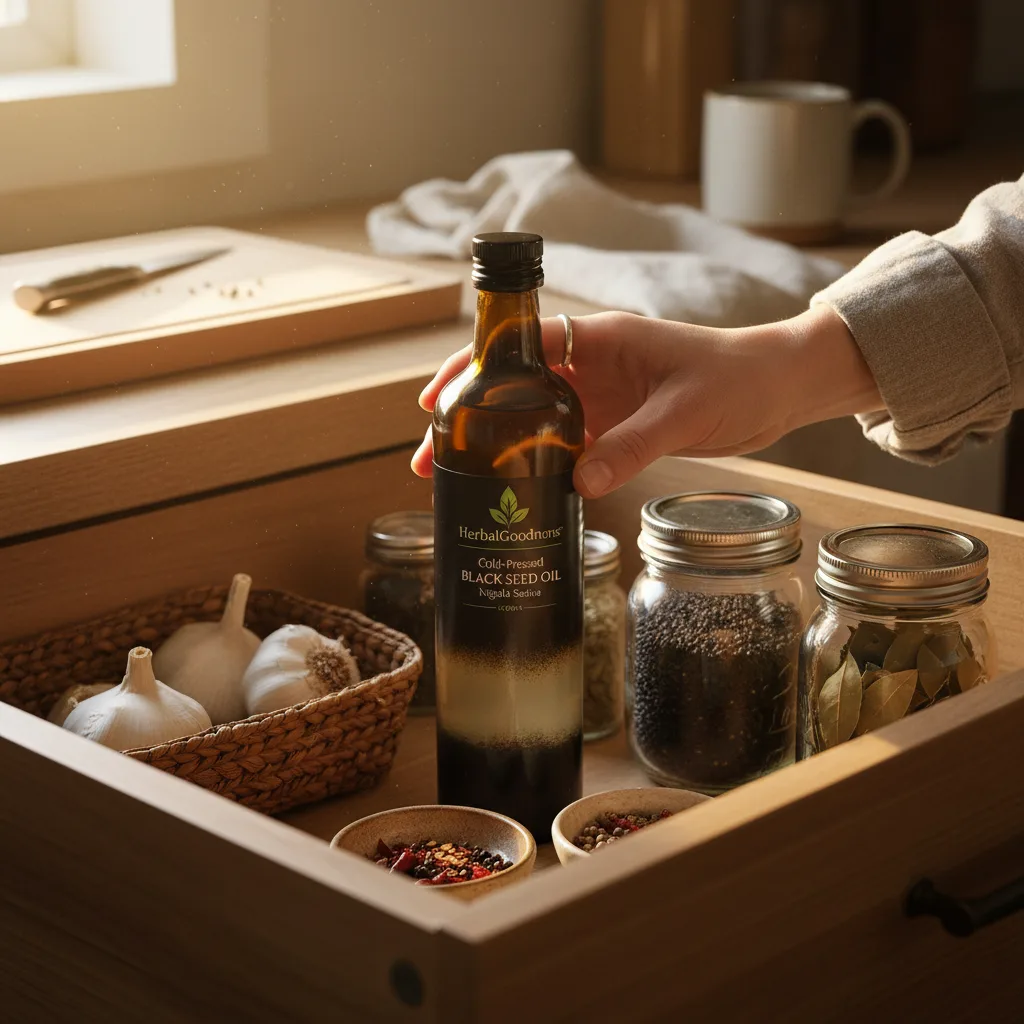
Does Cloudy or Sediment-Filled Oil Mean It’s Bad?
Most of the time, a cloudy appearance or visible sediment in cold-pressed black seed oil is normal and harmless. In fact, it can be a sign the oil is less processed and authentic. However, there are a few visual and sensory red flags to know.
Harmless Signs in Cold-Pressed Black Seed Oil
- Mild cloudiness, especially after cold storage
- Thin layer of soft sediment at the bottom
- Slight variation in color from batch to batch
- Tiny seed particles visible when the oil is held up to light
When to Take a Closer Look
- Strong, sour, or off odors
- Unusual thick clumps that don’t break up at room temperature
- Extreme separation (large floating layers)
- Sliminess or unexpected textures
- Mold growth or unusual color changes not explained by storage conditions
If you notice any of the red flag signs, it’s best to consult the vendor for guidance. Choosing oils bottled in protective packaging, such as Black Seed Oil 8oz | Cold-Pressed Nigella Sativa – Immune & Daily Wellness, helps reduce the likelihood of spoilage and preserves freshness, as quality suppliers prioritize safety and batch testing.
Packaging and Storage: How They Affect Oil Appearance
How cold-pressed black seed oil is bottled and kept makes a big difference in how it looks:
The Role of Packaging
- Dark glass bottles help shield the oil from sunlight, reducing premature color changes or separation.
- Airtight seals prevent nutrient loss and reduce exposure to moisture, which can influence the oil’s surface or sediment formation over time.
- Clear bottles look attractive but leave oil open to light which can speed up cloudiness or cause visible separation quicker.
If you’re also considering nutrient-dense supplements for well-rounded wellness, you might compare oil packaging with that used for Raw Sea Moss 8oz Bag, which emphasizes freshness for optimal nutrient retention.
Storage Conditions
- Temperature swings (moving from cold to warm environments) can cause cloudiness and condensation to appear or disappear.
- Prolonged refrigeration often produces waxy deposits. Letting the bottle sit at room temperature will usually clear this up.
- Shelf storage at cool, stable temperatures supports consistency. Avoid placing the bottle near stoves or sunny windows.

Looking for other ways to support your body’s balance? Adopting a storage routine similar to that recommended for Organic Papaya Leaf Extract 16oz helps keep liquid herbal extracts effective and safe as well.
At-Home Checks: Distinguish Harmless Signs from Red Flags
Curious if your cloudy or grainy black seed oil is still in good shape? Here are some practical checks you can do at home.

Smell Test
A clean, slightly earthy or nutty scent is expected. If you notice a sour, overly sharp, or foul odor, contact the manufacturer or seller before use. Premium cold-pressed choices, like Black Seed Oil 8oz | Cold-Pressed Nigella Sativa – Immune & Daily Wellness, should not have any off-putting smells.
Visual Inspection
- Hold your bottle up to the light. Soft sediment or natural haze is usually fine.
- Swirl the bottle gently. Harmless cloudiness may dissipate as oil returns to room temperature.
- Check for floaties or odd layers. Soft plant flecks are normal, but large floating masses or foamy textures are not.
Those who also appreciate transparency in supplement quality should note that products like Organic Papaya Leaf Extract 16oz | 15X Liquid offer batch-testing accountability, so you always know what is in your bottle.
Texture Check
Pour a small amount onto a spoon or plate.
- Natural black seed oil feels light and slightly viscous—not gritty or overly thick.
- Gritty sediment is normal when driven by natural seed pieces, but slimy or sticky sensations are not.
For additional nutrient-rich wellness, incorporating products processed as gently as Raw Sea Moss 8oz Bag supports a whole-food approach to daily vitality.
Practical Steps for Online Shoppers Curious About Black Seed Oil
Shopping for black seed oil online can feel intimidating, especially with so much visual variation in natural oils. Here’s how thoughtful shoppers can move forward confidently.
Storage Tips After Purchase
- Store cold-pressed black seed oil in a cool, dark place, sealed tightly after every use.
- If the oil was shipped during very cold weather and arrived cloudy, allow it to return to room temperature.
- Avoid leaving open bottles in warm, humid areas, which can speed up changes in appearance.
The same care applies to herbal liquid extracts, such as Organic Papaya Leaf Extract 16oz, which also benefit from consistent storage.
Questions to Ask Sellers Before Buying
- Is your black seed oil cold-pressed and unfiltered?
- How is the oil packaged and stored before shipping?
- Is it normal for your oil to have visible sediment or cloudiness?
- What’s your batch testing protocol and can you provide certificates if requested?
- How long does your oil typically last after opening?
When to Ask for Batch Test Results
Quality suppliers—such as Herbal Goodness—regularly test their batches for freshness and purity. If you see unusual features you’re not sure about, you can request testing results or certificates of analysis. Responsible sellers are transparent and happy to share safety data with informed shoppers. This level of disclosure is valued among consumers of Raw Sea Moss 8oz Bag and other herbal wellness products.
Summary: Visual Clues Make You a More Confident Black Seed Oil Shopper
Cloudiness, sediment, and color variation in cold-pressed black seed oil are mostly harmless and point to the natural, less-processed nature of real black seed oil. As you learn about the visual clues and what affects them, you become a more skilled and confident shopper. Trust your senses, store your oil carefully, and always reach out to the supplier with questions about anything unusual you spot.
Frequently Asked Questions
Question 1: Is cloudy black seed oil safe to consume?
Answer: Yes, in most cases, mild cloudiness in cold-pressed black seed oil is safe and indicates less processing. Evaluate by smell and texture—if it has an off odor or feels slimy, contact the seller before using.
Question 2: What causes sediment to appear at the bottom of black seed oil bottles?
Answer: Sediment usually comes from tiny plant solids, waxes, or natural seed fragments left behind by minimal filtration. This is common in products like Black Seed Oil 8oz | Cold-Pressed Nigella Sativa – Immune & Daily Wellness.
Question 3: Should I refrigerate my black seed oil?
Answer: No, refrigeration can cause cloudiness and wax separation. Instead, store black seed oil in a cool, dark cupboard to maintain consistency.
Question 4: How do I know if my black seed oil has gone bad?
Answer: Check for sour, off, or rancid odors, slimy texture, unexpected color changes, or mold. If any of these are present, avoid using the oil and ask the vendor for guidance.
Question 5: Can temperature changes affect the appearance of black seed oil?
Answer: Yes, black seed oil may become cloudy if stored in colder environments. Letting it return to room temperature will usually clear up temporary haziness.
Question 6: Is it normal for different bottles of black seed oil to look slightly different?
Answer: Yes, color and clarity can vary from batch to batch with natural, minimally processed oils. Variation is also seen in other liquid botanicals such as Organic Papaya Leaf Extract 16oz | 15X Liquid.
Question 7: What other supplements can support daily wellness along with black seed oil?
Answer: Raw Sea Moss 8oz Bag | St. Lucia Wildcrafted – Nature's Multivitamin and Organic Papaya Leaf Extract 16oz | 15X Liquid are excellent complements to black seed oil for immunity and nutrient support.
With curious observation and the right questions, you can confidently select and store cold-pressed black seed oil that matches your needs. If in doubt, don’t hesitate to request information from experienced suppliers or explore reputable brands like Herbal Goodness for your next purchase.
About the Author
Herbal Goodness Editorial Team
The Herbal Goodness Editorial Team specializes in holistic health and superfoods, blending science and nature to educate and empower our community.